
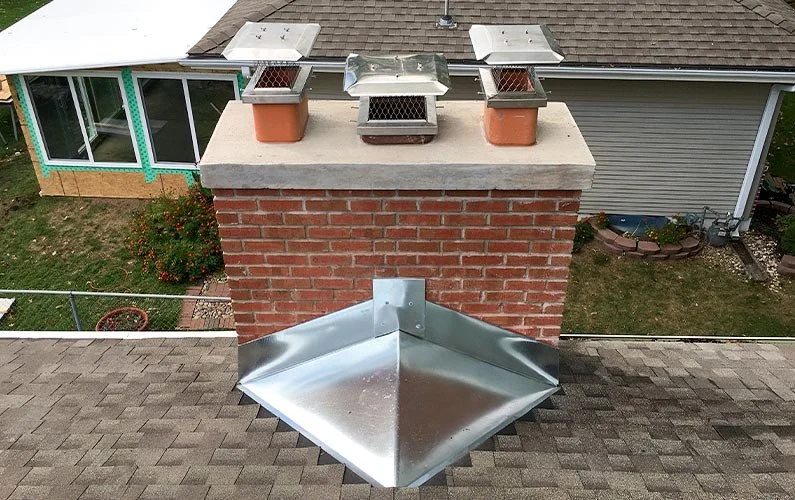
- What is a Roofing Cricket?
- Why Do You Need a Roofing Cricket for a Chimney?
- Step-by-Step Guide to Framing a Roofing Cricket
- Best Practices for Roofing Cricket Design
- Common Issues and Solutions
- Conclusion
What is a Roofing Cricket?
A roofing cricket is a small, sloped structure installed behind a chimney or any other roof obstruction. It helps divert water around the obstruction, ensuring proper drainage and preventing water from accumulating and potentially leaking into the roof. Crickets are often essential in preventing water damage, especially in areas with heavy rainfall or snow.

JK Contractors / jk roofing
West BendOzaukee CountyWisconsin
3058 County Rd Y, West Bend, WI 53095, USA
Why Do You Need a Roofing Cricket for a Chimney?
Chimneys are one of the most common areas where water issues arise on a roof. Without a proper roofing cricket, water can pool around the base of the chimney, increasing the risk of leaks. This is particularly important for large chimneys that might obstruct water flow. A well-constructed cricket directs water away from the chimney, helping to maintain the integrity of the roof and prevent expensive water damage.

Gunner Roofing / gunner roofing
CromwellLower Connecticut River Valley Planning RegionConnecticut
700 Corporate Row, Cromwell, CT 06416, USA
Step-by-Step Guide to Framing a Roofing Cricket
1. Plan Your Design
Before you start framing your roofing cricket, it’s important to plan the design. The cricket should be sloped to ensure that water flows properly. Measure the size of the chimney and calculate the pitch of the roof to determine the angle of the cricket. Typically, the slope should match the roof's angle or be steeper for efficient water flow.
2. Cut and Prepare the Lumber
Next, you’ll need to cut the framing lumber to the correct dimensions. The main components include the ridge beam (the highest point), rafters (angled pieces that support the slope), and the decking material that will form the surface of the cricket. Ensure the cuts are precise to prevent any gaps that could lead to leaks.
3. Build the Structure
Begin by installing the ridge beam at the highest point where the water will be diverted. Then, attach the rafters at the appropriate angle to form the slope of the cricket. Make sure the rafters are securely fastened and evenly spaced. Once the framework is in place, add the decking to complete the structure.
4. Install Waterproofing Materials
After the cricket structure is in place, it’s important to add waterproofing materials. This could include roofing felt, underlayment, or a metal flashing to ensure that water doesn’t penetrate the cricket and cause leaks. Proper sealing around the chimney and cricket is essential for longevity.
5. Finish with Shingles
Finally, cover the cricket with shingles or another roofing material that matches the rest of the roof. This ensures a uniform look and further protects the area from water damage. Pay close attention to the areas where the shingles meet the cricket to avoid any gaps or potential leaks.
Best Practices for Roofing Cricket Design
When designing and framing a roofing cricket, there are several best practices to keep in mind:
- Proper slope: The slope should be steep enough to ensure water runs off efficiently. Typically, a slope of at least 4:12 is recommended.
- Waterproofing: Ensure proper waterproofing and flashing around the cricket and chimney to prevent leaks.
- Use of quality materials: High-quality, durable materials will ensure the cricket performs well over time and stands up to the elements.
Common Issues and Solutions
Even with proper planning, issues can still arise with roofing crickets. Some common problems include:
- Improper slope: If the slope is too shallow, water may not drain properly. The solution is to adjust the angle or rebuild the cricket.
- Leaks: Leaks can occur if the flashing or waterproofing is not installed correctly. Regular maintenance and inspections can help catch these issues early.
Conclusion
Building and framing a roofing cricket for a large chimney is an essential part of maintaining a well-functioning roof. With the right design, materials, and installation, you can prevent water damage and ensure your roof performs its best. If you're looking for high-quality roofing materials or expert assistance, visit Pro Found Roofing for the best products and services available.

 Weather Shield Roofing Services llc5.0 (4 reviews)
 Right Way Roof0.0 (0 reviews)
 Allstate Roofing4.0 (8 reviews)
 Alpha Roofing and Construction, LLC4.0 (80 reviews)
 New Village Roofing4.0 (19 reviews)
 The Roof Father5.0 (3 reviews)
 How to Prevent Roof Damage from Clogged Gutters and Downspouts
 The Truth About Roofing Warranties: What’s Actually Covered
 The Process of Installing a Slate Roof: The Gold Standard in Roofing Longevity
 How Roofing Affects Home Resale Value – Expert Insights
 The Best Time to Replace Your Roof: Spring and Fall Weather Windows
 The Average Cost of a Roof Replacement with CertainTeed Landmark PRO Shingles