Pro Found Roofing
Pro Found RoofingRoofing Tips & InsightsRoofing Companies Near Me
ArkansasCaliforniaColoradoConnecticutDelawareDistrict of ColumbiaFloridaGeorgiaIllinoisIndianaIowaKansasKentuckyLouisianaMaineMarylandMassachusettsMichiganMinnesotaMissouriNebraskaNevadaNew HampshireNew JerseyNew YorkNorth CarolinaOhioOregonPennsylvaniaRhode IslandSouth CarolinaTennesseeTexasVermontVirginiaWashingtonWest VirginiaWisconsin
Pro Found RoofingRoofing Tips & Insights

What is a Roof Valley and Why is it So Prone to Leaks? Repair and Maintenance Tips

What is a Roof Valley and Why is it So Prone to Leaks? Repair and Maintenance Tips

1-Understanding Roof Valleys

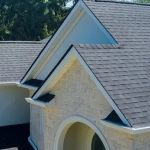
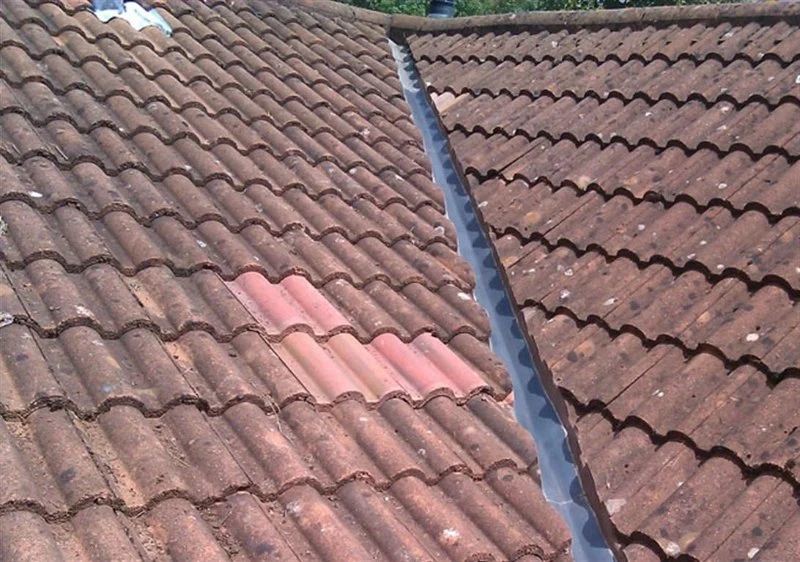
A roof valley is the area where two roof slopes meet, creating a V-shape. This junction is often the most vulnerable part of a roof because it channels water from both slopes into a single path, which can lead to an accumulation of moisture. Roof valleys are essential in directing water away from the roof, but when improperly designed or maintained, they can become a hotspot for leaks.Roof valleys are typically covered with materials like metal, shingles, or tiles, depending on the type of roofing system. The materials used can play a significant role in the valley’s ability to withstand the elements and prevent leaks.

2-Why Roof Valleys are Prone to Leaks

Roof valleys are particularly susceptible to leaks due to the high amount of water they direct. Here are the main reasons why these areas are prone to issues:Water Accumulation: The valley collects water from the two adjacent slopes, which increases the risk of water pooling. Over time, this pooled water can seep into the roof structure, leading to leaks.Damaged Flashing: Flashing is used to seal the joints in the valley and prevent water from entering. If the flashing is damaged, corroded, or improperly installed, it can allow water to infiltrate the roof, causing leaks.Clogging with Debris: Debris such as leaves, twigs, or moss can accumulate in the valley and block the water flow. When this happens, water can back up and infiltrate the roof, creating leaks.Wear and Tear of Materials: Roof valley materials such as metal or shingles can wear down over time due to exposure to the elements. Once the material becomes compromised, it can no longer provide a proper seal, leading to leaks.Improper Installation: A poorly installed roof valley can result in incorrect water flow, causing pooling and leaks. Ensuring that valleys are installed correctly during construction is key to preventing future issues.

3-How to Repair a Leaking Roof Valley

Repairing a leaking roof valley requires identifying the source of the leak and addressing it. Follow these steps for effective roof valley repair:Inspect the Roof Valley: Start by thoroughly inspecting the valley area to determine where the leak is coming from. Look for damaged flashing, missing shingles, or any signs of water damage.Remove Debris: If there is debris obstructing the water flow in the valley, remove it carefully. Use a rake or blower to clear leaves, twigs, and other debris. This will allow the water to flow freely.Replace Damaged Flashing or Shingles: If the flashing is damaged or the shingles in the valley are compromised, they should be replaced. Make sure the new flashing is properly installed and that shingles or tiles are laid in a way that prevents water from seeping in.Seal Gaps: If you find any small gaps in the flashing or along the seams of the valley, use roofing sealant to close them. Be sure to apply the sealant evenly and allow it to cure before exposing it to rain.Test the Repair: After completing the repair, test the valley by running water over it with a hose to ensure that the repair has successfully stopped the leak.

4-Tips for Maintaining Your Roof Valley

Proper maintenance of your roof valley is crucial to prevent leaks and prolong the life of your roof. Here are some tips to keep your roof valley in good condition:Regular Cleaning: Regularly remove debris from the valley to ensure that water can flow freely. This is especially important during the fall when leaves tend to accumulate. Cleaning the valley twice a year is recommended.Check for Wear and Tear: Inspect the roof valley at least once a year for signs of wear. Look for rust on metal flashing, cracks in shingles, or any other visible damage that might lead to a leak.Ensure Proper Water Flow: Ensure that the valley is directing water efficiently into the gutter system. If water is pooling in the valley, it could be a sign that the slope is uneven or the flashing is not properly installed.Trim Overhanging Trees: Trim any overhanging branches near the roof to reduce the risk of debris buildup in the valley. Limbs that rub against the roof can also cause damage to shingles and flashing.

5-Preventing Future Roof Valley Leaks

To avoid future leaks in your roof valley, consider these preventative measures:Use High-Quality Materials: When installing or replacing roof valleys, choose high-quality materials such as durable metal flashing and water-resistant shingles. These materials are more likely to withstand the elements and prevent leaks.Upgrade to a Seamless Valley System: Some homeowners opt for a seamless valley system, where a continuous metal sheet is used instead of individual shingles or tiles. This system is less prone to leaks because it has fewer seams for water to penetrate.Schedule Regular Inspections: Have your roof inspected by a professional at least once every three years. Regular inspections can identify minor issues before they become major problems, saving you from costly repairs down the road.Ensure Proper Ventilation: Proper ventilation is essential for the overall health of your roof. A well-ventilated roof helps to prevent the buildup of moisture, which can cause damage to both the roof and the valley.By taking these steps to maintain and repair your roof valley, you can protect your home from the damage caused by leaks and ensure that your roof remains in good condition for years to come.For professional roof inspections and repairs, visit Pro Found Roofing to get expert help with your roofing needs.

Popular Blog Posts

Categories

Top Visited Sites

Top Roofing Companies Searches

Trending Roofing Tips & Insights Posts