
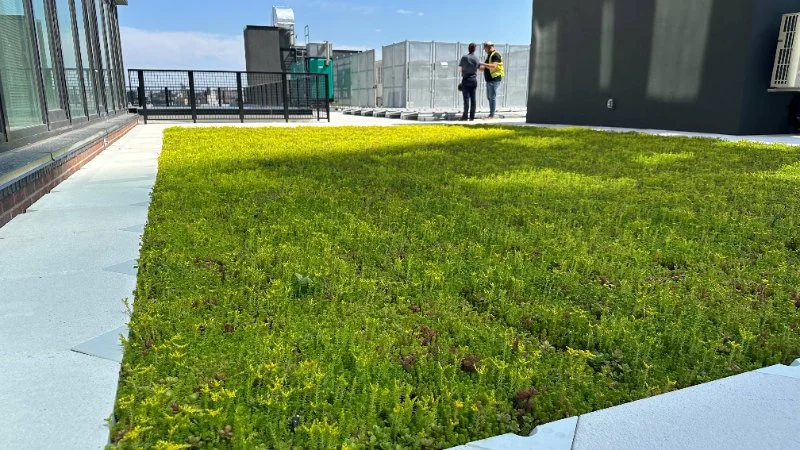
The Process of Installing a Green Roof: Layers, Plants, and Maintenance
Green roofs are a sustainable and eco-friendly way to improve the energy efficiency and appearance of your building. As more people turn to green solutions for their homes and businesses, green roofs have gained popularity for their ability to reduce stormwater runoff, improve air quality, and create natural habitats. If you are considering installing a green roof, understanding the process—from the layers involved to the plant selection and maintenance—is essential for success. In this guide, we’ll walk you through the steps of installing a green roof and share tips on how to maintain it over time.

SB Pro Roofing / sb pro roofing
Pinellas ParkPinellas CountyFlorida
6358 49th St N, Pinellas Park, FL 33781, USA
1. Understanding Green Roof Essentials
A green roof is essentially a rooftop garden that covers your building with vegetation. However, installing one is not as simple as placing some plants on top of your house. A green roof consists of several layers, each designed to perform a specific function. Let’s take a look at the key components:
Victors Home Solutions / victors roofing
2722 E Michigan Ave suite 239, Lansing, MI 48912, USA
1.1 Waterproofing Membrane
The first layer in a green roof system is a waterproof membrane. This layer ensures that water does not seep into the building structure and cause damage. It is a critical part of protecting the integrity of the roof and the building below.
1.2 Root Barrier
Above the waterproofing layer, a root barrier is installed. This layer prevents plant roots from penetrating the waterproof membrane and causing damage over time. It is especially important for buildings with roofs that are not specifically designed to support green roofs.
1.3 Drainage Layer
Green roofs must have a proper drainage system to prevent water from pooling. The drainage layer allows excess water to flow off the roof, preventing damage and ensuring healthy plant growth. This layer typically includes a mix of lightweight aggregates or drainage mats that allow for effective water flow.
1.4 Growing Medium
The growing medium, or soil layer, is where the plants will root and grow. It is typically made from a blend of lightweight materials, such as expanded shale, clay, or other organic materials, to ensure good drainage while providing enough nutrients for the plants. The depth of this layer can vary depending on the type of plants you choose.
1.5 Vegetation Layer
Finally, the vegetation layer is the most visible part of a green roof. It’s the layer of plants that covers the entire rooftop. Choosing the right plants for your green roof is essential, as different plants have different water and light requirements.
2. Choosing the Right Plants for Your Green Roof
Plants are a crucial part of any green roof. The right selection will ensure that your roof thrives, requires minimal maintenance, and can withstand various weather conditions. Here are some factors to consider when choosing plants for your green roof:
2.1 Climate
One of the most important factors to consider when selecting plants is your local climate. Choose plants that are suited to your area’s temperature, rainfall, and humidity. For example, in dry climates, you may want to choose drought-resistant plants like sedums or succulents. In cooler, wetter climates, mosses and grasses may be more appropriate.
2.2 Plant Varieties
Common plants used in green roofs include low-growing sedums, grasses, mosses, and wildflowers. These plants are well-suited for the shallow soil and harsh rooftop conditions. For larger roofs, you can consider adding small shrubs or even small trees if the roof can support the extra weight.
2.3 Maintenance Needs
It’s important to select plants that require minimal maintenance. Drought-resistant plants are often the best choice because they need less water and care. Additionally, consider plants that are native to your region, as they are often more resilient and easier to maintain in local conditions.
3. Maintenance Tips for Your Green Roof
Once your green roof is installed, ongoing maintenance is essential to ensure it remains healthy and functional. Regular care will help prevent issues like waterlogging, pest infestations, and plant diseases. Here are some maintenance tips:
3.1 Regular Inspection
Inspect your green roof regularly, especially after storms or extreme weather events. Look for signs of water pooling, damaged plants, or any areas where the roof may be leaking. Early detection of problems can prevent more extensive damage later on.
3.2 Irrigation
While many green roofs are designed to be self-sustaining, some may require supplemental irrigation during dry periods. Ensure that your roof has an irrigation system in place, or be prepared to water your plants manually as needed. Overwatering should be avoided to prevent root rot.
3.3 Pruning
Prune plants regularly to prevent overgrowth and to maintain the aesthetic appearance of the roof. Trimming dead or damaged foliage will also help improve air circulation and light penetration, promoting healthy growth.
4. The Benefits of Green Roofs
Green roofs offer a wide range of environmental and economic benefits. Here are a few key advantages:
4.1 Energy Efficiency
Green roofs help regulate indoor temperatures by providing natural insulation. In hot weather, they reduce heat absorption, and in cold weather, they help keep the building warmer. This can lead to lower energy bills and improved comfort indoors.
4.2 Reduced Stormwater Runoff
Green roofs absorb rainwater, which helps reduce stormwater runoff. This is especially beneficial in urban areas where water runoff can cause flooding and strain drainage systems.
4.3 Improved Air Quality
Plants on green roofs help purify the air by absorbing pollutants and releasing oxygen. This can contribute to better air quality in densely populated areas.
5. How Pro Found Roofing Can Help
At Pro Found Roofing, we specialize in sustainable roofing solutions, including the installation of green roofs. Whether you're looking to reduce your carbon footprint or create a beautiful rooftop garden, our team has the expertise to make your green roof project a success. Visit us today to learn more about how a green roof can benefit your building.
 Power Roofing & Siding5.0 (32 reviews)
 United Home Experts4.0 (63 reviews)
 ROOF Management4.0 (24 reviews)
 Peak Performance Roofing LLC5.0 (67 reviews)
 Construction Pro HQ, LLC5.0 (20 reviews)
 Hackensack Roofing Co., Inc2.0 (51 reviews)
 How Attic Ventilation Impacts the Health of Your Roof
 Preventing Wind Damage: How to Ensure Your Shingles Are Properly Secured | Pro Found Roofing
 How to Tell If Your Roof Was Installed Properly | Pro Found Roofing
 The True Cost of a Slate Roof: Installation, Maintenance, and Lifespan
 The Best Time of Year to Replace or Repair Your Roof - Tips for Homeowners
 How to Spot and Repair Damage to Roof Vents and Vent Flashing