- 1. What is a Roofing Nail?
- 2. Why Roofing Nails Are Different from Other Nails
- 3. Importance of Stainless Steel and Galvanized Nails
- 4. Choosing the Right Nail for Your Roof
- 5. How to Install Roofing Nails
- 6. Why Choose Pro Found Roofing
1. What is a Roofing Nail?
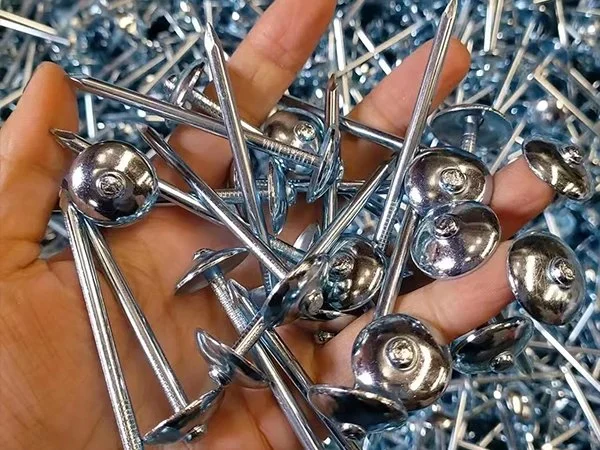
A roofing nail is a specialized type of nail designed specifically for securing roofing materials, such as shingles, underlayment, or tiles, to a roof deck. Roofing nails are characterized by their larger, wider heads that help to distribute pressure over a larger surface area, reducing the risk of tearing or damage to the roofing material. These nails are typically made of durable materials and are available in different coatings to enhance their resistance to the elements.
Unlike standard nails, roofing nails are designed to withstand extreme weather conditions, including rain, wind, and exposure to the sun. The right roofing nail can play a key role in maintaining the structural integrity of your roof for many years.

Rapid Response Roofing / rapid response roofing
East GreenvilleMontgomery CountyPennsylvania
408 State St, East Greenville, PA 18041, USA
2. Why Roofing Nails Are Different from Other Nails
Roofing nails are distinct from regular nails due to their unique design and function. Here are a few reasons why roofing nails stand out:
- Head Size: Roofing nails have a larger, flatter head that helps to hold roofing materials in place more securely than standard nails, which usually have smaller heads.
- Material Strength: Roofing nails are made from materials that are resistant to rust and corrosion, essential for withstanding the harsh conditions of a roof.
- Sharp Tip: The sharp tip of roofing nails allows for easy penetration into roofing materials and underlying decking, ensuring a tight hold.
- Length: Roofing nails are typically longer than standard nails to ensure they penetrate deep enough into the roofing material and decking to hold the roof securely in place.
3. Importance of Stainless Steel and Galvanized Nails
When it comes to roofing nails, stainless steel and galvanized nails are often considered the gold standard. Here’s why:
- Rust Resistance: Stainless steel and galvanized nails are both highly resistant to rust and corrosion, which is crucial for roofing nails as they are constantly exposed to the elements. Rust can weaken nails, leading to premature failure and potential damage to the roof structure.
- Durability: Both stainless steel and galvanized nails are known for their long-lasting durability. They maintain their strength and integrity over time, providing a secure hold that lasts for many years, even in harsh weather conditions.
- Cost-Effectiveness: Galvanized nails, which are coated with a layer of zinc, are a more affordable option than stainless steel nails. However, both types offer superior performance compared to regular steel nails, which can rust quickly and compromise the roof's durability.
- Corrosion Resistance in Coastal Areas: In areas with high humidity or salty air, such as coastal regions, stainless steel nails are often the best choice as they provide the ultimate protection against corrosion.
4. Choosing the Right Nail for Your Roof
Choosing the right roofing nail is essential for ensuring the longevity and safety of your roof. Consider the following factors when selecting roofing nails for your project:
- Material: Stainless steel nails are ideal for areas that experience harsh weather, while galvanized nails are a cost-effective alternative that offers good corrosion resistance.
- Roofing Material: The type of roofing material you're using will influence the choice of nails. Asphalt shingles, metal roofing, and tiles all have specific requirements for nail length and type.
- Climate: In wet or coastal climates, choose nails with a higher level of corrosion resistance, such as stainless steel or hot-dipped galvanized nails.
- Length and Gauge: Ensure the nails are long enough to penetrate both the roofing material and the deck. The thickness of the roofing material should also guide your choice of nail gauge.
5. How to Install Roofing Nails
Proper installation of roofing nails is essential to ensure a secure and durable roof. Here are some general steps to follow when installing roofing nails:
- Place the Roofing Material: Lay your roofing material (such as shingles) in place, making sure it is aligned properly with the roof structure.
- Position the Nails: Place the nails approximately 6 to 8 inches apart, starting at the bottom edge of the roofing material. Make sure each nail is driven straight into the material.
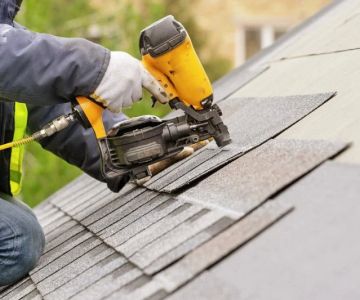
- Drive the Nails: Using a hammer or pneumatic nail gun, drive the nails into the roofing material and decking, ensuring the nail heads sit flat against the surface.
- Check for Overdriven Nails: Avoid overdriving the nails, as this can cause damage to the roofing material and weaken the hold. The nail head should sit just flush with the material’s surface.
6. Why Choose Pro Found Roofing
If you're looking for quality roofing materials and professional advice on the best nails for your roofing project, look no further than Pro Found Roofing. Our selection of high-quality roofing nails, including stainless steel and galvanized options, ensures your roof is secure, durable, and able to withstand the elements for years to come. Whether you're replacing your roof or installing a new one, we have the products and expertise to help you get the job done right.
Visit Pro Found Roofing today to explore our full range of roofing products and get the support you need for your next project.

 Houston Commercial Roofing and Construction4.0 (19 reviews)
 Miller's Quality Roof Designs5.0 (3 reviews)
 Meschke Construction, Inc4.0 (24 reviews)
 Enhanced Roofing0.0 (0 reviews)
 Desired Roofing improvements4.0 (6 reviews)
 Diamond Roof Cleaning Co0.0 (0 reviews)
 The Advantages of a Standing Seam Metal Roof for Solar Panel Installation
 The Pros and Cons of a Shed Roof Design for Additions and Modern Homes
 Best Roofing Brands of 2026: Reliable, Durable, and Affordable
 Signs Your Roof Was Installed Incorrectly and How to Address the Problem
 How to Prevent Roof Damage from a Wildfire with Ember-Resistant Materials
 The Average Cost of a Roof Replacement with CertainTeed Landmark PRO Shingles