- 1. What is a Shed Roof?
- 2. The Pros of a Shed Roof Design
- 3. The Cons of a Shed Roof Design
- 4. Shed Roof for Additions and Modern Homes
- 5. Real-Life Examples of Shed Roofs in Modern Homes
- 6. How to Install a Shed Roof for Your Home
1. What is a Shed Roof?
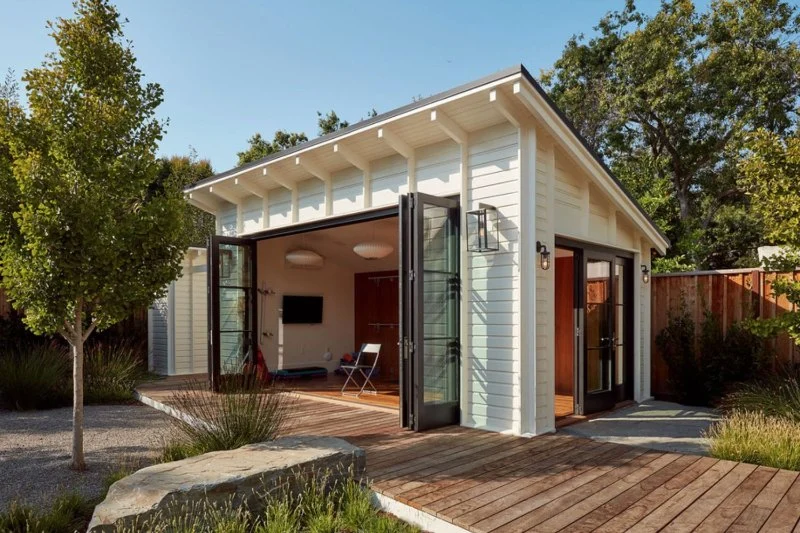
A shed roof is a single-pitched roof that slopes in one direction, creating a sleek and modern appearance. This type of roof is often used in modern architecture and home additions due to its minimalist design and the ease with which it can be adapted to different building shapes. Unlike traditional roofs with multiple slopes, a shed roof is simple and offers an open, airy feel to interior spaces.
The shed roof is typically associated with contemporary and industrial style homes, but it can also be used in more traditional settings for various architectural effects. Its sloping design makes it a great choice for homes that need extra headroom or for those looking to create unique, stylish spaces like open-plan living areas, studios, or home additions.
Lance Roofing & Siding Inc. / lance roofing and siding
6903 Dayton Springfield Rd, Enon, OH 45323, USA
2. The Pros of a Shed Roof Design
The shed roof design comes with a range of advantages that can make it an appealing option for home additions or new builds. Below are some key benefits of choosing a shed roof for your home:

JK Contractors / jk roofing
West BendOzaukee CountyWisconsin
3058 County Rd Y, West Bend, WI 53095, USA
2.1. Modern Aesthetic Appeal
A shed roof design offers a sleek, modern, and minimalist aesthetic. Its clean lines and simple slope make it a perfect fit for contemporary home designs. For homeowners looking to build a modern addition or transform an existing space, the shed roof provides a fresh, stylish look that complements other modern architectural elements.
2.2. Cost-Effective Construction
Because a shed roof is simpler to build than traditional multi-sloped roofs, it can be a more cost-effective option. The single-pitch design requires fewer materials and less labor to install, which can save both time and money. Additionally, the design is straightforward, which often leads to quicker construction timelines.
2.3. Increased Natural Light
The shed roof design allows for large windows or skylights to be integrated into the roofline, which can flood the interior with natural light. This feature is particularly beneficial for home additions, where maximizing natural light can create a bright and inviting space. For homes with a shed roof, the design allows for higher ceilings and expansive windows, making the indoor environment feel open and airy.
2.4. Enhanced Energy Efficiency
In homes where energy efficiency is a priority, a shed roof can help improve performance. The roof’s slope allows for easier installation of solar panels, which can be aligned to maximize sun exposure. Additionally, the design can help with passive heating and cooling, reducing the need for artificial temperature control by harnessing natural elements like sunlight and wind flow.
3. The Cons of a Shed Roof Design
While the shed roof design offers several benefits, there are also some drawbacks to consider. Understanding these potential downsides can help homeowners make an informed decision about whether a shed roof is right for their needs:
3.1. Limited Space for Traditional Attics
One significant disadvantage of a shed roof is the limited space for a traditional attic. Since the roof slopes in one direction, the higher end of the roof may not allow for much storage or headspace. This can be an issue for homeowners who need additional storage space in their home or who prefer a more conventional attic area.
3.2. Potential for Water Drainage Issues
Depending on the angle and pitch of the shed roof, water drainage could become a concern. If the slope is too shallow, water may not flow off the roof efficiently, potentially leading to leaks or water pooling in certain areas. Regular maintenance, including clearing gutters and ensuring proper drainage systems, is essential to prevent water-related issues.
3.3. Lack of Traditional Roof Appeal
Although the modern aesthetic of a shed roof is appealing to many, it may not fit with every style of home. For some homeowners, the clean, minimalist lines of a shed roof may feel too stark or out of place in more traditional or historic neighborhoods. The lack of symmetry in the roofline may not appeal to those who prefer the classic look of gabled or hipped roofs.
3.4. Insulation and Ventilation Concerns
Depending on the design, a shed roof can sometimes pose insulation and ventilation challenges. The sloping roof may limit the effectiveness of standard insulation systems, requiring more complex solutions to ensure energy efficiency. Additionally, it’s important to address proper ventilation to prevent issues with heat buildup in warmer months or condensation in cooler months.
4. Shed Roof for Additions and Modern Homes
The shed roof is a popular choice for home additions, as it can easily be integrated into existing structures to create a sleek and modern look. When adding a new room, garage, or studio to a home, a shed roof can seamlessly blend with the existing architecture while adding contemporary appeal.
For modern homes, a shed roof complements open-plan living spaces, especially when combined with high ceilings and large windows. The design works well for homes with a minimalist approach, where simplicity and functionality are prioritized over ornate detailing. Whether used for a new construction or a home addition, a shed roof can help create a dynamic, modern atmosphere.
5. Real-Life Examples of Shed Roofs in Modern Homes
To better illustrate how a shed roof can enhance a home, let’s look at a few real-life examples:
- Case 1: In a modern urban home in California, a shed roof was used for a garage addition, providing both sleek aesthetics and enhanced natural lighting. The addition blends effortlessly with the original home, offering a functional and stylish solution for the growing family.
- Case 2: A couple in Oregon used a shed roof design for a new studio space in their backyard. The angled roof allowed them to incorporate large skylights, which flood the room with natural light, creating a productive and inspiring space for their work.
- Case 3: In a suburban neighborhood, a family opted for a shed roof for their home expansion. Despite concerns about fitting the modern design with the surrounding traditional homes, the result was a unique and eye-catching space that added value to the property and improved functionality.
6. How to Install a Shed Roof for Your Home
Installing a shed roof requires careful planning and attention to detail. Here’s a general overview of the installation process:
- Step 1: Design and Planning: Determine the desired pitch of the roof and how it will integrate with the existing structure. A professional architect or contractor can help with this step.
- Step 2: Prepare the Frame: Construct the supporting frame for the roof, ensuring it is structurally sound and can bear the weight of the roof materials.
- Step 3: Install Roofing Material: Once the frame is in place, install the roofing material of your choice, such as metal panels, shingles, or rubber roofing, ensuring it is properly sealed for water resistance.
- Step 4: Finish with Gutters and Drainage: Properly install gutters and ensure water is directed away from the roof to prevent drainage issues.


 American Roofing Contractors5.0 (1 reviews)
 New Century Construction Inc3.0 (2 reviews)
 Affordable Roofing / Gutters5.0 (25 reviews)
 Arellanos JNP5.0 (1 reviews)
 State Wide Contracting LLC5.0 (7 reviews)
 Paramount Home Restorations4.0 (31 reviews)
 Choosing the Right Roof Color: How It Affects Your Home's Energy Efficiency and Curb Appeal
 Installing a Skylight on an Existing Roof: Challenges, Costs, and Leak Prevention
 The Impact of Air Pollution on Your Roof's Color and Material Degradation
 How to Finance a New Roof Without Breaking the Bank – Complete U.S. Guide
 How to Choose the Right Gutter System to Protect Your Roof and Foundation
 How to Choose the Best Roof Color for a House with Many Windows