
- Understanding-Roof-Flashing
- Why-Roof-Flashing-Replacement-Is-Important
- Average-Cost-to-Replace-Roof-Flashing
- Factors-Affecting-Roof-Flashing-Replacement-Cost
- Choosing-the-Right-Roof-Flashing-Material
- How-to-Find-a-Reliable-Roofing-Contractor
- Real-Life-Roof-Flashing-Replacement-Story
1. Understanding Roof Flashing
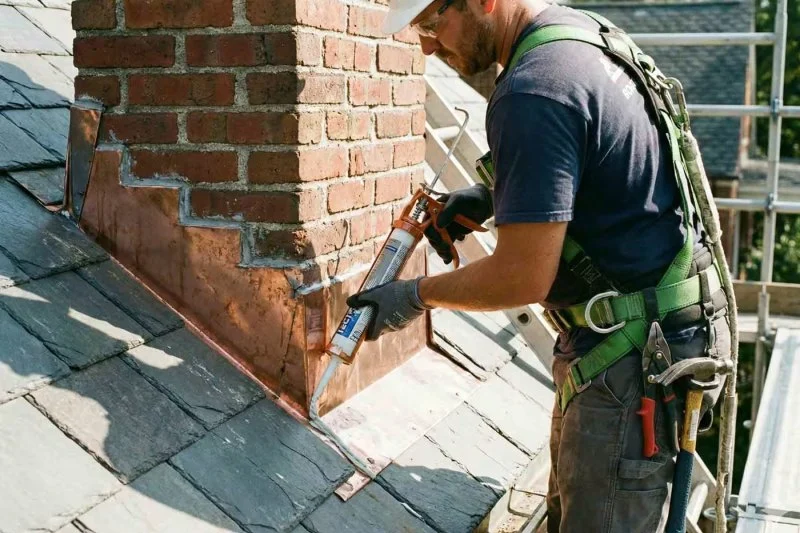
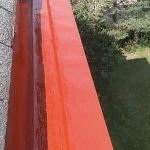
Roof flashing is a crucial component of a roofing system. It is typically made from metal and is installed around areas where the roof meets other structures, such as chimneys, vents, skylights, and valleys. Flashing prevents water from seeping into the roof and causing leaks or water damage to the interior of the home.

SB Pro Roofing / sb pro roofing
Pinellas ParkPinellas CountyFlorida
6358 49th St N, Pinellas Park, FL 33781, USA
1.1 Why Roof Flashing Is Essential
Flashing is essential because it acts as a barrier to direct water flow away from seams and joints in the roofing material. Without proper flashing, water can easily penetrate these vulnerable areas, leading to roof rot, mold, and costly repairs.
Victors Home Solutions / victors roofing
2722 E Michigan Ave suite 239, Lansing, MI 48912, USA
1.2 Common Types of Roof Flashing
There are several types of flashing used for different parts of a roof, including step flashing, continuous flashing, and chimney flashing. Each type is designed to seal specific parts of the roof, ensuring the system works together to prevent water intrusion.
2. Why Roof Flashing Replacement Is Important
Roof flashing can wear out over time due to exposure to harsh weather, UV rays, and general wear and tear. When flashing becomes damaged or ineffective, water can seep into the roof structure, potentially leading to major issues, including leaks, mold growth, and structural damage.
2.1 Signs That Flashing Needs to Be Replaced
Some common signs that your roof flashing may need replacement include:
- Visible cracks or holes in the flashing
- Water stains on the ceiling or walls
- Rust or corrosion around the flashing area
- Loose or bent flashing sections
Addressing flashing issues promptly can prevent more expensive repairs and damage to the roof structure.
3. Average Cost to Replace Roof Flashing
Replacing roof flashing is an important but often overlooked aspect of roof maintenance. The cost to replace roof flashing can vary depending on factors such as the size of the roof, the materials used, and the extent of damage. On average, homeowners can expect to pay between $300 and $600 for roof flashing replacement, including both materials and labor.
3.1 Labor and Materials Costs
Labor costs for roof flashing replacement typically range from $50 to $100 per hour, depending on the roofing contractor's experience and location. Materials, such as aluminum, copper, or galvanized steel, also contribute to the total cost. Copper flashing tends to be the most expensive, while aluminum is a more affordable option.
3.2 DIY vs. Professional Installation
While some homeowners may consider tackling roof flashing replacement themselves, it’s important to remember that proper installation requires knowledge of roofing systems and safety procedures. Professional contractors ensure that flashing is installed correctly, minimizing the risk of leaks and damage in the future.
4. Factors Affecting Roof Flashing Replacement Cost
Several factors can influence the cost of replacing roof flashing. Understanding these factors can help homeowners make informed decisions about their roofing projects.
4.1 Roof Size and Complexity
The size of the roof and the number of areas that require flashing installation can impact the cost. Larger roofs with more complex features, such as multiple chimneys or valleys, may require more materials and labor, increasing the overall cost.
4.2 Material Choice
As mentioned earlier, the type of material chosen for flashing will impact the cost. Copper flashing is highly durable and resistant to corrosion but is significantly more expensive than aluminum or galvanized steel.
4.3 Accessibility and Location
Roofs with steep slopes or difficult access points can increase labor costs, as these areas are harder to reach safely. Roofs located in remote or hard-to-reach areas may also have higher transportation costs for materials.
5. Choosing the Right Roof Flashing Material
When replacing roof flashing, selecting the right material is crucial for long-term performance. Each material has its pros and cons, and the best choice depends on factors such as budget, durability, and aesthetics.
5.1 Aluminum Flashing
Aluminum is one of the most commonly used materials for roof flashing. It is lightweight, easy to work with, and cost-effective. However, it may not be as durable as other materials and can corrode over time if not properly maintained.
5.2 Copper Flashing
Copper is a premium choice for roof flashing due to its long lifespan and corrosion resistance. Copper flashing develops a patina over time, giving it a unique aesthetic appeal. However, copper is significantly more expensive than aluminum or steel.
5.3 Galvanized Steel Flashing
Galvanized steel is another durable option for roof flashing. It is coated with a layer of zinc to prevent rust and corrosion. Galvanized steel is a strong, affordable material that works well for most roofing systems.
6. How to Find a Reliable Roofing Contractor
Choosing the right contractor is essential to ensure that roof flashing replacement is done correctly and efficiently. Here are some tips for finding a reliable roofing contractor:
6.1 Research Local Roofing Contractors
Look for roofing contractors with good reviews and recommendations from previous customers. Websites like Angie's List, Yelp, and Google Reviews can provide valuable insights into the contractor’s reputation.
6.2 Ask for References and Insurance
Always ask contractors for references from past clients, and ensure they have the necessary insurance coverage. This protects you from potential liability in case of accidents or damage during the project.
6.3 Get Multiple Estimates
Obtain at least three estimates from different contractors. Compare the pricing, materials, and warranties to ensure you get the best value for your money.
7. Real-Life Roof Flashing Replacement Story
A homeowner in Florida recently shared their experience of roof flashing replacement after noticing water stains on their ceiling. The flashing around their chimney had deteriorated over time, causing leaks during heavy rainstorms.
After contacting a reliable roofing contractor, they opted for galvanized steel flashing as it was both durable and affordable. The total cost of the project came to $500, which included labor, materials, and a warranty for future repairs.
They were pleased with the outcome and appreciated the professional service and attention to detail provided by the contractor.
8. Professional Roofing Services
While replacing roof flashing is a manageable task for experienced DIYers, hiring a professional roofing service can ensure the job is done correctly the first time. Professional roofers have the tools, expertise, and experience to complete the replacement efficiently, saving homeowners time and potential issues down the road.
For high-quality roofing services, consider reaching out to reputable companies like Pro Found Roofing, where you can find trusted professionals to handle your roof flashing replacement and other roofing needs.

 HBT Construction LLC4.0 (10 reviews)
 MB Roofing and Construction Inc5.0 (3 reviews)
 Gonzalez Roofing INC4.0 (30 reviews)
 Pinnacle Home Improvements5.0 (60 reviews)
 Award Roofing And Repairs4.0 (23 reviews)
 Suretop Roofing4.0 (109 reviews)
 Can a Roof Be Repaired in Winter? What You Need to Know
 Re-Roofing vs. Full Roof Tear-Off: Which Is Best for Your Home?
 The Impact of Shade from Solar Panels on Moss Growth Underneath Them
 Do You Need a Permit for Roof Replacement? A State-by-State Guide
 Metal Roofs vs. Asphalt Shingles: Which Is Better for Your Home? | Pro Found Roofing
 The Benefits of a Stainless Steel Roof for Its Resistance to Corrosion