
- understanding-roof-replacement-options
- what-is-partial-roof-replacement
- what-is-full-roof-replacement
- cost-comparison-analysis
- long-term-value-considerations
- real-homeowner-case-study
- how-to-decide-the-best-option
- where-to-find-professional-roofing-help
1. Understanding Roof Replacement Options
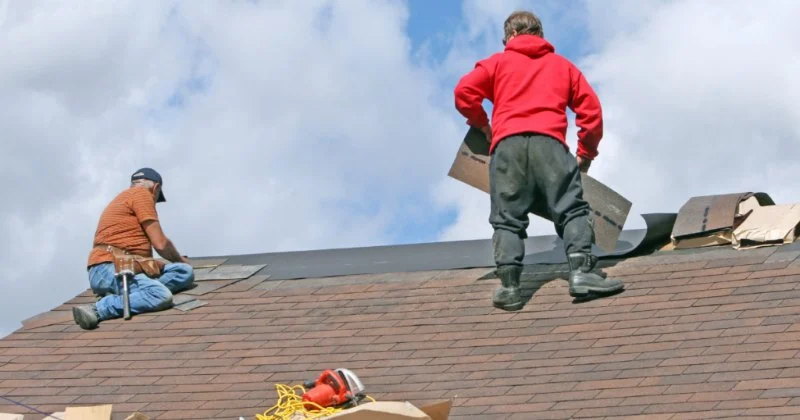
When homeowners start researching roof repairs, one of the most common questions that comes up is: Partial Roof Replacement vs Full Replacement: Which Saves More? It sounds simple, but the answer depends on several factors including the age of your roof, the extent of damage, and how long you plan to stay in your home.
Many people assume that fixing only the damaged section is always the cheaper route. In the short term, that can be true. But roofing decisions often involve long-term considerations such as durability, energy efficiency, and potential resale value. Understanding the difference between partial replacement and a full roof replacement is the first step toward making a financially smart decision.
Absolute Roofing / absolute roofing
TimoniumBaltimore CountyMaryland
22 W Padonia Rd # B229, Timonium, MD 21093, USA
1.1 Why Roofing Decisions Matter
Your roof protects everything inside your home—from insulation and drywall to furniture and electronics. A poorly planned repair can lead to recurring leaks, structural issues, and higher repair costs down the road. That’s why roofing professionals always recommend evaluating both immediate costs and long-term savings.

SB Pro Roofing / sb pro roofing
Pinellas ParkPinellas CountyFlorida
6358 49th St N, Pinellas Park, FL 33781, USA
2. What Is Partial Roof Replacement?
2.1 Definition and Typical Situations
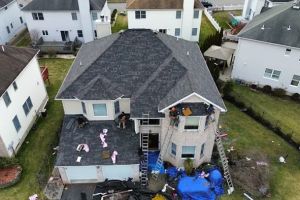
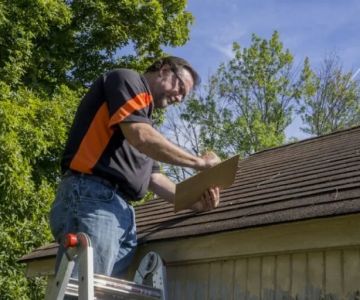
A partial roof replacement means replacing only a specific damaged section of the roof rather than the entire surface. This is usually done when damage is isolated, such as after a storm or when a single area develops a leak.
For example, if a tree branch damages one slope of your roof while the rest remains in good condition, replacing only that section can be a practical solution.
2.2 Advantages of Partial Replacement
One of the biggest advantages is the immediate cost savings. Since fewer materials and less labor are required, homeowners often pay significantly less compared to a full roof replacement.
Another benefit is faster installation. In many cases, a partial roof replacement can be completed in a single day, minimizing disruption to daily life.
2.3 Potential Drawbacks
However, partial replacements come with certain challenges. Matching new shingles with older materials can be difficult, especially if the existing roof has faded over time. This can create noticeable color differences.
Additionally, the repaired section may last longer than the surrounding roof. This means you might still face another roofing project sooner than expected.
3. What Is Full Roof Replacement?
3.1 Complete System Renewal
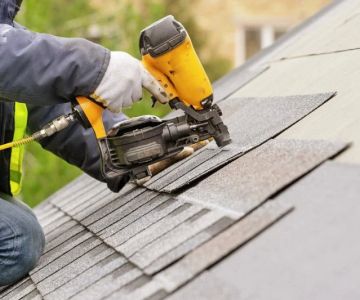
A full roof replacement involves removing all existing roofing materials and installing a completely new roofing system. This includes underlayment, shingles, flashing, and sometimes decking repairs if necessary.
While it requires a larger upfront investment, it essentially resets the lifespan of your roof.
3.2 Long-Term Benefits
One of the biggest advantages is consistency. A brand-new roof ensures uniform materials, color, and structural integrity. This can also improve curb appeal and potentially increase property value.
Another major benefit is durability. Modern roofing materials are designed to last 20–30 years or more, meaning homeowners can enjoy long-term protection without frequent repairs.
4. Cost Comparison Analysis
4.1 Short-Term Costs
Partial roof replacement is usually the cheaper option upfront. Homeowners might spend anywhere from a few hundred to a few thousand dollars depending on the size of the repair.
A full roof replacement, on the other hand, can range from several thousand dollars to significantly more depending on roof size, material, and labor costs.
4.2 Hidden Costs Over Time
However, repeated partial repairs can add up quickly. If your roof is already nearing the end of its lifespan, patching one section after another can eventually cost more than replacing the entire roof at once.
4.3 Energy Efficiency and Maintenance
New roofing systems often include improved ventilation and modern materials that enhance energy efficiency. This can reduce heating and cooling costs, providing additional long-term savings.
5. Long-Term Value Considerations
5.1 Age of the Existing Roof
If your roof is less than 10 years old and damage is limited to a small area, partial replacement may be a logical choice. But if your roof is approaching 20 years or more, investing in a full replacement often makes more financial sense.
5.2 Home Resale Value
Real estate experts often note that buyers prefer homes with recently replaced roofs. A new roof can improve buyer confidence and reduce negotiation issues during the sale process.
5.3 Weather Risks
In regions prone to storms, hurricanes, or heavy snow, a complete replacement provides stronger protection compared to patch repairs.
6. Real Homeowner Case Study
A homeowner in Ohio faced a decision after a severe windstorm damaged part of their roof. Initially, they opted for a partial replacement to save money. The repair worked temporarily, but two years later another section began leaking due to aging shingles.
Eventually they decided to install a full replacement. While the upfront cost was higher, the homeowner later said they wished they had done it sooner because it eliminated recurring repairs and improved the home’s appearance significantly.
7. How to Decide the Best Option
7.1 Evaluate the Damage Carefully
The size and severity of damage are the biggest factors. If multiple areas are failing or the roof is aging, a full replacement is often the smarter long-term investment.
7.2 Consider Your Long-Term Plans
If you plan to sell your home in the near future, partial repairs may be enough. But if you intend to stay for many years, investing in a new roof can prevent ongoing problems.
7.3 Get a Professional Inspection
A professional inspection helps identify hidden issues that may not be visible from the ground. Roofing experts can determine whether structural components are still sound.
8. Where to Find Professional Roofing Help
Choosing between Partial Roof Replacement vs Full Replacement: Which Saves More? ultimately depends on your home’s condition and your long-term goals. If you want reliable advice, accurate inspections, and durable roofing solutions, professionals can make the decision much easier.
For expert guidance, homeowners can explore services and roofing recommendations from Pro Found Roofing. Their team provides professional assessments and helps homeowners determine whether a targeted repair or full replacement offers the best value.
If you're still unsure which option is right for your home, learning more about modern roofing materials and professional inspection services could help you make the most cost-effective choice.

 Shear Contractors and Son, LLC3.0 (11 reviews)
 Hidalgo Brothers llc4.0 (15 reviews)
 All Types Roofing LLC5.0 (1 reviews)
 Mammoth Roofing and Solar Of San Antonio4.0 (358 reviews)
 Eaton Exteriors Roofing and Construction5.0 (14 reviews)
 Ohio Quality Roofing and Siding5.0 (1 reviews)
 Understanding Roofing Crickets: How to Frame One for a Large Chimney
 Top 5 Roofing Materials Compared: Pros and Cons for Your Home
 How to Finance a New Roof Without Breaking the Bank in 2025
 How to Clean Your Roof Without Damaging the Shingles' Fire Rating
 How to Decide Whether to Repair or Replace Your Roof – Complete Guide
 How to Spot Early Signs of Roof Damage Before It’s Too Late