How to Choose Between TPO and PVC Roofing
- Understanding TPO Roofing
- Understanding PVC Roofing
- Pros and Cons of TPO Roofing
- Pros and Cons of PVC Roofing
- How to Choose Between TPO and PVC Roofing
- Real-Life Case: Choosing the Right Roofing
Understanding TPO Roofing
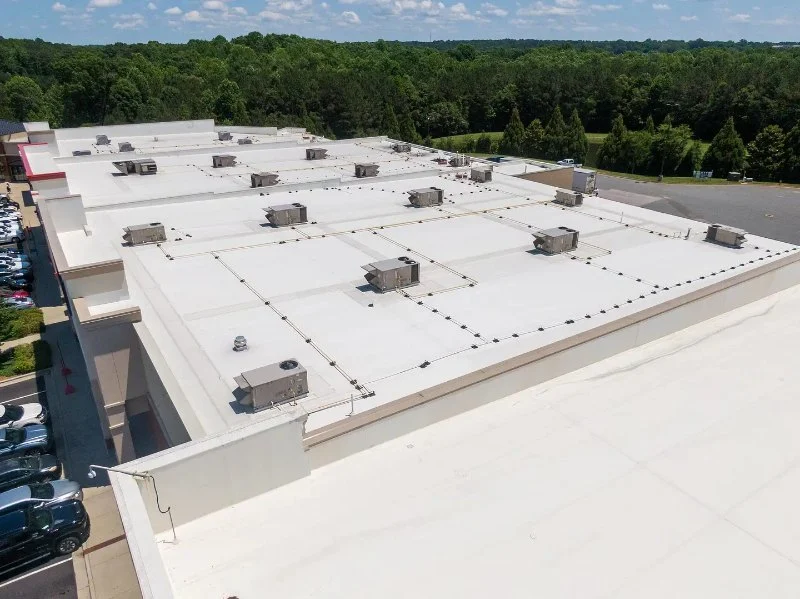
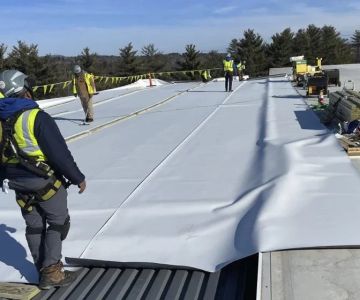
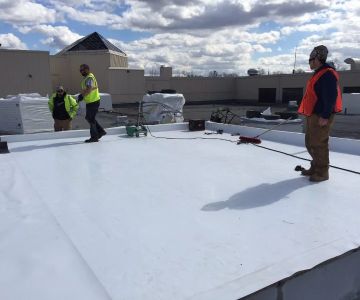
Thermoplastic Olefin (TPO) roofing is a single-ply membrane that has become increasingly popular in commercial roofing. TPO roofing is a durable, energy-efficient option, often used for flat or low-sloped roofs. It is made from a blend of rubber and plastic, offering resistance to ultraviolet (UV) rays, ozone, and weathering. TPO is known for its reflective properties, helping to reduce cooling costs in buildings.
Victors Home Solutions / victors roofing
2722 E Michigan Ave suite 239, Lansing, MI 48912, USA
Understanding PVC Roofing
Polyvinyl Chloride (PVC) roofing is another popular choice for commercial flat roofing. PVC membranes are highly durable, providing excellent resistance against weathering, chemicals, and extreme temperatures. PVC roofing is known for its superior performance in areas with high exposure to chemicals, such as restaurants and industrial buildings. It’s also a fire-resistant option, making it ideal for certain safety-conscious applications.

SB Pro Roofing / sb pro roofing
Pinellas ParkPinellas CountyFlorida
6358 49th St N, Pinellas Park, FL 33781, USA
Pros and Cons of TPO Roofing
Pros
- Cost-Effective: TPO roofing is one of the more affordable options compared to other single-ply roofing systems.
- Energy-Efficient: TPO’s reflective surface reduces the amount of heat absorbed by the building, leading to lower cooling costs.
- Environmentally Friendly: TPO membranes are recyclable, making it a sustainable roofing option.
Cons
- Long-Term Durability: While TPO is durable, it may not last as long as PVC in extreme weather conditions.
- Vulnerable to Punctures: TPO roofing can be more susceptible to punctures compared to PVC, especially under heavy traffic or harsh conditions.
Pros and Cons of PVC Roofing
Pros
- Durability: PVC roofing is extremely durable, offering long-term protection even in harsh weather conditions.
- Chemical Resistance: It is highly resistant to chemicals, making it ideal for environments where chemical exposure is a concern.
- Fire Resistance: PVC roofing is fire-resistant, which adds an extra layer of safety to the building.
Cons
- Cost: PVC roofing tends to be more expensive than TPO, which may not make it the best choice for budget-conscious projects.
- Installation Complexity: Installing PVC roofing can be more complex and require specialized labor, potentially increasing installation costs.
How to Choose Between TPO and PVC Roofing
Choosing the right roofing material depends on several factors, including budget, building location, and long-term performance needs. If you're looking for a cost-effective, energy-efficient solution for a commercial flat roof, TPO may be the best option. It offers a balance of affordability and performance, especially in regions with milder weather conditions.
On the other hand, if your building is exposed to harsh chemicals, extreme weather, or requires fire-resistant roofing, PVC is a better choice. While more expensive, PVC offers exceptional durability and resistance to various environmental factors.
Real-Life Case: Choosing the Right Roofing
Consider the example of a restaurant in Miami that needed to replace its roof. Given the high exposure to grease and chemicals from cooking, the business owner opted for PVC roofing. The material's resistance to both chemicals and high heat made it the perfect choice, ensuring long-lasting protection and peace of mind.
However, for a nearby office building that didn't face the same level of exposure, TPO roofing was chosen. The building's owners wanted to reduce cooling costs, and the reflective nature of TPO was a perfect solution for the warm Florida climate. TPO's affordability and energy efficiency made it the right choice for this property.
Conclusion
Both TPO and PVC roofing are excellent choices for commercial flat roofs, but the right material depends on your specific needs. If you want an energy-efficient, cost-effective solution, TPO is a solid choice. If durability, fire resistance, and chemical resistance are top priorities, then PVC may be worth the extra investment. To explore the best roofing options for your needs, visit Pro Found Roofing for expert advice and services tailored to your project.
 Reyes Contractors Corporation3.0 (3 reviews)
 Greene's Professional Roofing Services5.0 (31 reviews)
 New England Roofing4.0 (18 reviews)
 Bumble Roofing Denver South5.0 (45 reviews)
 American Eagle Home Improvement4.0 (141 reviews)
 Janney Roofing4.0 (124 reviews)
 The Best Time to Inspect Your Roof After a Major Wind or Hail Event
 How to Repair a Leaking Roof on a Bay Window with Complex Angles
 The Best Roof Styles for High Rainfall and Snowfall Areas
 How to Clean Your Roof Before Applying a Protective Coating or Sealant
 Metal Roofs vs. Asphalt Shingles: Which Is Better for Your Home? | Pro Found Roofing
 How to Choose a Roofing Contractor Who Offers a Strong Workmanship Warranty