
- Why Hail Damage Is Important to Spot Early
- Signs of Hail Damage on Asphalt Roofing
- Signs of Hail Damage on Metal Roofing
- Signs of Hail Damage on Tile Roofing
- How to Prevent Hail Damage in the Future
1. Why Hail Damage Is Important to Spot Early
After a hailstorm, it's crucial to inspect your roof promptly for signs of damage. Ignoring or delaying repairs can lead to further deterioration, water leaks, and expensive repair costs down the line. Early detection helps prevent small issues from escalating and ensures your home remains safe and secure. Identifying hail damage quickly can also be important when filing insurance claims, as timely reports may be necessary for full coverage.

Gunner Roofing / gunner roofing
CromwellLower Connecticut River Valley Planning RegionConnecticut
700 Corporate Row, Cromwell, CT 06416, USA
1.1. Risk of Water Damage
Hail can create holes, cracks, or weak spots in your roof, allowing water to infiltrate. Over time, this water can seep into your home, damaging ceilings, walls, and insulation. Left unchecked, the cost of repairs can significantly increase, making early detection vital.

Holden Roofing (Houston Corporate) / holden roofing
RosenbergFort Bend CountyTexas
2128 1st St, Rosenberg, TX 77471, USA
1.2. Preserving Roof Longevity
Spotting hail damage early on can help preserve the overall integrity of your roof. Proactive repairs prevent further degradation, allowing your roof to last longer and saving you money in the long run by avoiding the need for a full replacement sooner than necessary.
2. Signs of Hail Damage on Asphalt Roofing
Asphalt shingles are a common roofing material, and while they are durable, they can still suffer from hail damage. Here are the key signs to look for:
2.1. Cracked or Dented Shingles
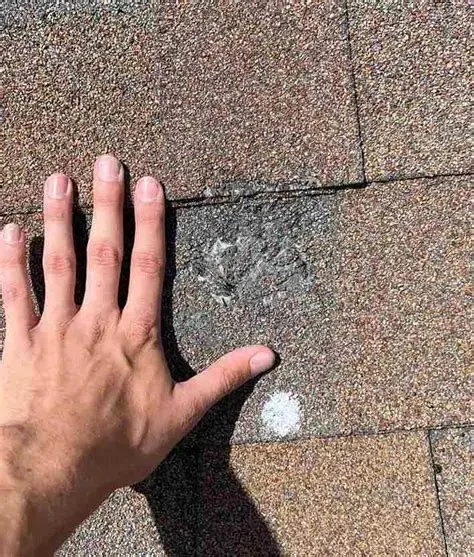
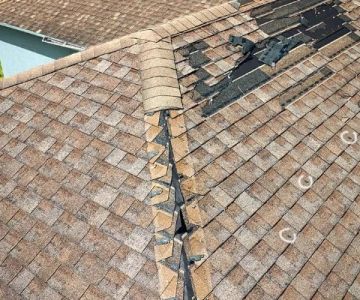
Hailstones can cause cracks or dents in asphalt shingles, which may be visible as small dimples or larger cracks. This is one of the most obvious signs of hail damage and should be addressed immediately to prevent leaks.
2.2. Granule Loss
Asphalt shingles have a layer of granules that protect them from UV rays and weather elements. After hail strikes, these granules can be dislodged, leaving bald patches or visible areas of wear. Check the ground around your home for granules, as this can indicate significant damage to your shingles.
2.3. Dented Flashing or Gutters
If hail is large enough, it can dent metal components like flashing or gutters. While not directly part of the shingles, these elements are important for the overall protection of your roof and should be inspected for any signs of damage.
3. Signs of Hail Damage on Metal Roofing
Metal roofs are durable and designed to withstand harsh weather, but they are not immune to hail damage. Here’s how to spot potential issues:
3.1. Dents and Dings
Hailstones can create visible dents or dings in metal roofing. Depending on the size of the hail, these can be small or larger, but either way, they can affect the roof’s structural integrity if left untreated. Inspect the metal roofing closely for any dents or deformations.
3.2. Paint Damage
Hail can chip or scrape away the paint on metal roofs, exposing the underlying material to rust and corrosion. Look for spots where the paint has been damaged or chipped, especially around the edges and corners of panels.
3.3. Scratches and Scrapes
Large hailstones can leave scratches or scrapes on the surface of a metal roof. While these might not cause immediate leaks, they can compromise the protective coatings and lead to long-term damage if not addressed.
4. Signs of Hail Damage on Tile Roofing
Tile roofs, whether clay or concrete, are known for their durability, but they can still suffer from hail damage. Here's how to spot it:
4.1. Cracked or Broken Tiles
Hail can easily crack or break tiles, especially if the hailstones are large and forceful. Check your roof for broken or missing tiles, as this is one of the most common forms of damage from hailstorms.
4.2. Loose or Displaced Tiles
In some cases, hailstones can dislodge tiles, causing them to become loose or shifted out of place. A shifted tile can compromise the waterproofing of your roof, so it’s important to ensure all tiles are secure and properly aligned.
4.3. Granule Loss (For Concrete Tiles)
While concrete tiles are thicker than asphalt, they may still lose some granules or surface coating after being hit by hail. This can lead to deterioration of the tile material over time, so it's essential to check for any visible signs of wear and tear.
5. How to Prevent Hail Damage in the Future
While you can’t prevent hailstorms from occurring, there are steps you can take to reduce the risk of significant roof damage:
5.1. Upgrade to Impact-Resistant Materials
One of the best ways to minimize hail damage is to install impact-resistant roofing materials. Look for materials with a high impact resistance rating, such as modified bitumen or metal roofing with a strong protective coating.
5.2. Maintain Regular Roof Inspections
Routine roof inspections help catch minor issues before they turn into major problems. After a hailstorm, consider having a professional roofer inspect your roof for hidden damage that may not be immediately visible.
5.3. Install Protective Barriers
If you live in an area with frequent hailstorms, consider adding protective barriers, such as hail guards, around vulnerable areas like skylights, vents, and windows. These barriers can reduce the impact of hail on your roof and prevent costly damage.
By understanding the signs of hail damage and taking preventative measures, you can protect your roof from costly repairs and ensure its longevity. For expert advice on roof repairs or installing a hail-resistant roof, visit Pro Found Roofing for top-rated services and products.

 Ale Home Improvement llc4.0 (31 reviews)
 Rex Roofing LLC5.0 (16 reviews)
 Safeties Construction Inc.0.0 (0 reviews)
 Epdm Roofing NJ5.0 (28 reviews)
 Clarke Roofing & Siding5.0 (2 reviews)
 Buchanan Contracting Services LLC5.0 (18 reviews)
 How to Spot Curling Shingles and What Causes This Common Problem
 What is a Roofing Square? How to Calculate the Area of a Hip Roof
 Common Roofing Terms Every Homeowner Should Know Before Talking to a Contractor
 htmlCopy codeThe True Cost of a Built-Up Roof (BUR) with Gravel for a Commercial Building
 The Pros and Cons of Installing a Roof Overlay vs Full Replacement
 Energy-Efficient 'Cool Roofs': How They Can Significantly Lower Your Cooling Bills