
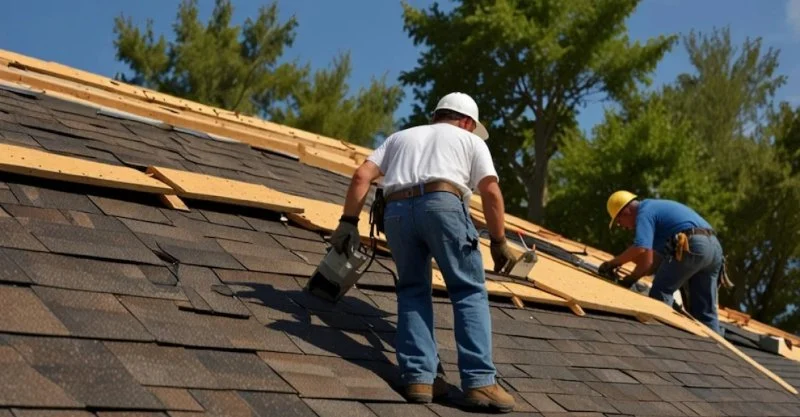
- Understanding-Roof-Durability-and-Long-Term-Value
- Key-Factors-That-Determine-Roof-Longevity
- Metal-Roofing-A-Leader-in-Durability
- Slate-Roofs-The-Gold-Standard-for-Longevity
- Clay-and-Concrete-Tile-Roofing
- Architectural-Asphalt-Shingles-A-Balanced-Option
- Choosing-the-Right-Material-for-Your-Climate
- Real-Homeowner-Story-Long-Term-Roof-Investment
- Where-to-Find-Trusted-Roofing-Materials-and-Services
Understanding Roof Durability and Long-Term Value
When homeowners research the most durable roofing materials for long-term value, they are usually trying to answer a simple question: which roof will protect the home the longest without constant repairs? A roof is not just a cosmetic element; it is one of the most important structural protections your house has against weather, moisture, and temperature changes.
Durability is often measured by a combination of lifespan, resistance to environmental damage, and maintenance requirements. A roofing system that lasts 70 years but requires frequent repairs may not deliver the same value as one that lasts 50 years with almost no maintenance. Understanding how different materials perform over decades is essential before making a major investment.

Rapid Response Roofing / rapid response roofing
East GreenvilleMontgomery CountyPennsylvania
408 State St, East Greenville, PA 18041, USA
Key Factors That Determine Roof Longevity
1. Climate and environmental exposure
Roofing materials behave differently depending on climate conditions. Homes in coastal areas deal with salt air and high winds, while homes in northern regions face heavy snow loads and freeze-thaw cycles. Materials like metal and slate tend to perform extremely well under harsh conditions, which is why they are often considered among the most durable roofing materials.

JK Contractors / jk roofing
West BendOzaukee CountyWisconsin
3058 County Rd Y, West Bend, WI 53095, USA
2. Installation quality
Even the strongest roofing materials will fail early if installed poorly. Flashing placement, underlayment quality, and ventilation design all influence the real lifespan of a roof. Professional installation ensures that the material performs as intended.
3. Maintenance and inspections
Periodic inspections can extend the life of any roofing system. Clearing debris, repairing small leaks early, and maintaining flashing prevents minor problems from becoming expensive structural issues.
Metal Roofing: A Leader in Durability
1. Why metal roofs last so long
Metal roofing is widely recognized as one of the most durable roofing materials for long-term value. Depending on the specific system, a metal roof can last between 40 and 70 years. Standing seam metal roofs are especially popular because their raised seams prevent water penetration.
2. Weather resistance and efficiency
Metal roofs resist high winds, heavy rain, and snow accumulation. They also reflect solar heat, helping homeowners reduce cooling costs during hot summers.
3. Low maintenance benefits
Compared to traditional shingles, metal roofs require minimal upkeep. Occasional inspections and simple cleaning are usually enough to keep them functioning for decades.
Slate Roofs: The Gold Standard for Longevity
1. Natural stone durability
Slate roofing is often considered the most durable roofing material available. Many slate roofs installed a century ago are still performing today. The stone itself is incredibly dense and naturally resistant to fire, water, and pests.
2. Architectural beauty and prestige
Aside from durability, slate roofs are prized for their timeless appearance. They add significant aesthetic value to historic homes and luxury properties.
3. Considerations before installation
The main challenges with slate are weight and cost. Because slate is heavy, homes may require structural reinforcement before installation. However, the lifespan—often exceeding 100 years—can justify the investment for many homeowners.
Clay and Concrete Tile Roofing
1. A traditional material with proven durability
Clay and concrete tile roofs are common in warmer regions such as California, Arizona, and Florida. These materials can last 50 years or more and provide excellent resistance to heat and sunlight.
2. Energy efficiency advantages
The shape of tile roofing allows airflow beneath the tiles, which helps regulate roof temperature. This natural ventilation can contribute to improved energy efficiency.
3. Maintenance and structural needs
Like slate, tile roofs are heavier than other materials. Proper structural support is essential to avoid long-term stress on the building frame.
Architectural Asphalt Shingles: A Balanced Option
1. Why they remain popular
Architectural asphalt shingles remain one of the most widely used roofing materials in the United States. While they do not last as long as metal or slate, high-quality architectural shingles can still provide 25 to 35 years of reliable protection.
2. Improved durability compared to standard shingles
Architectural shingles are thicker and more wind-resistant than traditional three-tab shingles. They also offer improved visual depth, making them an attractive option for many homeowners.
3. Cost-to-performance balance
For homeowners seeking durability without a premium price tag, architectural shingles often provide an excellent balance of longevity and affordability.
Choosing the Right Material for Your Climate
1. Hot and sunny climates
In regions with intense sunlight, materials that reflect heat—such as metal and tile—often perform better over time. These roofs reduce heat absorption and maintain structural integrity longer.
2. Cold and snowy regions
In colder climates, roofs must handle heavy snow loads and ice formation. Metal roofs are particularly effective because snow slides off easily, preventing accumulation and structural stress.
3. Wind-prone coastal areas
High-wind zones require roofing systems that are securely fastened and wind-rated. Metal roofs and high-end architectural shingles often perform best under hurricane or storm conditions.
Real Homeowner Story: A Long-Term Roofing Investment
A homeowner in Colorado recently shared their experience replacing an aging asphalt roof. After researching the most durable roofing materials for long-term value, they chose a standing seam metal roof. Although the upfront cost was higher than asphalt shingles, they discovered several advantages after installation.
Snow began sliding off naturally during winter storms, eliminating the need for manual snow removal. During the summer, attic temperatures dropped noticeably due to the roof’s reflective surface. Most importantly, the homeowner realized the roof would likely outlast their mortgage, making it a true long-term investment.
Where to Find Trusted Roofing Materials and Services
Selecting durable roofing materials is only part of the decision. The quality of the products and the expertise of the installer play a major role in long-term performance. Many homeowners researching the most durable roofing materials for long-term value look for suppliers that provide both premium materials and expert recommendations.
Homeowners who want reliable materials, professional guidance, and dependable roofing services often explore options through Pro Found Roofing. Access to quality materials and experienced roofing professionals helps ensure that the roof you choose delivers the durability and value your home deserves.
 The New Roof5.0 (75 reviews)
 HighPoint Emergency Roof Repair5.0 (43 reviews)
 Clark Brothers Roofing & Construction4.0 (53 reviews)
 Thoroughbred Roofs5.0 (22 reviews)
 Cochrane Roofing and Siding5.0 (15 reviews)
 Premier Home Solutions, inc.4.0 (37 reviews)
 How to Fix a Leak in a Roof Where Two Different Roof Pitches Meet
 How Attic Ventilation Impacts the Health of Your Roof
 How to Safely Remove Moss and Algae from Your Roof | Cleaning and Prevention Tips
 The Process of Installing a Solar Reflective Tile Roof in a Hot Climate
 Understanding Roofing Ventilation Systems and Why They Matter
 What is a Roofing Square? How to Account for Waste on a Complex Roof