- assessing-what-you-can-and-cannot-diy
- essential-safety-gear-and-ladder-setup
- simple-roofing-fixes-you-can-safely-handle
- weather-readiness-and-timing-your-diy-work
- case-study-colorado-homeowner-saves-the-attic
- when-its-time-to-call-the-pros
1. Assessing What You Can and Cannot DIY
Before grabbing your hammer, it’s crucial to understand the limits of DIY roof repair. In general, you can handle surface-level tasks like replacing a few shingles or sealing minor cracks. But structural issues, widespread leaks, and sagging rooflines are beyond the average homeowner’s scope—and attempting them without training can make things worse or void insurance coverage.
If you're unsure, take a step back and consult a roofing expert. Homeowners across the U.S., especially in areas like the Midwest where hail and wind damage are common, often start with good intentions but create long-term issues. For honest advice on where to draw the line, reach out to Pro Found Roofing for a pre-inspection or second opinion.
Victors Home Solutions / victors roofing
2722 E Michigan Ave suite 239, Lansing, MI 48912, USA
2. Essential Safety Gear and Ladder Setup
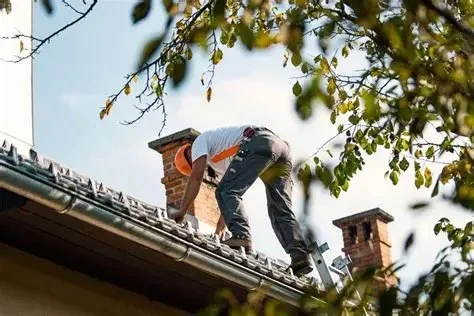
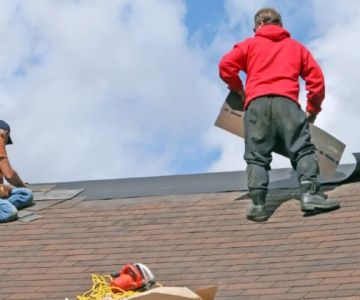
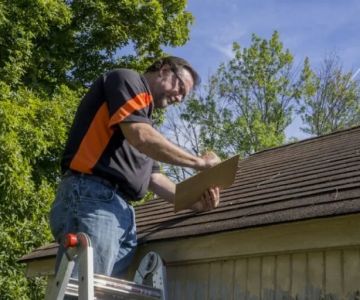
Roof work is risky—falls are a leading cause of injury in home repairs. Always use a solid ladder with rubber feet and ensure it’s anchored properly. Your ladder should extend at least three feet above the roofline for safe mounting and dismounting.
Personal protective gear includes a harness with a roof anchor, grippy roofing boots, gloves, and a helmet. A homeowner in Pennsylvania once fell while checking a skylight due to wet shingles and a lack of roof traction shoes. He was fortunate to walk away with only bruises—but it was a lesson in why safety should always come first.
Even minor repairs require serious respect for elevation. If you’re unsure about safety protocols, consider scheduling your work with the support of Pro Found Roofing, who follow OSHA-compliant practices.
Absolute Roofing / absolute roofing
TimoniumBaltimore CountyMaryland
22 W Padonia Rd # B229, Timonium, MD 21093, USA
3. Simple Roofing Fixes You Can Safely Handle
Here are a few roof repair tasks most confident homeowners can tackle safely:
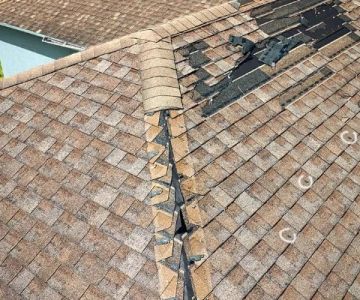
Replacing Missing or Damaged Shingles: If you have an asphalt roof and only a few shingles are missing, you can replace them using a pry bar, hammer, and roofing nails. Just be sure the surrounding shingles aren’t brittle.
Sealing Flashing or Small Gaps: Flashing around vents, skylights, or chimneys can loosen over time. With a roofing-grade sealant, small gaps can be patched to prevent leaks.
Cleaning and Securing Gutters: While technically not a roof task, clogged gutters are a major cause of roof edge leaks and water intrusion. Clearing debris and adding gutter guards is a straightforward DIY task.
As always, proper weather conditions and surface stability are essential. If you discover soft decking or water intrusion under a shingle, stop work and consult professionals like Pro Found Roofing before proceeding.
4. Weather Readiness and Timing Your DIY Work
Timing your repair matters just as much as the task itself. You should never attempt roof repairs in wet, icy, or windy conditions. Late spring and early fall are often ideal for DIY work—temperatures are moderate, and roofing materials adhere better.
Humidity, extreme heat, and cold can affect how sealants cure or how shingles lay flat. For instance, in southern states like Georgia or Arizona, avoid midday summer repairs due to intense heat. In northern states, roofing in cold temperatures can cause shingle cracking or misalignment. Always read manufacturer guidelines before applying any materials.
If you’re unsure about seasonal best practices in your region, Pro Found Roofing can provide climate-specific guidance to help you time your repairs right.
5. Case Study: Colorado Homeowner Saves the Attic
Jake from Fort Collins noticed a drip in his attic after a hailstorm. With snow in the forecast, he didn’t have time to wait for a roofer. He identified two cracked shingles, patched them with replacement shingles and roofing cement, and stopped the leak temporarily. Later, Pro Found Roofing confirmed his patch job was sound and completed a full inspection, recommending a partial replacement due to hail bruising on adjacent shingles.
Jake’s story highlights the perfect DIY mindset—he acted quickly, stuck to a manageable repair, and got pros involved to follow through. In emergency situations, a small, temporary fix can prevent major damage until help arrives.
6. When It’s Time to Call the Pros
Here are a few signs that your roof repair job is better left to professionals:
• Multiple leaks or signs of water damage inside the house
• Sagging or visibly soft roof sections
• Missing flashing, ridge caps, or structural elements
• Mold, rot, or pest entry from roof gaps
• You’re uncomfortable or unsure of your safety on a ladder
DIY is empowering, but it’s no substitute for expertise when the problem gets serious. At Pro Found Roofing, we frequently help homeowners who began a project and wisely decided to pause and ask for help. It’s never too late to hand it off—especially when your roof protects your entire home.

 Artizmo Builders Inc.5.0 (15 reviews)
 DYMI Construction Inc5.0 (11 reviews)
 Gelardi Enterprises, LLC5.0 (1 reviews)
 NYC Commercial Roofing Pros Brooklyn5.0 (15 reviews)
 Bater & Son Home Improvement0.0 (0 reviews)
 Seychel Roofing & Construction, LLC4.0 (163 reviews)
 The Advantages of a Standing Seam Metal Roof for Solar Panel Installation
 The Environmental Impact of Your Roofing Choices: A Guide to Sustainable Options
 Understanding Roofing Warranties: Material vs. System Warranties Explained
 What to Do If Your Roof Starts Leaking During a Storm in the US
 How Long Does Roof Installation Take? Timeline Explained | Pro Found Roofing
 How to Install a Standing Seam Metal Roof with Hidden Fasteners