
The Best Roofing Materials for Hot and Sunny Climates to Reflect Heat
- 1. Why Roofing Materials Matter in Hot Climates
- 2. Top Roofing Materials That Reflect Heat
- 3. How Roofing Materials Impact Energy Efficiency
- 4. Choosing the Right Roof for Your Home
- 5. Maintaining Roofing Materials in Hot Climates
1. Why Roofing Materials Matter in Hot Climates
Living in hot and sunny climates means you need to take extra care in choosing materials for your home. One of the most important decisions is selecting the right roofing material to withstand the intense sun and reflect heat. Roofing materials that effectively reflect sunlight can help maintain a cooler indoor temperature, reduce cooling costs, and increase your home’s energy efficiency. In this article, we’ll explore some of the best roofing materials designed to reflect heat, ensuring your home stays comfortable and your energy bills stay low.

Gunner Roofing / gunner roofing
CromwellLower Connecticut River Valley Planning RegionConnecticut
700 Corporate Row, Cromwell, CT 06416, USA
2. Top Roofing Materials That Reflect Heat
There are several roofing materials designed specifically for hot and sunny climates. These materials reflect sunlight rather than absorb it, which helps keep your home cooler and reduces reliance on air conditioning. Here are some of the best options:

Rapid Response Roofing / rapid response roofing
East GreenvilleMontgomery CountyPennsylvania
408 State St, East Greenville, PA 18041, USA
2.1 Cool Roofing Materials
Cool roofing materials are designed to reflect more sunlight and absorb less heat than standard roofing materials. They are often made of reflective coatings, reflective tiles, or reflective metals that bounce sunlight away from the roof. Some cool roofing materials include:
2.1.1 Cool Roof Coatings
Cool roof coatings, which can be applied to various types of roofs, have reflective properties that help reflect the sun’s rays. These coatings are ideal for asphalt, metal, and other roofing materials, and they can significantly reduce heat absorption. They also help extend the life of your roof by protecting it from UV damage.
2.1.2 Reflective Shingles
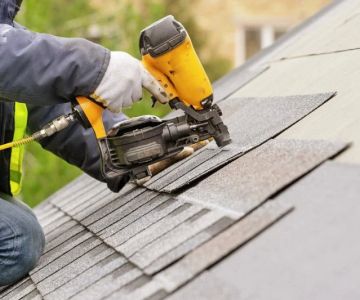
Reflective shingles are made from materials like asphalt or fiberglass that are treated with reflective granules. These shingles reflect solar radiation and reduce heat absorption. They are particularly useful in reducing attic temperatures and minimizing cooling costs during the hottest months.
2.2 Metal Roofing
Metal roofs are one of the best options for reflecting heat. They are naturally reflective, and their sleek surfaces bounce sunlight away from the building. Additionally, metal roofs are durable and long-lasting, making them a wise investment in hot climates. Available in a variety of finishes and colors, metal roofing can be tailored to your aesthetic preferences.
2.3 Tile Roofing
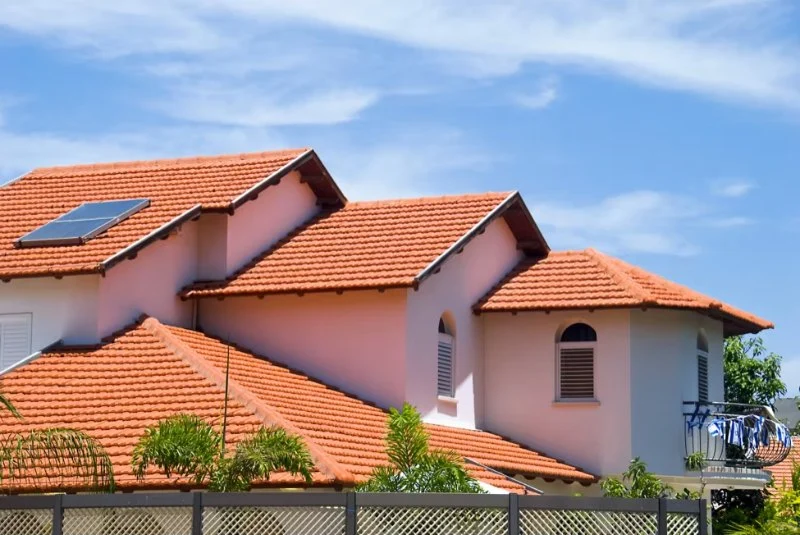
Clay or concrete tiles are another excellent option for hot climates. These materials are naturally resistant to heat and help to keep your home cooler. They also have a long lifespan and provide a unique, stylish look. When installed properly with air gaps underneath, tile roofing can provide effective ventilation, reducing the heat buildup in your attic.
2.4 Reflective Membranes
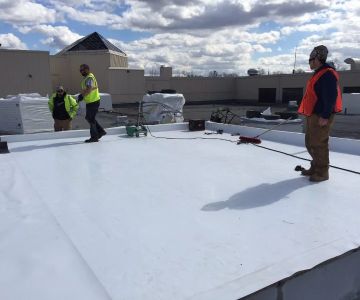
Reflective membranes are typically used for flat roofs, which are common in commercial buildings but can also be used in residential properties. These membranes come in various materials, such as PVC or TPO, and are designed to reflect solar heat. They are easy to install and are very effective at reducing energy consumption in hot climates.
3. How Roofing Materials Impact Energy Efficiency
The type of roofing material you choose has a direct impact on your home’s energy efficiency. Here’s how different materials contribute to a cooler home and lower energy costs:
3.1 Reducing Heat Absorption
Roofing materials that reflect sunlight help to reduce the amount of heat absorbed by your home. As a result, your air conditioning system doesn’t have to work as hard to cool your home, which leads to lower energy bills and a more comfortable living environment.
3.2 Improving Insulation
Many reflective roofing materials also provide better insulation, helping to keep heat out during the summer and warmth in during the winter. This can result in year-round energy savings, as your heating and cooling systems will use less energy to maintain a comfortable temperature inside your home.
3.3 Longevity and Durability
Reflective roofing materials often last longer than traditional materials, as they are less prone to damage from the sun’s UV rays. This extended lifespan helps reduce the long-term costs of roof maintenance and replacement, which is especially important in areas with intense sunlight.
4. Choosing the Right Roof for Your Home
When selecting roofing materials for a hot and sunny climate, it’s important to consider several factors, such as your budget, aesthetic preferences, and the specific needs of your home:
4.1 Climate Considerations
If you live in an area with extreme heat, it’s best to choose a roofing material that offers high reflectivity and durability. Metal roofing and cool roofing coatings are particularly effective in these environments. On the other hand, tile roofing might be better for areas that also experience significant rainfall or temperature fluctuations.
4.2 Aesthetic Appeal
While functionality is important, you’ll also want a roofing material that complements your home’s style. Reflective shingles, metal roofs, and tile roofs come in a variety of colors and finishes to suit different architectural styles.
4.3 Budget
Cost is always a consideration when choosing roofing materials. While materials like metal roofing can have a higher upfront cost, they offer long-term savings in energy efficiency and maintenance. Tile roofing also tends to be on the pricier side, but its durability and heat resistance make it a good investment in the long run.
5. Maintaining Roofing Materials in Hot Climates
To ensure your roof continues to perform well in hot climates, regular maintenance is key. Here are some tips for maintaining your roofing materials:
5.1 Clean Your Roof Regularly
Debris, dirt, and algae can accumulate on your roof over time, affecting its ability to reflect sunlight. Regular cleaning can help maintain the roof’s reflective properties and prevent damage from built-up debris.
5.2 Inspect for Damage
Frequent inspections can help you catch any early signs of wear and tear, such as cracks, leaks, or missing shingles. Addressing issues promptly can prevent more costly repairs down the line.
5.3 Apply Reflective Coatings
If you’ve opted for roofing materials like asphalt shingles or metal, consider reapplying a reflective coating every few years. This will help keep your roof performing at its best and ensure it continues to reflect sunlight effectively.
For the best roofing materials and services for hot climates, visit Pro Found Roofing to find the most suitable products and expert advice tailored to your needs.




 Virtual Roofing5.0 (3 reviews)
 Carmel Roofs0.0 (0 reviews)
 Scituate Roofing & Exteriors2.0 (13 reviews)
 Roofed Right America LLC4.0 (115 reviews)
 Mastercraft Roofing Siding Windows5.0 (8 reviews)
 GOAT Roofing5.0 (40 reviews)
 How Roofing Affects Home Resale Value: Boosting Curb Appeal and ROI
 How Long Does Roof Installation Take? Timeline Explained | Pro Found Roofing
 The Signs of a Roof Leak That is Traveling Far from the Actual Entry Point
 The Best Time of Year to Replace or Repair Your Roof - Tips for Homeowners
 How to Install a Roof Vent for Your Kitchen Exhaust Fan to the Outside
 How to Choose the Right Gutter System to Protect Your Roof and Foundation