
- 1-Importance-of-Identifying-Storm-Damage
- 2-Common-Types-of-Storm-Damage
- 3-Visual-Inspection-Tips
- 4-Documenting-Damage-for-Insurance
- 5-Case-Studies-of-Homeowners
- 6-Safety-Precautions-While-Inspecting
- 7-Using-Professional-Assessment-Services
- 8-Preventive-Steps-After-Storm
1. Importance of Identifying Storm Damage
Storms can cause significant damage to homes and properties in a very short time, often leaving behind hidden issues that may not be immediately noticeable. Identifying storm damage before an insurance inspection is critical for several reasons:
Maximizing Insurance Claims: Properly identifying and documenting all damage ensures homeowners receive the full coverage they are entitled to.
Preventing Further Damage: Timely detection allows homeowners to implement temporary fixes, reducing secondary damage such as water infiltration or structural weakening.
Safety Assurance: Some storm damage, such as weakened roofs or broken windows, can pose immediate hazards if not addressed quickly.
Understanding the importance of early detection helps homeowners prioritize inspections and take action before insurers visit the property.

SB Pro Roofing / sb pro roofing
Pinellas ParkPinellas CountyFlorida
6358 49th St N, Pinellas Park, FL 33781, USA
2. Common Types of Storm Damage
Storms can produce a wide range of damages depending on their severity, type, and duration. Homeowners should be aware of the most frequent issues:

Gunner Roofing / gunner roofing
CromwellLower Connecticut River Valley Planning RegionConnecticut
700 Corporate Row, Cromwell, CT 06416, USA
2.1 Roof Damage
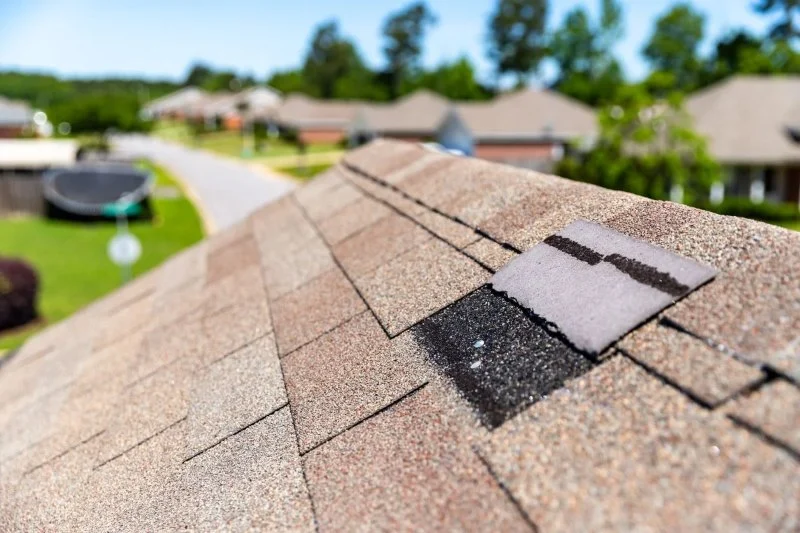
Hail, strong winds, and flying debris can cause shingles to crack, loosen, or become displaced. Over time, these vulnerabilities may lead to leaks and water damage.
2.2 Siding and Exterior Walls
High winds and hail can dent, crack, or loosen siding. In severe cases, walls may develop gaps that allow moisture or pests to enter.
2.3 Windows and Doors
Broken or cracked windows are common in storms with high wind or hail. Even minor cracks can compromise insulation and security.
2.4 Gutters and Drainage Systems
Storm debris can clog gutters, causing overflow and water pooling around the foundation, potentially leading to basement leaks.
2.5 Landscape and Outdoor Structures
Fences, decks, trees, and sheds may be damaged, uprooted, or blocked, creating hazards or obstructing access to the property.
3. Visual Inspection Tips
Homeowners can conduct a careful visual inspection to identify storm damage before an insurance visit. A systematic approach is essential:
3.1 Start from the Roof
Use binoculars or a safe vantage point to check for missing shingles, dents, or cracks. Pay attention to areas around vents, chimneys, and skylights.
3.2 Check Gutters and Downspouts
Look for displaced or damaged sections, and note areas where debris may block water flow.
3.3 Examine Exterior Walls and Siding
Search for dents, cracks, and loose panels. Tap on siding to identify hollow areas that may indicate water infiltration.
3.4 Inspect Windows and Doors
Check for broken glass, damaged frames, or compromised seals. Even minor issues should be documented for insurance purposes.
3.5 Evaluate the Yard
Inspect fences, decks, trees, and other outdoor structures. Fallen branches or debris near the foundation can indicate potential damage or hazards.
4. Documenting Damage for Insurance
Accurate documentation can significantly improve the outcome of an insurance claim. Key practices include:
Photographs and Videos: Capture all visible damage from multiple angles. Include close-ups and wider shots to show context.
Detailed Notes: Record the date, location, and type of damage observed. Include descriptions of potential causes, such as hail size or wind direction.
Receipts and Estimates: Keep records of temporary repairs, cleanup efforts, or professional assessments conducted before the insurance inspection.
5. Case Studies of Homeowners
Real-life examples illustrate how pre-inspection damage identification can benefit homeowners:
Case 1: Hail Damage in Texas
A family in Dallas noticed minor shingle cracks after a summer hailstorm. By documenting the damage immediately with photos and contacting a roofing expert, they were able to expedite their insurance claim and receive full coverage for roof replacement.
Case 2: Wind Damage in Florida
Strong winds tore sections of siding off a home in Orlando. Early identification allowed the homeowner to secure temporary repairs and prevent water damage inside the walls, which was critical for a smooth insurance claim process.
Case 3: Fallen Tree in Ohio
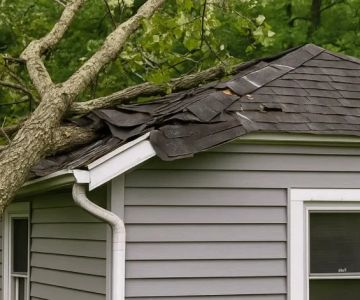
After a storm, a large tree branch partially damaged a deck and scratched the roof. Documentation before the insurer’s visit ensured that both the structural and cosmetic damages were fully accounted for in the claim.
6. Safety Precautions While Inspecting
Storm damage inspections can be hazardous. Homeowners should always prioritize safety:
Wear protective gear such as gloves, helmets, and sturdy footwear.
Avoid walking on damaged roofs or climbing unstable structures.
Keep a safe distance from fallen power lines or large trees.
Use binoculars or cameras with zoom lenses to inspect hard-to-reach areas safely.
7. Using Professional Assessment Services
While homeowners can identify many issues themselves, professional assessments provide detailed inspections and documentation that insurers respect. Services such as Pro Found Roofing offer:
Expert roof and exterior inspections
Accurate damage estimates
Guidance on insurance documentation and claim submission
Temporary repairs to prevent further damage
Hiring professionals ensures no damage goes unnoticed and increases the likelihood of a successful insurance claim.
8. Preventive Steps After Storm
After inspecting and documenting storm damage, homeowners should take preventive actions to protect their property:
Secure tarps or temporary roofing for exposed areas
Clear debris from gutters and drainage systems
Trim fallen branches and assess trees for further risk
Schedule repairs promptly to prevent secondary issues like water intrusion or mold growth
Following these steps minimizes further damage and streamlines the insurance process, ultimately saving time and money.

 The Roofing Center5.0 (3 reviews)
 Professional Exteriors LLC5.0 (115 reviews)
 Fischer Roofing5.0 (1 reviews)
 TCI Manhattan Roofing Repair Services NYC5.0 (2 reviews)
 A.P. Roofing and Siding4.0 (66 reviews)
 Property Revolution Roofing & Decks4.0 (249 reviews)
 How to Safely Remove Moss and Algae from Your Roof - Step-by-Step Guide
 The Pros and Cons of Installing a Roof Overlay Instead of Full Replacement
 Pros and Cons of Re-Roofing vs. Full Roof Tear-Off for U.S. Homes
 The Best Roofing Materials for Mountain Homes with Heavy Snow Loads
 The Benefits of Architectural Shingles for Their Dimensional Look and Durability
 Average Cost to Replace a Flat Roof on a Commercial Building