
- -Understanding Roof Underlayment and Its Core Purpose
- -Why Roof Underlayment Matters in Modern Roofing Systems
- -Asphalt-Saturated Felt Underlayment Explained
- -Synthetic Underlayment and Its Performance Advantages
- -Self-Adhered Membrane Underlayment for Critical Protection
- -Comparing Different Roof Underlayment Types
- -Real-Life Roofing Failure and Success Case Studies
- -How Climate Impacts Underlayment Selection
- -Professional Installation Insights and Best Practices
- -How Pro Found Roofing Helps Homeowners Make the Right Choice
Understanding Roof Underlayment and Its Core Purpose
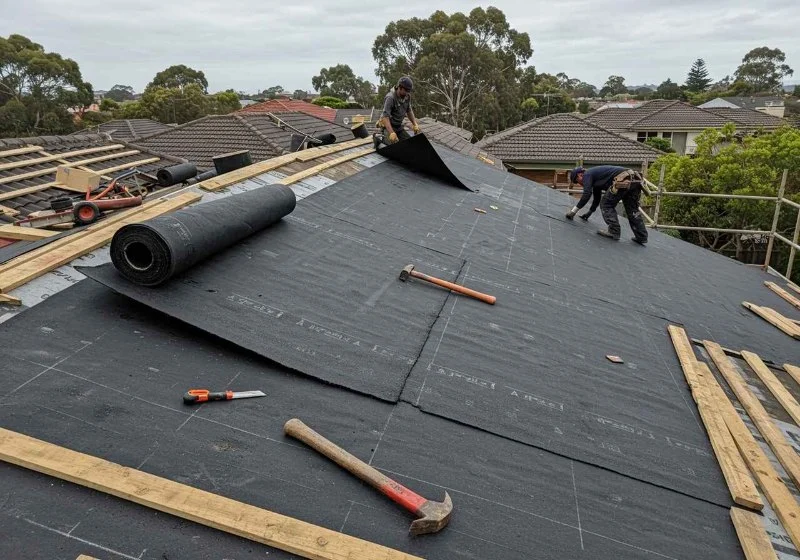
Roof underlayment is one of those essential components of a roofing system that often goes unnoticed until something goes wrong. Positioned between the roof deck and the outer roofing material, it acts as a protective barrier against water infiltration, wind-driven rain, and extreme weather conditions. Understanding roof underlayment types and why they matter begins with recognizing that shingles or metal roofing alone are not sufficient to fully protect a home.
Even the highest-quality roofing materials can fail under severe weather if the underlayment is weak or improperly installed. This hidden layer serves as a secondary defense system, ensuring that moisture does not reach the structural decking beneath the roof surface.
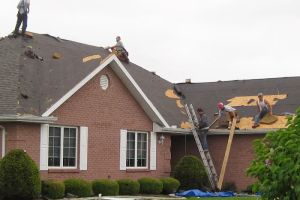
Lance Roofing & Siding Inc. / lance roofing and siding
6903 Dayton Springfield Rd, Enon, OH 45323, USA
Why Roof Underlayment Matters in Modern Roofing Systems
Modern roofing systems are designed with multiple layers of protection, and underlayment is a critical part of that structure. It acts as a waterproofing backup when shingles are damaged, displaced, or aging. Without proper underlayment, even minor roof damage can quickly escalate into costly structural repairs.
Homeowners often underestimate how much weather exposure a roof endures. UV radiation, heavy rain, snow, ice dams, and wind uplift all stress the roofing system. A reliable underlayment helps absorb these challenges and prolongs the lifespan of the entire roof assembly.

Absolute Roofing / absolute roofing
TimoniumBaltimore CountyMaryland
22 W Padonia Rd # B229, Timonium, MD 21093, USA
Asphalt-Saturated Felt Underlayment Explained
Asphalt-saturated felt, often referred to as tar paper, is one of the traditional roof underlayment types still widely used today. It is made from organic or fiberglass mats soaked in asphalt to create a water-resistant barrier.
There are two common weights: 15-pound and 30-pound felt. The heavier 30-pound version offers better durability and resistance to tearing, making it more suitable for steeper or more exposed roofs. However, felt can absorb moisture over time and may wrinkle or degrade under prolonged exposure before roofing materials are installed.
Despite its limitations, asphalt felt remains a cost-effective option for many residential projects and is still commonly used in standard roofing installations.
Synthetic Underlayment and Its Performance Advantages
Synthetic underlayment has become the preferred choice for many roofing professionals due to its superior strength and moisture resistance. Made from polypropylene or polyethylene materials, it is significantly lighter than felt while offering higher durability and UV resistance.
Unlike traditional felt, synthetic underlayment resists tearing even under heavy foot traffic during installation. This makes it particularly useful for complex roofing projects where installers need stability and safety.
Additionally, synthetic materials do not absorb moisture, reducing the risk of mold growth and structural damage during construction delays or weather exposure.
Self-Adhered Membrane Underlayment for Critical Protection
Self-adhered membrane underlayment is considered the highest level of waterproof protection in roofing systems. It features a sticky backing that bonds directly to the roof deck, creating a fully sealed barrier against water intrusion.
This type is especially important in vulnerable areas such as roof valleys, eaves, skylights, and regions prone to ice dam formation. It provides a watertight seal that prevents leaks even under extreme conditions.
Although more expensive than other options, its performance in high-risk zones makes it a critical investment for long-term roof protection.
Comparing Different Roof Underlayment Types
Each roof underlayment type serves a specific purpose, and choosing the right one depends on budget, climate, and roof design. Felt is economical but less durable. Synthetic underlayment provides a balanced mix of strength and affordability. Self-adhered membranes deliver maximum protection but at a higher cost.
For example, a homeowner in a moderate climate may choose synthetic underlayment for its balance of performance and cost. Meanwhile, homes in regions with heavy snowfall or frequent storms may require self-adhered systems for added protection against ice dams and water penetration.
Real-Life Roofing Failure and Success Case Studies
One notable case involved a homeowner in the Midwest who experienced repeated roof leaks after a storm season. The issue was traced back to aging asphalt felt underlayment that had deteriorated over time. Once replaced with a synthetic system combined with self-adhered membranes in vulnerable areas, the home remained leak-free despite subsequent severe weather events.
Another example comes from a coastal property exposed to high winds and salt air. Initially, standard felt underlayment failed prematurely, leading to moisture intrusion. After upgrading to a full synthetic underlayment system installed by professionals, the roof performance improved significantly, even during hurricane conditions.
How Climate Impacts Underlayment Selection
Climate plays a major role in determining which roof underlayment types are most suitable. Hot climates require UV-resistant materials that won’t degrade under sunlight exposure during installation. Cold climates benefit from self-sealing membranes that protect against ice dams.
Humid regions demand moisture-resistant synthetic materials to prevent mold growth and trapped humidity beneath the roof surface. Understanding local environmental conditions ensures the roofing system performs efficiently year-round.
Professional Installation Insights and Best Practices
Proper installation is just as important as selecting the right material. Even the best underlayment will fail if installed incorrectly. Overlapping seams, proper fastening, and moisture barrier alignment are essential steps that experienced roofers prioritize.
Roofing professionals also recommend inspecting the roof deck before installation to ensure there is no existing damage or moisture that could compromise the system. Timing is critical as well, since prolonged exposure of underlayment without roofing material can reduce effectiveness.
How Pro Found Roofing Helps Homeowners Make the Right Choice
Pro Found Roofing provides expert guidance on selecting and installing the most suitable roof underlayment types for different homes and climates. By evaluating structural conditions, weather exposure, and long-term durability needs, the platform helps homeowners make informed roofing decisions.
Through professional insight, material comparisons, and real-world installation experience, Pro Found Roofing ensures that every roofing system is built for maximum protection and longevity. Whether upgrading an old roof or planning a new installation, homeowners benefit from tailored recommendations that prioritize safety, efficiency, and durability.

 Slate & Copper Services5.0 (3 reviews)
 Senco Home Services4.0 (40 reviews)
 Werner Commercial Roofing5.0 (7 reviews)
 Central Contractors LLC4.0 (28 reviews)
 Carter & Sons Roofing4.0 (46 reviews)
 Canopy Home Exteriors4.0 (109 reviews)
 Roof Replacement Permit Cost Explained: Fees, Factors, and What Homeowners Should Know
 What is a Roofing Nail? Why Plastic Cap Nails are Used for Underlayment Only
 Can a Roof Be Repaired in Winter? What You Need to Know
 Roof Replacement Before Selling Your Home: Is It Worth It?
 The Benefits of Annual Roof Inspections: Catching Small Issues Before They Become Catastrophic
 What to Do When Your Roof Fails a Home Inspection – Expert Tips and Solutions