
- Understanding-Tree-Related-Roof-Damage
- Common-Types-of-Tree-Damage-to-Roofs
- Regular-Roof-Inspection-and-Maintenance
- Strategic-Tree-Trimming-and-Landscaping
- Protective-Measures-and-Roofing-Solutions
- Storm-Preparation-and-Weather-Proofing
- Real-Life-Examples-and-Lessons-Learned
- Working-with-Professional-Roofing-Services
- Long-Term-Care-and-Monitoring
Understanding Tree-Related Roof Damage
Trees offer shade and aesthetic appeal, but they can also pose significant risks to your roof if not properly managed. Branches rubbing against shingles, falling limbs, and leaf accumulation can all compromise your roof’s integrity. Understanding how tree-related damage occurs is the first step in effective prevention.

Rapid Response Roofing / rapid response roofing
East GreenvilleMontgomery CountyPennsylvania
408 State St, East Greenville, PA 18041, USA
1. Physical Damage from Branches
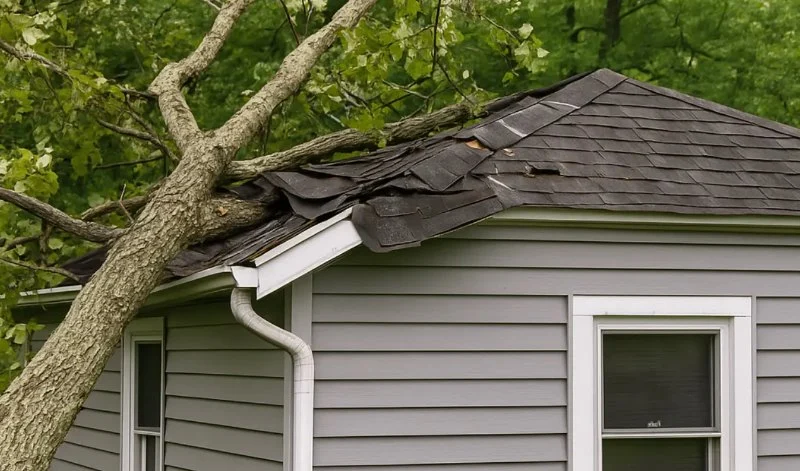
During strong winds or storms, overhanging branches may strike your roof, cracking or dislodging shingles. Even small limbs can penetrate vulnerable areas, especially on older roofs. Regular monitoring and pruning can prevent these incidents before they escalate into costly repairs.
Absolute Roofing / absolute roofing
TimoniumBaltimore CountyMaryland
22 W Padonia Rd # B229, Timonium, MD 21093, USA
2. Debris and Water Accumulation
Leaves, twigs, and seeds often collect in gutters and valleys of the roof. This debris can trap moisture, leading to rot, mold, or algae growth, and ultimately weakening the roof’s structure. Proactive gutter cleaning and debris removal are essential to maintaining long-term roof health.
3. Root and Structural Influence
Though not directly impacting the roof, tree roots can compromise the foundation, causing shifts that might affect roof alignment. Additionally, trees planted too close can grow large enough to pose a threat as branches expand.
Common Types of Tree Damage to Roofs
1. Shingle Damage
One of the most frequent problems is shingles being scratched, lifted, or torn off by branches. This exposes the underlying roof layers to water infiltration, potentially causing leaks and interior damage.
2. Moss and Algae Growth
Shade from trees combined with accumulated debris creates an ideal environment for moss and algae. Moss lifts shingles and retains water, accelerating deterioration.
3. Gutter Blockage
Clogged gutters lead to overflow, water pooling, and ice dam formation in winter, all of which can contribute to roof damage.
Regular Roof Inspection and Maintenance
1. Seasonal Roof Checks
Inspecting your roof at least twice a year allows you to identify early signs of damage. Look for cracked or missing shingles, signs of rot, and areas where debris tends to accumulate.
2. Professional Inspections
Hiring a licensed roofing professional, such as Pro Found Roofing, ensures a thorough assessment. Professionals can detect subtle problems and recommend targeted interventions before they become costly repairs.
3. Routine Cleaning
Keeping the roof and gutters free from leaves and branches reduces the risk of moisture damage. Invest in proper tools or schedule professional cleaning for safety and effectiveness.
Strategic Tree Trimming and Landscaping
1. Maintaining Safe Distance
Trimming trees so that branches remain several feet away from the roof minimizes the risk of impact during storms. Ideally, mature trees should have a clear buffer zone around your home’s perimeter.
2. Selective Pruning
Focus on removing dead, weak, or overhanging branches. This not only protects the roof but also improves tree health and appearance. Regular pruning prevents sudden breakage caused by wind or decay.
3. Choosing the Right Trees
If planting new trees, select species with smaller canopies and slower growth. Avoid trees with brittle wood or invasive roots that could threaten the structure.
Protective Measures and Roofing Solutions
1. Roof Reinforcement
For homes surrounded by large trees, consider reinforced roofing materials. Metal roofs or impact-resistant shingles offer extra protection against falling limbs.
2. Gutter Guards and Roof Flashing
Installing gutter guards prevents debris accumulation and directs water away efficiently. Properly maintained flashing around chimneys, vents, and valleys further reduces water infiltration risks.
3. Temporary Barriers During Storms
In areas prone to hurricanes or severe storms, temporary roof barriers or protective tarps can reduce damage from falling branches and heavy debris.
Storm Preparation and Weather Proofing
1. Early Assessment
Before storm season, examine trees near your home and remove weak or hazardous limbs. Early preparation reduces emergency repairs and insurance claims.
2. Insurance Considerations
Ensure your homeowner’s insurance policy covers tree-related roof damage. Document existing conditions with photographs for reference in case of claims.
3. Emergency Contacts
Keep a list of professional roofing and tree service companies for rapid response. Quick action after a storm mitigates further damage.
Real-Life Examples and Lessons Learned
Homeowners across the U.S. have faced extensive roof damage from falling trees. In Florida, a resident experienced significant shingle loss after a hurricane uprooted a nearby oak tree. The damage could have been minimized by prior trimming and using impact-resistant shingles. Similarly, in Pennsylvania, regular gutter maintenance prevented water accumulation from tree debris, avoiding costly repairs.
These cases highlight the importance of preventive measures, strategic landscaping, and proactive maintenance. Applying these strategies consistently protects both your roof and your investment.
Working with Professional Roofing Services
1. Selecting Reliable Contractors
Partnering with reputable roofing services such as Pro Found Roofing ensures that inspections, repairs, and preventive measures are performed correctly and safely. Professional contractors have the tools, experience, and safety protocols to handle roof protection efficiently.
2. Customized Roof Protection Plans
Professionals can provide tailored solutions based on tree proximity, roof type, and local climate conditions. Customized plans maximize durability and minimize risks from tree-related damage.
Long-Term Care and Monitoring
1. Scheduled Maintenance
Establish a long-term roof maintenance schedule that includes debris removal, gutter cleaning, and tree trimming. Routine monitoring keeps potential problems in check and extends roof life.
2. Documentation and Record Keeping
Maintain records of inspections, repairs, and tree trimming. Documentation helps track improvements and is valuable for insurance purposes.
3. Community Resources
Leverage local arborists and neighborhood programs for guidance on tree management and safety. Collaboration ensures that both your home and surrounding environment remain safe.
By combining regular maintenance, strategic landscaping, professional support, and proactive storm preparation, homeowners can effectively protect their roofs from tree damage. For the best products, services, and expert advice, visit Pro Found Roofing to find solutions tailored to your home.



 Always Roofing4.0 (10 reviews)
 Mountain Springs Roofing Company3.0 (14 reviews)
 The Roof Co.5.0 (10 reviews)
 Patriot Shield Roofing5.0 (7 reviews)
 Orlando Roofing - Roof Replacements & Repair0.0 (0 reviews)
 🏠 Sheet Metal Unlimited PL4.0 (30 reviews)
 Roof Replacement Cost in Urban vs Rural Areas: What Homeowners Should Know
 How to Repair a Leaking Roof on a Bay Window with Complex Angles
 How Hail Damage Affects Your Roof's Lifespan and Performance Over Time
 The Signs of Asbestos in an Old Roof: What to Do if You Suspect It
 How to Spot and Repair Damage to Roof Vents and Vent Flashing
 How to Safely Remove Moss and Algae from Your Roof - Step-by-Step Guide