- 1. Introduction to Snow-Resistant Roofing Materials
- 2. Top Roofing Materials for Mountain Homes with Heavy Snow Loads
- 3. Important Considerations for Choosing Roofing Materials
- 4. Tips for Installing Roofs in Snowy Regions
- 5. Maintenance and Care for Snow-Heavy Roofs
1. Introduction to Snow-Resistant Roofing Materials
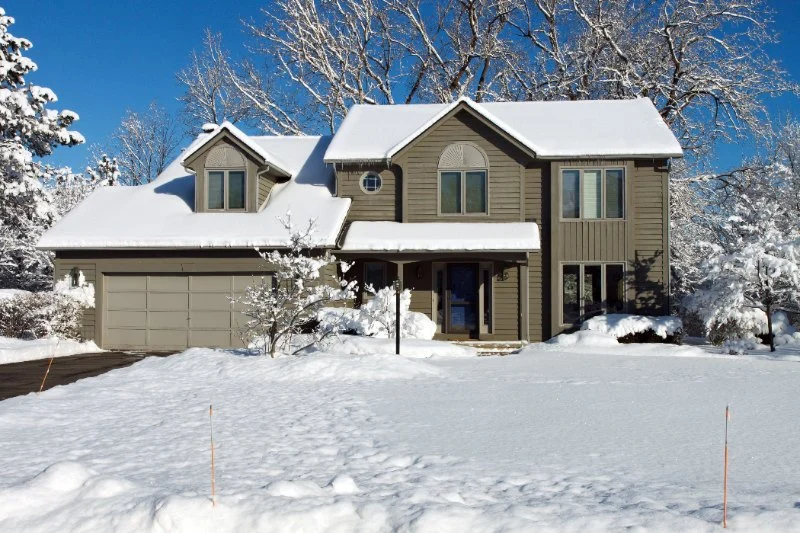
If you live in a mountain home or a region that experiences heavy snow loads, choosing the right roofing material is essential. Heavy snowfall can place significant stress on a roof, and using roofing materials that are not designed to withstand the weight of snow can lead to damage or even roof failure. In this article, we’ll explore the best roofing materials for mountain homes and provide useful insights into how to choose the best option for snow-heavy environments.

Rapid Response Roofing / rapid response roofing
East GreenvilleMontgomery CountyPennsylvania
408 State St, East Greenville, PA 18041, USA
2. Top Roofing Materials for Mountain Homes with Heavy Snow Loads
When selecting roofing materials for homes in areas with heavy snow, it’s important to consider both durability and the ability to shed snow. Below are some of the best materials for snow-prone areas:

JK Contractors / jk roofing
West BendOzaukee CountyWisconsin
3058 County Rd Y, West Bend, WI 53095, USA
2.1 Metal Roofing
Metal roofing is one of the most popular choices for homes in snowy areas due to its ability to shed snow and ice quickly. Metal roofs are smooth and slippery, which helps snow slide off naturally, reducing the risk of ice dams and preventing excessive weight accumulation. Additionally, metal is highly durable and can withstand the weight of heavy snow without becoming damaged.
2.2 Asphalt Shingles
Asphalt shingles are a common roofing material, offering affordability and a variety of styles. While asphalt shingles are not as snow-resistant as metal roofs, they can still perform well in snowy climates when installed correctly. To improve snow-shedding, consider choosing high-quality, impact-resistant shingles, which offer enhanced durability and protection against the weight of snow.
2.3 Slate Roofing
Slate roofing is another excellent option for mountain homes. This natural stone is incredibly durable and can handle the weight of snow and ice. Slate roofs are low-maintenance and have a long lifespan, making them a great investment for homeowners looking for both aesthetic appeal and practicality in snowy conditions.
2.4 Clay Tiles
Clay tiles are a stylish and long-lasting roofing option for homes in snowy areas. While they are heavier than asphalt shingles, their durability and ability to withstand the elements make them a solid choice for cold climates. However, clay tiles may not shed snow as easily as metal roofs, so proper installation and maintenance are essential to avoid snow buildup.
2.5 Concrete Tiles
Concrete tiles are known for their strength and durability. They are often used in areas with heavy snow and can support significant weight without compromising the roof’s structure. Like clay tiles, concrete tiles may require more attention in terms of snow shedding, but they offer a solid long-term roofing solution for mountain homes.
3. Important Considerations for Choosing Roofing Materials
When selecting roofing materials for mountain homes with heavy snow loads, several factors need to be considered to ensure the roof is durable and effective in snowy conditions. These include:
3.1 Roof Pitch
The pitch or slope of your roof plays a key role in how snow will shed from it. Steeper slopes are more effective at allowing snow to slide off, reducing the risk of ice dams and snow buildup. If your roof has a low slope, you may need to choose materials that are specifically designed to handle snow buildup and provide proper insulation.
3.2 Weight of Roofing Material
The weight of the roofing material is an important consideration. While heavier materials like slate and clay tiles are durable, they require a sturdy underlying structure to support the extra load. In areas with extreme snowfall, it’s important to ensure that the roof framing and trusses can handle the weight of both the roofing material and the snow accumulation.
3.3 Snow Load Ratings
Each roofing material has its own snow load rating, which indicates how much weight it can safely handle. Make sure to consult with a roofing professional to ensure that the chosen material is appropriate for the snow load requirements of your area. The snow load rating is especially important for homes in regions with heavy and persistent snow.
3.4 Insulation and Ventilation
Good insulation and ventilation are critical for preventing snow from accumulating on the roof. Proper attic ventilation will help regulate the temperature of the roof, preventing heat from escaping and melting the snow, which can lead to ice dams. Additionally, high-quality insulation in your home will help keep the roof cold, allowing snow to remain frozen and reduce the risk of ice buildup.
4. Tips for Installing Roofs in Snowy Regions
Proper installation is essential for ensuring your roof performs well in snowy environments. Here are some tips for installation:
4.1 Professional Installation
When installing a roof in a snow-prone area, it’s crucial to hire a professional roofing contractor who understands the specific challenges posed by heavy snow. A professional installer will ensure the roof is designed to handle the weight of snow and ice, and will properly install the roof to prevent snow accumulation.
4.2 Snow Guards
Consider adding snow guards or snow retention systems to your roof. These devices help to prevent snow from sliding off the roof too quickly and causing damage to people or property below. They also allow for controlled snow release, reducing the risk of snow piling up and creating an overload on your roof.
4.3 Proper Insulation
Ensure that your roof is properly insulated to prevent snow from melting and refreezing. Installing a quality ice and water shield underlayment will provide additional protection against ice dams, helping to maintain the integrity of your roof during the winter months.
5. Maintenance and Care for Snow-Heavy Roofs
Maintaining your roof is crucial in areas with heavy snowfall. Regular roof maintenance can help to identify and address any potential issues before they become serious problems:
5.1 Remove Snow Buildup
It’s essential to remove any snow buildup from your roof, especially after heavy snowfalls. If the snow is allowed to accumulate, it can create excess weight and lead to roof damage. Use a roof rake with a long handle to safely remove snow from the roof, or hire a professional to perform the task if necessary.
5.2 Inspect Roof After Winter
After the winter season, inspect your roof for any damage caused by heavy snow or ice. Look for signs of leaks, cracks, or damage to roofing materials. If you notice any issues, it’s important to have them addressed immediately to prevent further damage.
For more information on selecting and maintaining the best roofing materials for mountain homes, visit Total Roofing Hub for expert advice and professional services to ensure your roof is prepared for the snow.

 VA Commercial Roofers4.0 (28 reviews)
 Nations Roof - Corporate Headquarters0.0 (0 reviews)
 ProRoofing - Atlanta5.0 (102 reviews)
 Central Roofing of Champaign4.0 (56 reviews)
 Infinity Roofing5.0 (29 reviews)
 Mr. Roof Grand Rapids4.0 (401 reviews)
 How to Safely Install a New Roof Over an Old One: Legal and Practical Facts
 Energy-Efficient 'Cool Roofs': How They Can Significantly Lower Your Cooling Bills
 How to Install a Roof Vent for a Bathroom that Has No Existing Ventilation
 How Hail Damage Affects Your Roof's Lifespan and Performance Over Time
 The Process of Installing a TPO Roof with Welded Seams for a Perfect Seal
 The Best Attic Insulation Types to Work with Your Roofing System for Efficiency