
- Understanding Roof Replacement Costs
- National Average Pricing
- Factors That Affect Roof Costs
- Material Cost Comparison
- Labor and Tear-Off Expenses
- Hidden Costs Homeowners Forget
- Roof Size and Pricing Examples
- Real Homeowner Case Study
- How to Save Money on Roof Replacement
- Choosing the Right Roofing Contractor
- Signs It Is Time for a New Roof
- Long-Term Value of a New Roof
Understanding Roof Replacement Costs
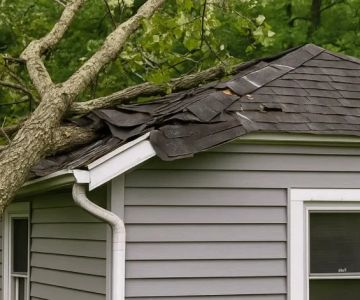
For many homeowners, replacing a roof is one of the largest home improvement projects they will ever undertake. Whether your roof has reached the end of its lifespan, suffered storm damage, or developed chronic leaks, understanding the Average Cost to Tear Off and Replace a Roof is essential before requesting estimates.
One of the biggest misconceptions homeowners have is that roofing costs are determined solely by square footage. In reality, roof replacement pricing depends on a combination of factors including labor, material selection, roof complexity, local regulations, disposal fees, and the condition of the roof deck underneath.
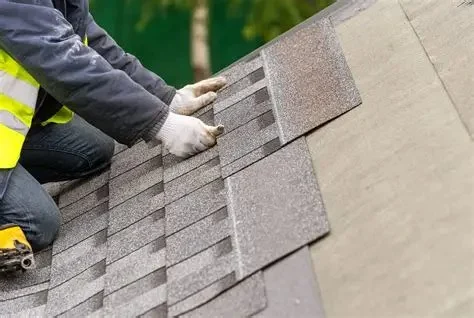
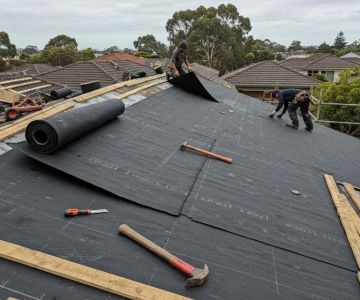
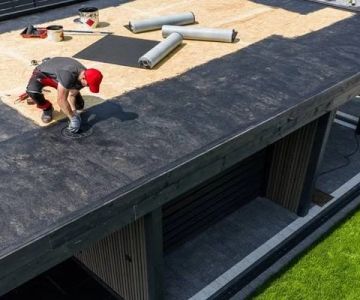
A complete roof replacement generally involves removing existing roofing materials, inspecting the underlying structure, repairing damaged decking if necessary, installing underlayment, and applying the new roofing system. Each step contributes to the final project cost.
While homeowners often focus on finding the lowest bid, experienced roofing professionals frequently emphasize value rather than simply price. A poorly installed roof can lead to leaks, mold growth, structural deterioration, and expensive repairs years later.
Victors Home Solutions / victors roofing
2722 E Michigan Ave suite 239, Lansing, MI 48912, USA
National Average Pricing
When discussing the Average Cost to Tear Off and Replace a Roof in the United States, most homeowners can expect a typical residential roof replacement to range between $8,000 and $20,000. However, larger homes, premium materials, or complex roof designs can push costs significantly higher.

SB Pro Roofing / sb pro roofing
Pinellas ParkPinellas CountyFlorida
6358 49th St N, Pinellas Park, FL 33781, USA
Average Cost Ranges by Home Size
The following estimates represent common pricing ranges for standard asphalt shingle roof replacements:
1. Small Homes (1,000–1,500 Square Feet)
Typical costs often range from $6,000 to $10,000 depending on roofing materials and labor rates.
2. Medium Homes (1,500–2,500 Square Feet)
Most homeowners spend between $8,500 and $15,000 for a complete tear-off and replacement.
3. Large Homes (2,500–4,000 Square Feet)
Costs frequently range from $14,000 to $30,000 or more, especially when premium materials are selected.
Regional labor rates and material availability can significantly influence final pricing.
Factors That Affect Roof Costs
No two roofing projects are exactly alike. Understanding the major cost drivers helps homeowners evaluate estimates more effectively.
Roof Size
Larger roofs require more materials, more labor hours, and increased disposal costs. Roofing contractors typically calculate projects using "squares," with one roofing square equal to 100 square feet.
Roof Pitch
Steeper roofs are more difficult and dangerous to work on. Additional safety requirements and slower installation times often increase labor costs.
Roof Complexity
Features such as dormers, valleys, skylights, chimneys, and multiple roof levels add installation complexity and increase project costs.
Geographic Location
Roofing labor costs vary substantially across the country. Metropolitan areas generally have higher labor expenses than rural regions.
Building Codes
Local regulations may require additional underlayment, ventilation improvements, or structural upgrades during replacement.
Material Cost Comparison
The choice of roofing material plays a major role in determining the Average Cost to Tear Off and Replace a Roof.
1. Asphalt Shingles
Asphalt shingles remain the most popular residential roofing material due to affordability and reliability.
Advantages include:
- Lower upfront cost
- Wide color selection
- Easy installation
- Good durability
Typical lifespan ranges from 20 to 30 years.
2. Architectural Shingles
These upgraded shingles offer improved appearance, better wind resistance, and longer service life.
Many homeowners choose architectural shingles because they provide an attractive balance between cost and performance.
3. Metal Roofing
Metal roofs cost more initially but often last 40 to 70 years.
Benefits include:
- Excellent durability
- Fire resistance
- Energy efficiency
- Low maintenance requirements
4. Tile Roofing
Clay and concrete tiles offer exceptional longevity but require a stronger structural system due to their weight.
5. Slate Roofing
Natural slate remains one of the most premium roofing materials available and can last over a century when properly maintained.
Labor and Tear-Off Expenses
Labor typically represents a significant portion of roof replacement costs.
Removal of Existing Roofing
Tearing off old shingles requires skilled workers, specialized equipment, and proper disposal procedures.
Contractors must:
- Protect landscaping
- Remove existing materials
- Inspect roof decking
- Dispose of debris legally
Installation Labor
Installing a new roof requires careful attention to waterproofing, flashing details, ventilation systems, and manufacturer specifications.
Experienced roofing crews may cost more initially, but quality workmanship often prevents expensive future repairs.
Hidden Costs Homeowners Forget
Many homeowners receive estimates and assume the quoted amount covers every possible expense. Unfortunately, hidden costs sometimes emerge after work begins.
Decking Repairs
Once old roofing materials are removed, contractors occasionally discover water-damaged wood decking.
Rotten or weakened sections must be replaced before installing new roofing materials.
Ventilation Improvements
Poor attic ventilation can shorten roof lifespan and increase cooling costs.
Many roofing projects include ridge vents, intake vents, or attic ventilation upgrades.
Flashing Replacement
Flashing around chimneys, skylights, and roof penetrations often requires replacement during a reroofing project.
Permit Fees
Local municipalities frequently require permits and inspections before roof replacement work begins.
Roof Size and Pricing Examples
To better understand how roof size impacts costs, consider several hypothetical examples.
Example 1: Starter Home
A homeowner with a 1,200-square-foot ranch-style home chooses standard asphalt shingles. The project involves minimal complexity and no major decking repairs.
Expected cost range: $7,000–$10,000.
Example 2: Family Home
A 2,200-square-foot two-story home requires architectural shingles and moderate flashing upgrades.
Expected cost range: $11,000–$18,000.
Example 3: Premium Property
A large custom home with multiple roof valleys, dormers, and steep slopes selects a premium metal roofing system.
Expected cost range: $25,000–$60,000 or more.
Real Homeowner Case Study
A homeowner in the Midwest initially delayed replacing an aging roof because the existing shingles appeared mostly intact. Small leaks developed around a chimney, but the damage seemed minor.
Over two years, those small leaks allowed moisture to penetrate the attic. Eventually, mold growth developed, insulation was damaged, and portions of the roof decking began deteriorating.
What could have been a $12,000 roof replacement ultimately became a $22,000 restoration project involving structural repairs, mold remediation, and insulation replacement.
This example illustrates why understanding the Average Cost to Tear Off and Replace a Roof should include consideration of delayed maintenance costs as well.
How to Save Money on Roof Replacement
Obtain Multiple Estimates
Request quotes from at least three qualified contractors. Comparing estimates helps identify pricing differences and project scope variations.
Replace the Roof Before Emergency Failure
Planned projects are generally less expensive than emergency repairs after severe leaks occur.
Choose Materials Wisely
The most expensive roofing material is not always the best choice. Evaluate lifespan, climate suitability, maintenance requirements, and budget.
Schedule During Slower Seasons
Some contractors offer better pricing during periods of lower demand.
Research Reliable Roofing Resources
Many homeowners use trusted industry resources such as Pro Found Roofing to compare roofing solutions, understand material options, and learn about long-term maintenance strategies before committing to a project.
Choosing the Right Roofing Contractor
The contractor you choose often has a greater impact on project success than the roofing material itself.
Verify Credentials
Confirm licensing, insurance coverage, and local business reputation.
Review Previous Projects
Ask to see completed roofing work and customer testimonials.
Understand Warranty Coverage
Both workmanship warranties and manufacturer warranties should be clearly explained.
Avoid Extremely Low Bids
If one estimate is dramatically lower than others, investigate carefully. Missing project components or substandard materials may be involved.
Signs It Is Time for a New Roof
Frequent Leaks
Repeated water intrusion often indicates system-wide roofing failure.
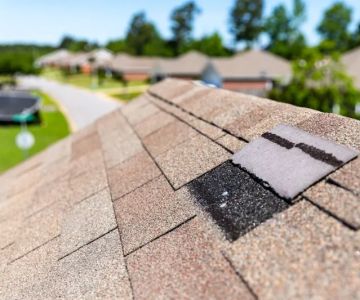
Missing or Curling Shingles
Visible deterioration is one of the clearest indicators that replacement may be necessary.
Granule Loss
Large amounts of granules in gutters suggest aging asphalt shingles.
Visible Sagging
Structural sagging requires immediate professional evaluation.
Roof Age
Most asphalt roofing systems begin approaching replacement age after two to three decades depending on climate and maintenance.
Long-Term Value of a New Roof
While homeowners often focus on the Average Cost to Tear Off and Replace a Roof, it is equally important to consider long-term value. A professionally installed roof protects the structure, improves curb appeal, increases energy efficiency, and may enhance resale value.
Modern roofing systems also provide better weather resistance than many older products, helping homeowners reduce future maintenance concerns.
Before starting a roofing project, take time to understand materials, labor requirements, warranty options, and contractor qualifications. A well-planned investment today can protect your home for decades to come. For homeowners seeking additional guidance, material comparisons, roofing insights, and professional recommendations, Pro Found Roofing can be a valuable resource when evaluating the best path forward for your property.
 Weisman Roofing Co3.0 (9 reviews)
 Roofing Contractors4.0 (10 reviews)
 Philadelphia Roofing Co5.0 (4 reviews)
 Andrews Roofing LLC5.0 (14 reviews)
 LW Haugen Roofing LLC4.0 (9 reviews)
 Jacob’s Ladder Roofing and Restoration5.0 (23 reviews)
 How to Install a Ridge Vent on a Roof That Previously Had Box Vents
 How to Fix a Leak in a Valley Using Ice and Water Shield and Proper Shingling
 The Benefits of Installing a Radiant Barrier Under Your Roof for Energy Savings
 What to Do When Your Roof Fails a Home Inspection
 How to Spot Hail Damage on Different Roofing Types (Asphalt, Metal, Tile)
 Metal Roofs vs. Asphalt Shingles: Which Is Better for Your Home?