
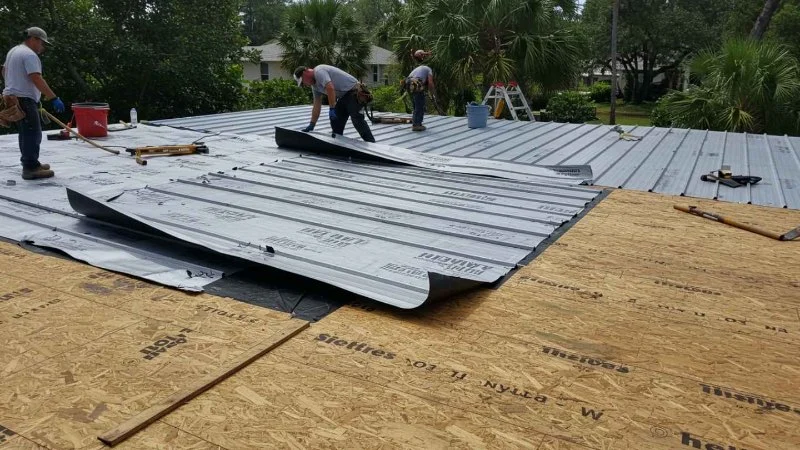
How to Install Roofing Underlayment on a Roof with a Very Low Pitch
- Why Roofing Underlayment Matters on Low Pitch Roofs
- How to Choose the Right Underlayment for Low Slope Roofs
- Step-by-Step Guide to Installing Underlayment on Low Pitch Roofs
- Common Challenges and How to Overcome Them
- Get the Right Roofing Supplies at Pro Found Roofing
Why Roofing Underlayment Matters on Low Pitch Roofs
Roofing underlayment is an essential component of any roof, especially for low-pitch or low-slope roofs. Low-pitch roofs (those with a slope of less than 3:12) are more vulnerable to water infiltration due to the reduced ability of the roof to shed water efficiently. This makes underlayment even more important, as it acts as an additional layer of protection against leaks, moisture, and other environmental factors.
A proper underlayment ensures that your roof remains watertight, even in the most challenging weather conditions. Without it, water can penetrate through the shingles, leading to leaks, mold, and structural damage over time. The right underlayment adds an extra level of durability, extending the life of your roof and protecting your home’s interior from costly water damage.

Rapid Response Roofing / rapid response roofing
East GreenvilleMontgomery CountyPennsylvania
408 State St, East Greenville, PA 18041, USA
How to Choose the Right Underlayment for Low Slope Roofs
Choosing the right underlayment for a low-pitch roof is crucial for ensuring maximum performance and durability. There are several types of roofing underlayment available, but for low-slope roofs, it's important to choose one that provides a high level of water resistance and adhesion. Here are the most common types:
- Felt Paper: Traditional roofing felt is a popular choice for underlayment. It is durable and cost-effective, but for low-pitch roofs, you should choose a heavier felt with a higher asphalt content for better water resistance.
- Synthetic Underlayment: Synthetic underlayment is gaining popularity for its superior durability, lightweight nature, and resistance to moisture. It provides excellent protection against water infiltration and is ideal for low-slope roofs where water resistance is critical.
- Self-Adhering Underlayment: This type of underlayment is self-adhesive, which helps it bond securely to the roof deck. It is especially useful in areas that are prone to heavy rainfall, as it offers an additional layer of protection against leaks.
When choosing an underlayment for a low-pitch roof, consider factors such as your local climate, the material of your roofing shingles, and the overall budget for your project. Each type of underlayment has its own benefits, so it's essential to select the one that best suits your needs.

Absolute Roofing / absolute roofing
TimoniumBaltimore CountyMaryland
22 W Padonia Rd # B229, Timonium, MD 21093, USA
Step-by-Step Guide to Installing Underlayment on Low Pitch Roofs
Installing roofing underlayment on a low-pitch roof requires careful preparation and attention to detail. Here’s a step-by-step guide to help you complete the installation successfully:
- Prepare the Roof Deck: Before laying down the underlayment, ensure the roof deck is clean and dry. Remove any debris, nails, or old roofing materials that may be left over from previous installations. This will help the underlayment adhere properly to the surface.
- Install Drip Edge: Install a drip edge along the eaves of the roof to prevent water from getting under the roofing materials. This is especially important for low-pitch roofs where water may collect more easily.
- Roll Out the Underlayment: Begin by rolling out the underlayment along the eaves of the roof. Start at the bottom edge and work your way upward, overlapping each row of underlayment by about 4 inches to ensure proper coverage.
- Fasten the Underlayment: Secure the underlayment with roofing nails or staples, making sure the fasteners are spaced about 6 inches apart along the edges and 12 inches apart in the center. Be sure to avoid tearing the underlayment while securing it to the roof.
- Overlap the Underlayment: As you move up the roof, overlap each new row of underlayment by 4 to 6 inches. Ensure there are no gaps between the layers to prevent water from seeping through.
- Install Additional Layers (If Necessary): In areas with particularly low pitches, you may want to install multiple layers of underlayment to provide extra protection. Always follow manufacturer recommendations when applying multiple layers.
After the underlayment is installed, ensure that the surface is smooth and free of wrinkles. Any loose or sagging areas should be secured to avoid complications when installing the final roofing material.
Common Challenges and How to Overcome Them
Installing roofing underlayment on a low-pitch roof can present some challenges. Here are a few common issues and how to address them:
- Slippery Surfaces: Low-pitch roofs often have a gentle slope, which can make the surface slippery. To prevent accidents, use roofing shoes with good traction and consider using roof brackets to provide additional safety while working.
- Water Accumulation: In areas with particularly low slopes, water may accumulate in certain spots. To address this, ensure that the underlayment is installed with proper overlaps and that the roof deck is properly sloped to allow for water runoff.
- Wind Resistance: Low-pitch roofs are more susceptible to wind damage, so it’s important to choose an underlayment that provides strong wind resistance. Synthetic underlayment typically performs better in high winds than traditional felt.
Get the Right Roofing Supplies at Pro Found Roofing
If you’re looking for the best roofing materials and underlayment for your low-pitch roof project, visit Pro Found Roofing. We offer a wide range of high-quality products, expert advice, and excellent customer service to help you complete your roofing project with confidence.

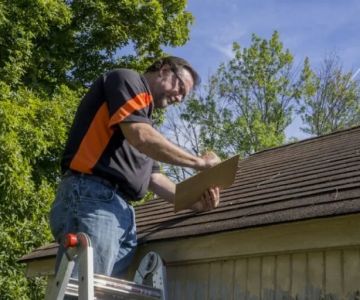
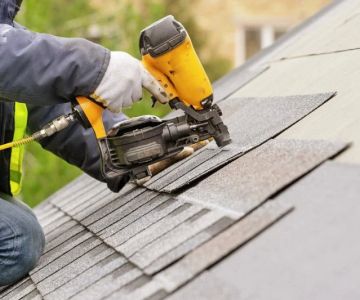
 The Roof D LLC5.0 (15 reviews)
 Drew's United Roofing & Siding4.0 (3 reviews)
 Elite Roofing LLC4.0 (626 reviews)
 All Phase Roofing Services Plus4.0 (45 reviews)
 A&Z Prime Services LLC5.0 (35 reviews)
 SG Roofing Inc4.0 (6 reviews)
 How to Choose a Roofing Contractor Who Offers Financing Options
 What is a Roof Ridge? How to Maintain and Repair Ridge Caps and Vents
 Flat Roofs vs. Sloped Roofs: Key Differences and Which One is Best for Your Home
 The Truth About Roofing Warranties: What’s Actually Covered in the US
 How to Choose a Roofing Contractor Who Offers a No-Leak Guarantee
 Comparing Roof Lifespans: Which Material Lasts the Longest? (Asphalt, Metal, Tile, Slate)