- 1. Introduction to Roof Rot
- 2. Common Causes of Roof Rot
- 3. Key Signs of Roof Rot to Look Out For
- 4. How to Prevent Roof Rot
- 5. What to Do if You Spot Roof Rot
1. Introduction to Roof Rot
Roof rot is a common but serious issue for homeowners, especially in regions with heavy rainfall or high humidity. Left untreated, roof rot can lead to structural damage, leaks, and costly repairs. Understanding how to spot the early signs of roof rot is crucial to preventing long-term damage to your home. In this guide, we’ll walk you through the causes of roof rot, how to spot the early warning signs, and the best ways to prevent it.

JK Contractors / jk roofing
West BendOzaukee CountyWisconsin
3058 County Rd Y, West Bend, WI 53095, USA
2. Common Causes of Roof Rot
Roof rot occurs when moisture penetrates your roofing materials and creates an environment for mold and mildew to grow. Over time, this moisture can weaken the structural integrity of your roof, leading to rotting wood and other materials. Here are some common causes of roof rot:

Absolute Roofing / absolute roofing
TimoniumBaltimore CountyMaryland
22 W Padonia Rd # B229, Timonium, MD 21093, USA
Water Leaks
One of the most common causes of roof rot is a water leak. Leaks can occur due to damaged shingles, cracked flashing, or worn-out seals around vents and chimneys. Even a small leak can lead to moisture buildup, which promotes the growth of mold and fungi.
Improper Ventilation
Poor ventilation in your attic can trap heat and moisture, creating an ideal breeding ground for mold and mildew. This trapped moisture can gradually seep into the roofing structure, causing the wood to weaken and rot.
Old or Worn Roofing Materials
Over time, roofing materials naturally degrade. Aging shingles, deteriorating underlayment, and rusted metal can all allow water to infiltrate the roof and cause rot. Regular inspections are crucial for identifying these issues early on.
3. Key Signs of Roof Rot to Look Out For
Recognizing the early signs of roof rot is essential to preventing further damage. Here are some key indicators to watch for:
Discolored or Water Stained Ceilings
If you notice water stains or discoloration on your ceiling, it's a clear sign that water has penetrated the roof. This could indicate a leak that has allowed moisture to reach the interior, leading to rot in the underlying wood.
Soft or Spongy Roof Decking
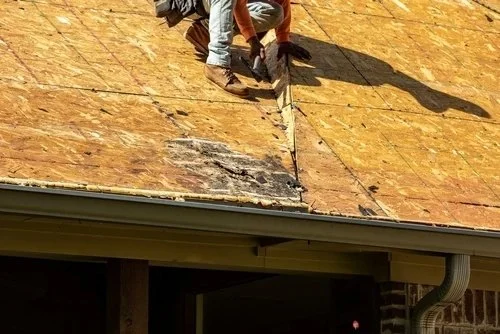
If your roof feels soft or spongy when walked on, this may be a sign that the decking underneath is rotting. Roof decking is essential for the structural integrity of your roof, and any soft spots should be inspected by a professional immediately.
Visible Mold or Mildew
Mold and mildew thrive in damp, warm environments, and their presence on the underside of your roof or attic is a clear sign of moisture issues. These growths can lead to rot if not addressed quickly.
Rotting Wood or Musty Odors
A strong musty smell or visible signs of rotting wood on your roof’s underside are clear indicators of roof rot. This is especially concerning if the rot is extensive, as it can compromise the roof's structural integrity.
4. How to Prevent Roof Rot
Prevention is always better than cure. Taking proactive steps to prevent roof rot can save you from expensive repairs down the line. Here are some tips for keeping your roof in top shape:
Regular Roof Inspections
Schedule regular roof inspections, especially after heavy storms or long periods of rain. A professional roofer can identify and address minor issues before they become major problems.
Ensure Proper Ventilation
Ensure your attic is properly ventilated to prevent moisture buildup. Installing soffit vents and ridge vents can help air circulate, preventing excess moisture that can lead to rot.
Maintain Gutters and Downspouts
Clogged gutters and downspouts can lead to water pooling on your roof, increasing the risk of rot. Clean your gutters regularly and ensure water flows freely away from your home.
Use Quality Roofing Materials
Invest in high-quality roofing materials that are resistant to wear and tear. Modern materials, such as architectural shingles, are designed to last longer and provide better protection against water infiltration.
5. What to Do if You Spot Roof Rot
If you spot the signs of roof rot, it’s important to act quickly to minimize damage. Here’s what to do:
Call a Professional Roofing Contractor
Contact a professional roofing contractor to assess the extent of the damage. They can determine whether roof repair or replacement is necessary and provide an estimate for the work.
Consider Roof Replacement
If the rot is extensive, roof replacement may be the best option. A new roof will not only prevent further damage but also increase the overall value of your home.
Address Moisture Issues Immediately
Once the rot has been addressed, take steps to prevent future moisture buildup. This may involve improving attic ventilation, repairing leaks, and maintaining your gutters and downspouts.

 Northwest Roof Service Inc.4.0 (29 reviews)
 D.S. Bahr Construction, Inc.5.0 (14 reviews)
 Square One Solutions4.0 (73 reviews)
 UE Construction & Roofing5.0 (64 reviews)
 New Era Roofing, LLC4.0 (44 reviews)
 Spring Valley Contracting, LLC0.0 (0 reviews)
 What to Do When Your Roof Fails a Home Inspection: Smart Next Steps
 How Long Does Roof Installation Take? Timeline Explained
 DIY Roof Repair Tips: Safely Fix Roof Issues Yourself
 How to Identify and Repair Damage from an Animal That Has Died in the Attic
 The Hidden Dangers of a Leaking Roof: Mold, Rot, and Structural Damage
 How to Install Roofing Underlayment on a Low-Slope or Flat Roof