- 1. What Is Synthetic Roofing Underlayment?
- 2. Key Benefits of Synthetic Roofing Underlayment
- 3. Different Types of Synthetic Roofing Underlayment
- 4. How to Install Synthetic Roofing Underlayment
- 5. Is Synthetic Roofing Underlayment Worth the Cost?
- 6. Best Synthetic Roofing Underlayment Brands
1. What Is Synthetic Roofing Underlayment?
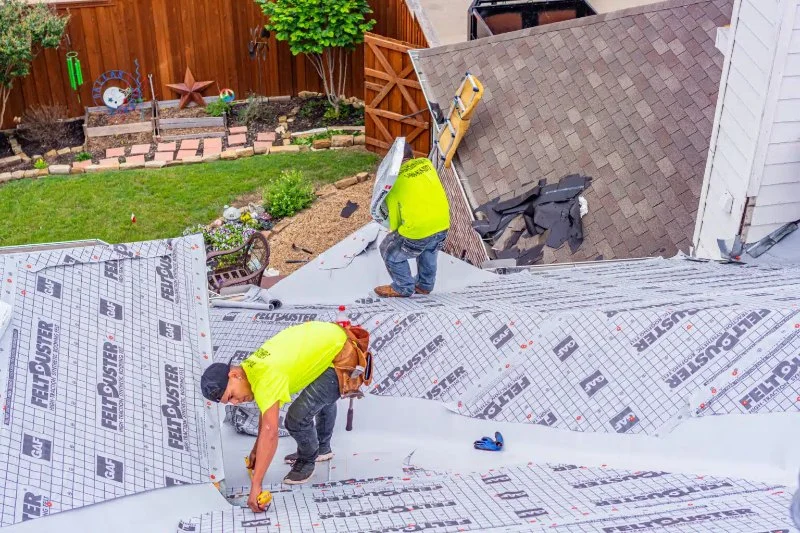
Synthetic roofing underlayment is a modern alternative to traditional felt underlayment used in roofing systems. Made from advanced materials like polypropylene or polyester, synthetic underlayment is designed to provide superior protection for your roof. It acts as a waterproof barrier between your roof decking and the shingles, helping to prevent water damage, mold, and other environmental threats. Unlike traditional felt, synthetic underlayment is lighter, stronger, and more durable, making it a popular choice for many homeowners and roofing professionals.

Holden Roofing (Houston Corporate) / holden roofing
RosenbergFort Bend CountyTexas
2128 1st St, Rosenberg, TX 77471, USA
2. Key Benefits of Synthetic Roofing Underlayment
There are several reasons why synthetic underlayment is becoming the preferred choice for roofing systems:
- Superior Durability: Synthetic roofing underlayment is designed to be much stronger and more durable than traditional felt. It is resistant to tears, punctures, and abrasions, making it more resilient to harsh weather conditions.
- Water Resistance: Synthetic underlayment provides excellent waterproofing, offering superior protection against rain and snow. It prevents water from penetrating the roof deck, reducing the risk of mold and mildew buildup.
- Lightweight and Easy to Handle: Unlike traditional felt underlayment, which can be heavy and difficult to work with, synthetic underlayment is lighter and easier to install, saving both time and labor costs during installation.
- UV Protection: Many synthetic underlayments offer built-in UV protection, allowing them to withstand prolonged exposure to the sun before the roof covering is installed.
- Enhanced Breathability: Synthetic underlayment allows for better airflow and moisture control, reducing the risk of condensation in the attic, which could otherwise lead to rot and structural damage.
These benefits make synthetic roofing underlayment an excellent choice for homeowners looking for long-lasting, high-performance roofing protection.

SB Pro Roofing / sb pro roofing
Pinellas ParkPinellas CountyFlorida
6358 49th St N, Pinellas Park, FL 33781, USA
3. Different Types of Synthetic Roofing Underlayment
Synthetic roofing underlayment comes in different types, each with its own unique set of features. The three main categories include:
- Woven Synthetic Underlayment: Woven synthetic underlayment is made from polypropylene or polyester fibers woven together to create a strong, durable material. It is highly resistant to tearing and punctures and is often used in areas with extreme weather conditions.
- Non-Woven Synthetic Underlayment: Non-woven synthetic underlayment is made from a blend of synthetic materials that are bonded together to form a single sheet. This type is often more flexible and lighter than woven underlayment but still offers great protection against moisture and UV damage.
- Self-Adhering Synthetic Underlayment: Self-adhering synthetic underlayment has a sticky backing that adheres directly to the roof deck. This type of underlayment provides excellent water resistance and is often used in areas where additional protection against leaks is needed, such as along roof valleys or eaves.
Choosing the right type of synthetic underlayment depends on the specific needs of your roof, including the climate, roof pitch, and the type of roofing material used.
4. How to Install Synthetic Roofing Underlayment
Installing synthetic roofing underlayment is a relatively simple process. Here’s a step-by-step guide on how to install it:
- Prepare the Roof Deck: Ensure the roof deck is clean, dry, and free of debris before installing the underlayment.
- Lay the First Layer: Begin at the lowest point of the roof and roll out the first layer of synthetic underlayment. Secure it with roofing nails, making sure the edges overlap to prevent water from seeping through.
- Continue Laying Layers: Continue to roll out and secure subsequent layers of underlayment, overlapping each layer by at least 6 inches to ensure maximum coverage.
- Trim Edges: Once the entire roof is covered, trim the edges of the underlayment to fit the roof edges and gables.
- Install the Roofing Material: Once the underlayment is securely in place, you can begin installing the roofing shingles or tiles over the underlayment.
Installation should be done with care to ensure the underlayment is properly sealed, which will provide optimal protection against moisture and the elements.
5. Is Synthetic Roofing Underlayment Worth the Cost?
While synthetic roofing underlayment may cost more upfront than traditional felt underlayment, its durability, performance, and long-term benefits make it a wise investment. Synthetic underlayment can save you money over time by extending the lifespan of your roof, reducing the need for repairs, and improving the energy efficiency of your home. Additionally, the ease of installation and reduced labor costs make synthetic underlayment an attractive option for both homeowners and roofing contractors.
6. Best Synthetic Roofing Underlayment Brands
If you’re considering synthetic roofing underlayment for your roofing project, here are some of the best brands to consider:
- GAF Tiger Paw: Known for its durability and excellent waterproofing properties, GAF Tiger Paw is a popular choice for both residential and commercial roofing projects.
- CertainTeed DiamondDeck: CertainTeed’s DiamondDeck underlayment offers excellent resistance to UV rays, water, and tears, making it a great choice for high-performance roofing systems.
- Owens Corning ProArmor: Owens Corning’s ProArmor underlayment is highly rated for its ease of installation and long-lasting protection against the elements.
- Tyvek Protec 120: Tyvek Protec 120 is known for its high tensile strength and water resistance, making it ideal for protecting roofs in extreme weather conditions.
For more information on the best synthetic roofing underlayment for your project, visit【Pro Found Roofing】to explore top-quality products and services that meet your needs.


 Q17 Roofing4.0 (42 reviews)
 Delta Roofing, LLC5.0 (11 reviews)
 WNC Roofing5.0 (9 reviews)
 Beam Building0.0 (0 reviews)
 Argo Roofing Co5.0 (2 reviews)
 Blaize Over The Top Roofing5.0 (3 reviews)
 How to Prevent Roof Damage from Nesting Birds and Their Droppings
 How to Install Step Flashing on a Roof to Wall Intersection
 How to Fix a Leaking Roof Around a Chimney: Step-by-Step Flashing Repair | Pro Found Roofing
 How to Safely Remove Moss and Algae from Your Roof
 How to Spot Early Signs of Roof Damage Before It’s Too Late
 How Solar Panels Affect Your Roof: Key Considerations You Should Know