
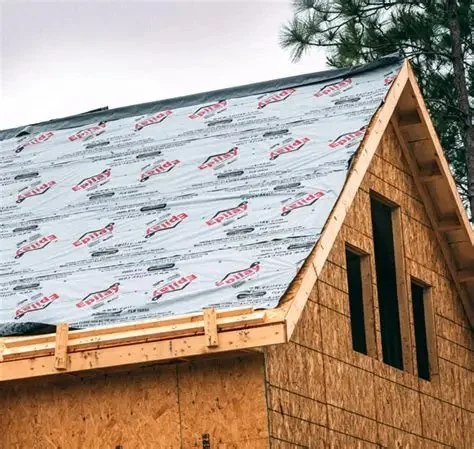
What Is Synthetic Roofing Underlayment?
Synthetic roofing underlayment is a modern material used as a protective layer under roofing shingles. It serves as an essential component in roofing systems, offering enhanced protection against the elements, including water, wind, and UV damage. Unlike traditional felt underlayment, synthetic materials offer superior durability, resistance, and ease of installation. This article will explore the benefits of synthetic roofing underlayment, how it compares to felt, and why it’s becoming the preferred choice for homeowners and contractors alike.
- Advantages of Synthetic Roofing Underlayment
- How Synthetic Roofing Underlayment Works
- Synthetic vs Felt Underlayment
- Best Uses for Synthetic Roofing Underlayment
- Installation of Synthetic Roofing Underlayment
Advantages of Synthetic Roofing Underlayment
Synthetic roofing underlayment offers several advantages over traditional felt underlayment. Here are some of the top reasons why synthetic options are becoming more popular:
Durability
Synthetic underlayment is much more durable than traditional felt. Made from plastic or fiberglass, it resists tearing, puncturing, and wear better than felt. This makes it ideal for protecting your home from water infiltration, especially in areas where extreme weather conditions are common.
Weather Resistance
Unlike felt underlayment, synthetic materials are highly resistant to moisture. They don’t absorb water, which reduces the risk of mold or mildew growth. Additionally, many synthetic underlayment products are UV-resistant, ensuring they won’t degrade when exposed to sunlight during installation.
Lightweight and Easy to Handle
Synthetic underlayment is typically much lighter than traditional felt. This makes it easier to handle and install, reducing labor time and potential hazards during installation. Its lighter weight also means less strain on the roof structure.
Long-Term Protection
Because of its durability, synthetic roofing underlayment provides better long-term protection. It helps extend the lifespan of your roofing materials by acting as a shield against wind-driven rain, snow, and ice, keeping your roof deck safe from water damage.
How Synthetic Roofing Underlayment Works
Synthetic roofing underlayment acts as a secondary barrier against water, wind, and debris that can enter the home through small openings in the roof. It’s installed beneath the shingles and other roofing materials to provide an extra layer of protection. The underlayment is typically fastened to the roof deck using staples, nails, or adhesive, and it’s designed to shed water while preventing moisture from getting to the roof structure.
Water Resistance
Synthetic underlayment is designed to repel water, preventing it from seeping through to the roof decking. This water-resistant feature helps safeguard your roof from leaks caused by rain or melting snow. Additionally, synthetic materials are often equipped with a textured surface that enhances grip and helps the shingles stay in place, preventing them from being lifted by wind.
Protection from Wind
In areas where high winds are common, synthetic underlayment adds an extra layer of protection by helping to prevent shingles from blowing off. Many synthetic underlayments are designed with wind-resistant features that secure your roof even in extreme weather conditions.
Synthetic vs Felt Underlayment
While both synthetic and felt underlayments serve the same general purpose, there are notable differences between the two. Here’s a breakdown of how they compare:
Cost
Felt underlayment is generally less expensive than synthetic underlayment, which may make it an attractive option for homeowners on a budget. However, while synthetic underlayment costs more upfront, it often provides better long-term value due to its superior durability and resistance to weather-related damage.
Durability Comparison
Felt underlayment tends to break down more quickly than synthetic options. Felt is more susceptible to tears, rips, and water damage over time, whereas synthetic underlayment maintains its integrity and resists wear and tear much better. Synthetic materials can last for decades, while felt may need to be replaced sooner.
Moisture Resistance
Felt underlayment tends to absorb moisture, which can lead to mold growth and reduced effectiveness in preventing leaks. Synthetic underlayment, on the other hand, doesn’t absorb water, providing superior moisture resistance and protecting the roof structure more effectively.
Best Uses for Synthetic Roofing Underlayment
Synthetic underlayment is ideal for use in a variety of roofing applications. Its benefits make it well-suited for both residential and commercial roofing projects. Here are some of the best uses:
High-Wind Areas
If you live in an area that experiences frequent storms or high winds, synthetic underlayment is a great choice. Its superior wind resistance helps keep your roof secure during extreme weather conditions, protecting both the roof and the interior of your home.
Snow and Ice-Prone Areas
Homes in cold climates that experience heavy snow and ice will benefit from synthetic underlayment’s moisture resistance. Synthetic materials shed water more effectively, preventing ice dams and leaks from forming beneath shingles.
Energy Efficiency
Some types of synthetic underlayment are designed with reflective coatings that help improve a home’s energy efficiency by reducing heat absorption. This can be particularly beneficial in warmer climates, helping to maintain a more comfortable temperature inside the home and reduce energy costs.
Installation of Synthetic Roofing Underlayment
Installing synthetic roofing underlayment is a straightforward process, but it requires attention to detail to ensure a secure and effective installation. Here are the basic steps involved:
Preparation
Before installing synthetic underlayment, make sure the roof deck is clean and free from debris. Any nails or sharp objects should be removed to prevent damage to the underlayment.
Unrolling and Aligning
The synthetic underlayment is unrolled horizontally along the roof, starting at the eaves. It should be aligned properly to ensure that each layer overlaps the previous one by about 6 to 8 inches. This overlap helps prevent water from seeping through seams.
Securing the Underlayment
The underlayment is secured using nails or staples. Ensure that the underlayment is fastened tightly to the roof deck to prevent shifting or movement during installation.
Conclusion
Synthetic roofing underlayment offers a superior alternative to traditional felt underlayment, providing enhanced durability, weather resistance, and long-term performance. While it may cost more upfront, its benefits far outweigh the additional expense, especially in high-wind or moisture-prone areas. By understanding its advantages and choosing the right product for your roofing project, you can ensure your home is protected from the elements for years to come. If you're considering roofing repairs or replacements, be sure to explore the best synthetic underlayment options available.




 Rhino Roofing and General Contracting, LLC4.0 (74 reviews)
 Exceptional Exteriors | Roofing Contractors | CHICAGO ILLINOIS5.0 (35 reviews)
 RoofAid USA5.0 (14 reviews)
 Maverick Roofing5.0 (3 reviews)
 Havoc Roofing & Outdoor Living4.0 (44 reviews)
 Triple R Roofing & Siding4.0 (38 reviews)
 How to Inspect Your Roof for Damage After a Hailstorm | Pro Found Roofing
 How Roofing Affects Home Resale Value | Pro Found Roofing
 How Hail Damage Affects Your Roof's Lifespan and Performance Over Time
 How to Choose a Roofing Contractor Who Offers a No-Leak Guarantee
 How to Get Your Roof Ready for Spring: Post-Winter Inspection and Maintenance
 How to Safely Remove Moss and Algae from Your Roof | Cleaning and Prevention Tips