
Common Roof Installation Mistakes That Lead to Leaks
- Common Mistakes in Roof Installation
- Proper Techniques to Prevent Leaks
- Impact of Roof Installation Errors
- Real-Life Case: A Roof Installation Disaster
- Prevention Tips for Long-Lasting Roofs
Common Mistakes in Roof Installation
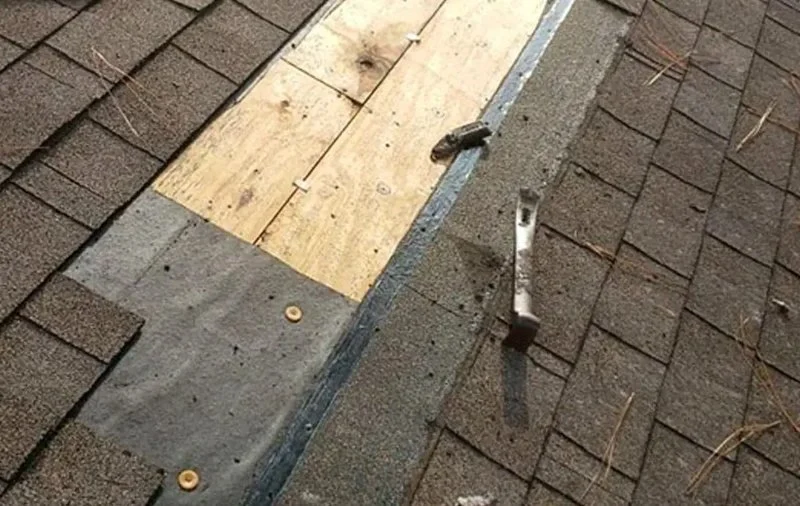
When installing a roof, it’s easy for contractors or DIYers to make mistakes that can lead to leaks down the line. Here are some of the most common errors:
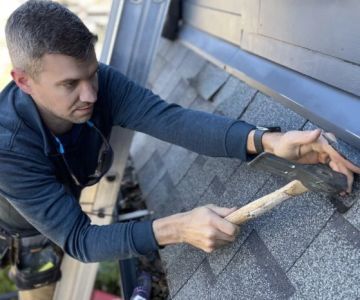
- Poor Flashing Installation: Flashing is essential for directing water away from critical areas like valleys and joints. Improper installation can lead to water seeping into your home, causing significant damage over time.
- Improper Nailing: Nails should be placed at the right angle and depth. Too shallow or too deep can compromise the shingles’ integrity, leaving them vulnerable to wind and rain.
- Inadequate Ventilation: Proper attic ventilation helps regulate temperature and moisture levels. Without it, your roof could experience premature aging, leading to leaks from trapped moisture.
- Skipping Underlayment: Underlayment is a critical layer that protects your roof deck from water infiltration. Neglecting this layer can lead to leaks, especially in areas prone to heavy rain.
Proper Techniques to Prevent Leaks
By using the correct installation techniques, you can avoid the common mistakes mentioned above and build a roof that stands the test of time. Here’s how to ensure your roof installation is done right:
- Install Flashing Correctly: Flashing should be installed in areas where the roof meets walls, chimneys, or vents. It must be properly sealed to prevent water from getting behind the shingles.
- Follow Manufacturer Guidelines: Always follow the manufacturer’s instructions when installing roofing materials. These guidelines are designed to ensure the longevity of the roof and prevent issues like leaks.
- Ensure Proper Ventilation: Make sure your attic has sufficient ventilation by installing intake and exhaust vents. This will help regulate temperatures and prevent the build-up of moisture.
- Use High-Quality Materials: Choose roofing materials that are durable and suited to your climate. This will ensure your roof remains leak-free for years.
Impact of Roof Installation Errors
The consequences of poor roof installation can be severe. Here’s how common mistakes can lead to leaks and more serious damage:
- Water Damage: Leaks from poor flashing, improper nailing, or inadequate underlayment can lead to water damage inside the home. This can ruin insulation, ceilings, and walls, leading to costly repairs.
- Structural Issues: If moisture is allowed to enter the roof system, it can weaken the structure over time, leading to sagging or even roof collapse in extreme cases.
- Increased Energy Bills: Poor ventilation or inadequate underlayment can lead to trapped heat in the attic, increasing your energy costs due to reduced insulation efficiency.
Real-Life Case: A Roof Installation Disaster
In a case study from Texas, a homeowner experienced multiple leaks in their new roof just months after installation. Upon investigation, it was found that the roofing contractor had improperly installed flashing around the chimney, leaving it vulnerable to water infiltration. This error led to water damage in the attic and ceilings below. The homeowner had to pay for costly repairs, highlighting the importance of getting the roof installation right the first time.

Gunner Roofing / gunner roofing
CromwellLower Connecticut River Valley Planning RegionConnecticut
700 Corporate Row, Cromwell, CT 06416, USA
Prevention Tips for Long-Lasting Roofs
To ensure your roof lasts for decades without leaks, here are some final prevention tips:
- Regular Roof Inspections: Have your roof inspected annually by a professional to catch any potential issues before they turn into leaks.
- Choose a Reputable Contractor: Always hire experienced and reputable roofing contractors. Check reviews, verify certifications, and ensure they have a proven track record of quality work.
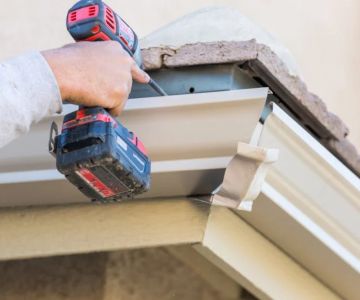
- Maintain Your Roof: Clean gutters regularly, remove debris from the roof, and replace damaged shingles promptly to keep your roof in good condition.

 5 Star Exteriors4.0 (170 reviews)
 InstaSeal Commercial Roofing LLC5.0 (16 reviews)
 ATD Roofing4.0 (307 reviews)
 Unique Roofing LLC.4.0 (42 reviews)
 APS Roofing4.0 (35 reviews)
 DSquared Building4.0 (45 reviews)
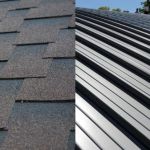 Asphalt Shingles vs. Metal Roofing: A Complete Comparison of Cost, Durability, and Style
 What is a Roofing Warranty? Understanding Manufacturer vs. Contractor Warranties
 Metal Roofs vs. Asphalt Shingles: Which Is Better for Your Home?
 How to Install Ice and Water Shield on Entire Roof Deck for Maximum Protection
 Best Roofing Brands of 2026: Reliable, Durable, and Affordable
 Roof Ventilation Problems: Signs, Solutions, and Cost