
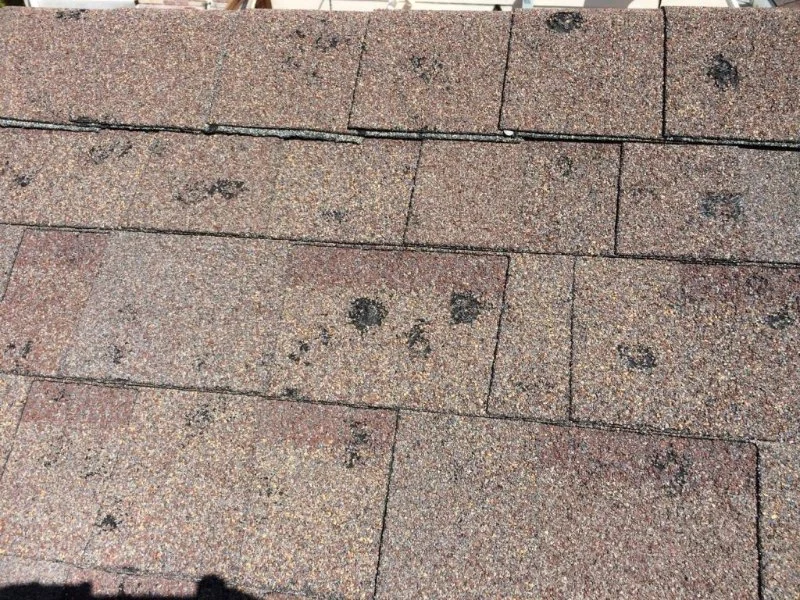
- 1 - Understanding hail damage on roofs
- 2 - Preparing for a ground inspection
- 3 - Visual signs of hail damage
- 4 - Using optical tools for better visibility
- 5 - Examining roof materials and shingles
- 6 - Checking gutters and surrounding areas
- 7 - Photographing and documenting damage
- 8 - Knowing when to call professionals
- 9 - Insurance and claims considerations
- 10 - Pro Found Roofing recommendations and resources
1 - Understanding hail damage on roofs
What hail damage looks like
Hail damage occurs when hailstones strike the roof surface, potentially causing bruises, cracks, or even punctures in shingles. The size of the hail, roof angle, and material type all influence the severity of the damage. Understanding these factors helps homeowners identify signs without needing to climb onto the roof.

Absolute Roofing / absolute roofing
TimoniumBaltimore CountyMaryland
22 W Padonia Rd # B229, Timonium, MD 21093, USA
Impact on roof lifespan
Even minor hail damage can shorten the lifespan of your roof. Repeated strikes may weaken shingles, leading to leaks or structural issues over time. Early detection from the ground can prevent small problems from turning into costly repairs.

Rapid Response Roofing / rapid response roofing
East GreenvilleMontgomery CountyPennsylvania
408 State St, East Greenville, PA 18041, USA
2 - Preparing for a ground inspection
Safety first
Inspecting your roof from the ground is safer than climbing onto it. Equip yourself with binoculars, a notepad, and a camera. Ensure you have a stable position to observe all angles of the roof without obstruction.
Timing your inspection
Conduct inspections after hail storms or during daylight with good visibility. Sunlight helps reveal shadows, dents, and discoloration caused by hail strikes, making damage more noticeable.
3 - Visual signs of hail damage
Shingle bruising and cracks
Bruises on asphalt shingles appear as dark spots or indentations. Look for granule loss or cracks along the edges. These signs indicate that the protective layer has been compromised, even if the shingles appear intact from a distance.
Dented flashing and vents
Metal elements such as flashing, vents, and gutters often show dents or marks after a hailstorm. These areas are easier to inspect from the ground and provide additional clues about the severity of the hail impact.
Displaced or missing shingles
Check for shingles that are visibly displaced or missing. While some shifts might be subtle, consistent patterns across the roof may indicate significant hail damage that requires professional evaluation.
4 - Using optical tools for better visibility
Binoculars for detail inspection
High-powered binoculars allow you to see small dents, cracks, or granule loss without climbing onto the roof. Scan systematically from the ground, moving slowly to cover the entire surface.
Drone or camera aids
If available, use a drone or high-resolution camera to capture overhead images. These tools can help you detect subtle damage that may not be visible from the ground, providing a comprehensive view of the roof.
5 - Examining roof materials and shingles
Asphalt shingles
Look for dark spots, granule loss, and cracking. Hail can cause the fiberglass mat within asphalt shingles to break, leading to small indentations visible from the ground with binoculars.
Metal roofs
Metal roofs often show visible dents or deformation from hailstones. Observe for irregularities, discoloration, or surface scratches that indicate impact.
Tile roofs
Tile roofs may crack or chip. Ground inspection focuses on missing or misaligned tiles, as these are signs of underlying hail damage that could affect water flow.
6 - Checking gutters and surrounding areas
Gutter debris analysis
Inspect gutters for accumulated granules or tile fragments. Large amounts of debris may indicate extensive hail damage, even if roof inspection shows minor visible impact.
Yard and nearby objects
Check for dents on outdoor furniture, cars, or landscaping. The size and distribution of these dents can help estimate hail intensity and the likelihood of roof damage.
7 - Photographing and documenting damage
Systematic photo documentation
Take clear, labeled photos of all suspected damage from multiple angles. Documentation helps track roof condition over time and provides evidence if insurance claims are necessary.
Creating an inspection report
Compile notes and images into a report. Include descriptions of observed damage, approximate locations, and any patterns noted across the roof. This helps professionals provide accurate assessments and recommendations.
8 - Knowing when to call professionals
Severity assessment
If you notice multiple damaged shingles, dents on metal flashing, or significant granule loss, it’s time to consult a professional roofing contractor. Professional evaluation ensures safety and accuracy in estimating repair needs.
Avoiding DIY pitfalls
Climbing on the roof without proper training can be dangerous and may worsen damage. Ground inspections paired with professional evaluation balance safety with thorough assessment.
9 - Insurance and claims considerations
Documenting evidence
Insurance companies often require photo documentation of hail damage. Properly collected images from your ground inspection support claims and help avoid disputes about coverage.
Understanding coverage
Review your homeowner’s insurance policy to understand coverage limits, deductibles, and filing procedures. Early notification after a storm improves the likelihood of timely claim approval.
10 - Pro Found Roofing recommendations and resources
Trusted inspection services
Pro Found Roofing provides reliable roof inspections and assessments after hailstorms. Their experienced professionals can verify ground observations and offer detailed repair recommendations.
Repair and maintenance guidance
From minor shingle repairs to full roof replacements, Pro Found Roofing advises homeowners on cost-effective solutions and long-term durability. Leveraging their expertise ensures a safe, high-quality repair process.
Educational resources
Pro Found Roofing offers educational guides, videos, and tips on how to maintain your roof, spot hail damage early, and prevent costly repairs. Utilizing these resources empowers homeowners to make informed decisions and protect their investment.



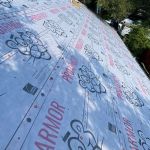 Monarch Roofing and Restoration LLC5.0 (1 reviews)
 Midwest Country Construction3.0 (5 reviews)
 Morales Roofing LLC4.0 (8 reviews)
 California Gothic LLC0.0 (0 reviews)
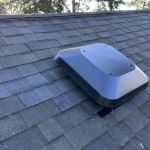 BEL-RED ROOFING LLC5.0 (5 reviews)
 Culbertson Construction4.0 (46 reviews)
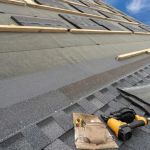 What is a Roofing Felt? Why Synthetic Underlayment is Becoming the New Standard
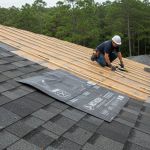 Roof Underlayment Types and Why They Matter | Pro Found Roofing
 The Average Cost of a Roof in California vs. Florida: Regional Price Differences
 Roof Repair vs Replacement Decision Checklist for Homeowners
 The True Cost of a Roof Replacement When You Also Need New Decking
 What is a Roofing Cricket? Why You Need One Behind a Large Chimney