
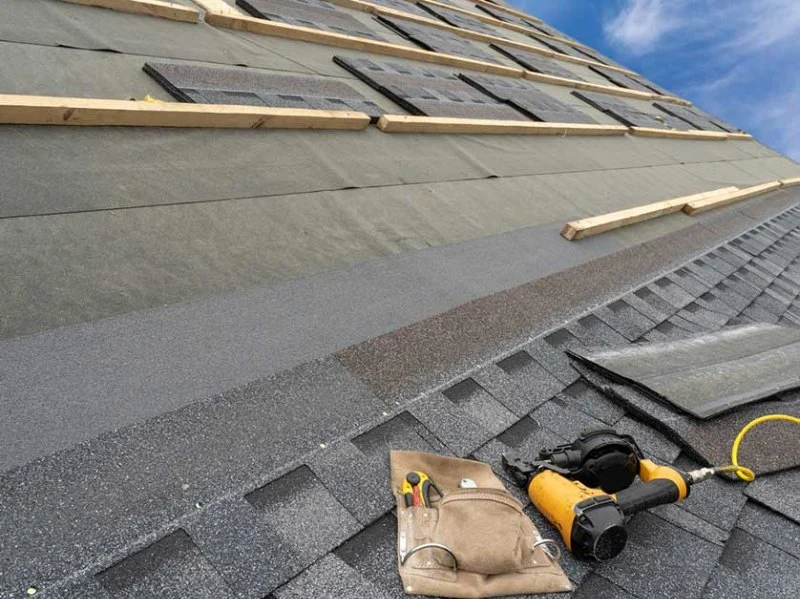
What is a Roofing Felt? Why Synthetic Underlayment is Becoming the New Standard
- 1. Understanding Roofing Felt and Its Importance
- 2. Advantages of Synthetic Underlayment Over Traditional Felt
- 3. Why Synthetic Underlayment is Becoming the New Standard
- 4. How to Choose the Right Underlayment for Your Roof
- 5. Installation Tips for Synthetic Underlayment
When it comes to roofing, one of the most important components that ensures the longevity and effectiveness of your roof is the underlayment. While traditional roofing felt has been the standard for many years, synthetic underlayment is rapidly gaining popularity. In this article, we’ll explain what roofing felt is, why synthetic underlayment is becoming the new standard, and how to choose the right material for your roofing project.
Victors Home Solutions / victors roofing
2722 E Michigan Ave suite 239, Lansing, MI 48912, USA
1. Understanding Roofing Felt and Its Importance
Roofing felt, also known as tar paper, is a layer of material that lies beneath the shingles or tiles of your roof. It acts as a barrier to protect the roof deck from moisture, wind, and extreme weather conditions. Typically made from a base of fiberglass or paper, roofing felt is coated with a layer of asphalt for waterproofing. While this material has been a trusted option for many years, it does have some drawbacks, such as its vulnerability to tearing, limited lifespan, and less durability when exposed to extreme weather.

JK Contractors / jk roofing
West BendOzaukee CountyWisconsin
3058 County Rd Y, West Bend, WI 53095, USA
2. Advantages of Synthetic Underlayment Over Traditional Felt
Synthetic underlayment is a newer type of roofing material that is made from polymer-based materials, often polypropylene or polyester. It offers several key advantages over traditional roofing felt, including:
- Superior Durability: Synthetic underlayment is much stronger and more durable than traditional felt. It is resistant to tearing, puncturing, and damage from foot traffic.
- Water Resistance: Unlike felt, which can absorb moisture, synthetic underlayment is hydrophobic, meaning it repels water. This helps prevent water from seeping into the roofing system.
- Lightweight and Easy to Install: Synthetic materials are lighter than roofing felt, making them easier to handle and install, especially during high winds or rainy weather.
- Longer Lifespan: Synthetic underlayment lasts much longer than traditional felt, offering superior performance for the duration of your roof’s life.
3. Why Synthetic Underlayment is Becoming the New Standard
As homeowners and contractors alike look for ways to improve the quality and lifespan of their roofs, synthetic underlayment is becoming the new industry standard. With its superior durability, water resistance, and longer lifespan, it is an easy choice for modern roofing projects. Additionally, synthetic underlayment is often lighter and easier to work with, which saves both time and labor costs during installation. As more roofing manufacturers and contractors adopt synthetic materials, the demand for traditional felt has decreased significantly.
Another important factor in the rise of synthetic underlayment is the growing demand for more sustainable building materials. Synthetic options are typically more environmentally friendly and can be recycled, unlike traditional asphalt-based felt, which is often not recyclable.
4. How to Choose the Right Underlayment for Your Roof
Choosing the right underlayment is crucial for ensuring your roof performs well and lasts as long as possible. When selecting the right material, consider the following factors:
- Climate: If you live in an area with extreme weather conditions, such as heavy rain, snow, or high winds, synthetic underlayment may be the better choice due to its water resistance and durability.
- Roof Pitch: The pitch or slope of your roof can affect the performance of the underlayment. Steeper roofs may require a more durable material, such as synthetic underlayment, to prevent water infiltration.
- Roof Type: Different roof types (e.g., asphalt shingles, metal roofing) may require specific types of underlayment. Always check with your roofing contractor to determine the best material for your roof type.
- Budget: While synthetic underlayment is often more expensive than traditional felt, its longer lifespan and durability make it a cost-effective choice in the long run.
5. Installation Tips for Synthetic Underlayment
Installing synthetic underlayment is relatively easy but should always be done according to manufacturer guidelines. Here are a few installation tips to keep in mind:
- Proper Alignment: Be sure to align the underlayment properly to avoid gaps. Overlap each row to ensure complete coverage.
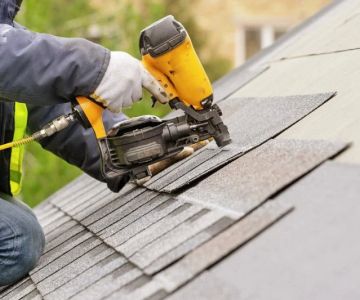
- Secure the Material: Use roofing nails or staples to secure the synthetic underlayment in place. Ensure that the material is taut but not overly stretched.
- Work in Dry Conditions: Install the underlayment during dry weather to avoid trapping moisture underneath the material.
- Follow Safety Guidelines: Always follow safety protocols when working on a roof, especially when installing underlayment in windy or wet conditions.
Choosing the right underlayment is an essential step in ensuring your roof’s long-term performance and durability. Whether you choose traditional roofing felt or switch to synthetic underlayment, make sure to consult with a professional roofing contractor to ensure proper installation. For high-quality roofing materials and expert advice, visit Pro Found Roofing.




 Legacy Roofing & Solar4.0 (170 reviews)
 Safeguard Roofing5.0 (503 reviews)
 J.A.M Building and Renovations5.0 (2 reviews)
 Silverstone Roofing4.0 (79 reviews)
 JD Roofing Solutions5.0 (66 reviews)
 Holladay Grace Roofing4.0 (80 reviews)
 The Best Roofing Materials for Homes in Tornado Alley
 The Signs of a Pest Infiltration Through Your Roof: Droppings and Noises
 How to Tell If Your Roof Was Installed Properly | Expert Roofing Tips
 Comparing Roof Lifespans: Which Material Lasts the Longest? (Asphalt, Metal, Tile, Slate)
 Top Questions to Ask Before Hiring a Roofing Company
 How to Choose the Best Roof Color for Energy Efficiency