
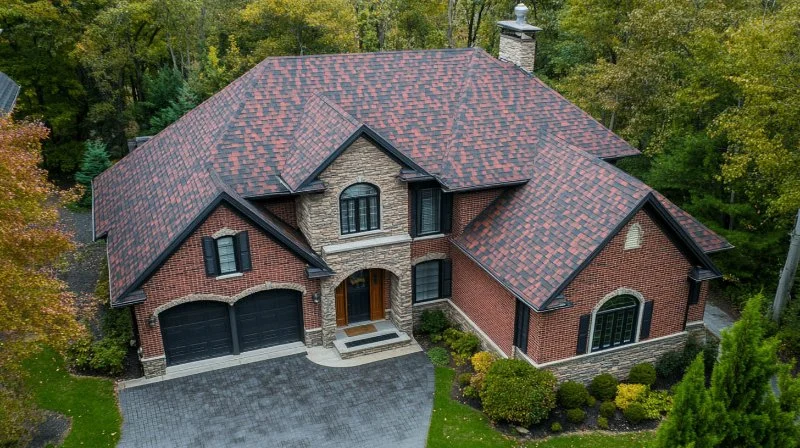
- #How-Roof-Color-Impacts-Energy-Efficiency
- #The-Science-Behind-Heat-Reflection-and-Absorption
- #Best-Roof-Colors-for-Energy-Savings
- #Climate-Considerations-When-Choosing-a-Roof-Color
- #Roofing-Materials-and-Their-Role-in-Energy-Performance
- #Real-World-Homeowner-Experiences
- #Balancing-Curb-Appeal-and-Energy-Efficiency
- #Common-Mistakes-Homeowners-Make
- #Long-Term-Financial-Benefits-of-Energy-Efficient-Roofs
- #Emerging-Trends-in-Cool-Roof-Technology
- #Professional-Roof-Selection-Tips
- #Expert-Recommendations-from-Pro-Found-Roofing
1. How Roof Color Impacts Energy Efficiency
Many homeowners spend countless hours choosing paint colors, flooring materials, and landscaping features, yet overlook one of the most important decisions affecting long-term energy costs: roof color. The color of a roof does much more than influence a home's appearance. It directly impacts how much heat the structure absorbs or reflects, which can significantly affect indoor comfort and utility bills.
In many regions of the United States, especially states with long, hot summers such as Texas, Arizona, Florida, Nevada, and Southern California, roof color can play a major role in reducing cooling costs. Choosing the best roof colors for energy savings can help homeowners maintain a more comfortable indoor environment while lowering strain on air conditioning systems.
Energy-efficient roofing has become increasingly important as energy prices continue to rise and homeowners seek practical ways to improve sustainability without sacrificing style.

Absolute Roofing / absolute roofing
TimoniumBaltimore CountyMaryland
22 W Padonia Rd # B229, Timonium, MD 21093, USA
1.1 Why Roof Color Matters More Than Many People Realize
The roof receives direct sunlight throughout the day. During summer afternoons, roof surface temperatures can exceed 150°F depending on the roofing material and color. Dark surfaces absorb a greater percentage of solar radiation, while lighter colors reflect more sunlight away from the home.
This difference in heat absorption affects attic temperatures, HVAC workloads, and overall household energy consumption.

Rapid Response Roofing / rapid response roofing
East GreenvilleMontgomery CountyPennsylvania
408 State St, East Greenville, PA 18041, USA
1.2 The Relationship Between Roof Temperature and Cooling Costs
When a roof absorbs excessive heat, that heat eventually transfers into the attic and living spaces below. As indoor temperatures rise, air conditioning systems must operate longer and harder to maintain comfortable conditions.
Reducing heat gain at the roof level often results in noticeable energy savings throughout the warmest months of the year.
2. The Science Behind Heat Reflection and Absorption
Understanding why certain roof colors perform better requires a basic understanding of solar reflectance and thermal emittance.
2.1 Solar Reflectance Explained
Solar reflectance refers to a material's ability to reflect sunlight away from its surface. Higher reflectance means less heat absorption.
Lighter roof colors typically have higher solar reflectance values than darker colors.
2.2 Thermal Emittance
Thermal emittance measures how efficiently a material releases absorbed heat back into the atmosphere.
A roof with both high reflectance and high thermal emittance generally delivers the best energy performance.
2.3 Why Color Alone Is Not the Entire Story
While color matters significantly, modern roofing technology has evolved considerably. Today's advanced roofing products can incorporate reflective granules, coatings, and specialized pigments that improve performance even in darker shades.
This means homeowners are no longer limited to bright white roofs if they want energy savings.
3. Best Roof Colors for Energy Savings
Not all roof colors perform equally when it comes to energy efficiency.
3.1 White Roofs
White remains the most reflective roofing color available.
Benefits Include:
1. Maximum sunlight reflection.
2. Lower attic temperatures.
3. Reduced cooling expenses.
4. Improved summer comfort.
White roofing is especially effective in hot southern climates where cooling costs dominate annual energy usage.
3.2 Light Gray Roofs
Light gray provides an attractive balance between energy performance and visual appeal. Many homeowners prefer light gray because it complements a wide range of exterior designs while still reflecting substantial solar radiation.
3.3 Beige and Tan Roofs
Beige and tan roofing colors are popular in southwestern regions. These colors blend naturally with desert landscapes while maintaining excellent energy efficiency characteristics.
3.4 Light Brown Roofs
Light brown roofing materials often offer strong curb appeal while performing significantly better than dark brown alternatives.
3.5 Cool-Colored Roof Systems
Modern cool roof technologies now allow manufacturers to produce darker-looking colors that still reflect a surprising amount of solar energy.
Special reflective pigments can improve efficiency without forcing homeowners to sacrifice their preferred aesthetic.
4. Climate Considerations When Choosing a Roof Color
The best roof colors for energy savings depend heavily on geographic location.
4.1 Hot Southern Climates
States with long cooling seasons generally benefit from lighter roofing colors.
Examples include:
1. Florida.
2. Texas.
3. Arizona.
4. Louisiana.
5. Southern California.
For these regions, maximizing solar reflection often produces measurable energy savings.
4.2 Mixed Climates
In regions experiencing both hot summers and cold winters, such as Missouri, Virginia, Tennessee, and North Carolina, moderate shades like light gray or beige often provide the best year-round balance.
4.3 Northern States
Historically, some homeowners believed dark roofs were always preferable in colder climates because they absorb heat during winter.
However, modern studies show that summer cooling demands often outweigh potential winter heating benefits. As a result, energy-efficient roofing remains beneficial in many northern locations as well.
5. Roofing Materials and Their Role in Energy Performance
Color is only one piece of the energy-efficiency puzzle.
5.1 Asphalt Shingles
Asphalt shingles remain America's most common roofing material. Many manufacturers now offer cool-roof shingle options designed to improve solar reflectance.
5.2 Metal Roofing
Metal roofing is highly reflective and can significantly reduce cooling costs when paired with appropriate coatings.
5.3 Clay and Concrete Tiles
These materials naturally provide insulation benefits due to their thermal mass and airflow characteristics.
5.4 Synthetic Roofing Systems
Advanced composite roofing products increasingly feature built-in reflective technologies that enhance energy performance.
6. Real-World Homeowner Experiences
Homeowners across the country have experienced noticeable benefits after upgrading to energy-efficient roof colors.
One family in Phoenix replaced a dark charcoal roof with a light beige cool-roof system. During the following summer, attic temperatures decreased significantly during peak afternoon hours. The homeowners reported that their air conditioning system cycled less frequently and indoor comfort improved throughout the second floor.
Similarly, a homeowner in Orlando upgraded from a traditional dark asphalt roof to a reflective light-gray roofing system. Within the first year, cooling expenses decreased enough to make a noticeable difference in monthly utility bills.
While results vary based on insulation, attic ventilation, and local climate, these experiences demonstrate how roof color can contribute to meaningful energy savings.
7. Balancing Curb Appeal and Energy Efficiency
Many homeowners worry that choosing an energy-efficient roof means compromising aesthetics.
Fortunately, modern roofing products provide a wide range of attractive options.
7.1 Matching Architectural Style
Colonial, Craftsman, Mediterranean, Ranch, and Modern homes all benefit from different roofing palettes.
The key is selecting shades that complement the home's exterior while maintaining strong reflective properties.
7.2 HOA Considerations
Many neighborhoods have homeowner association guidelines governing roofing appearance.
Reviewing these requirements before selecting materials helps avoid costly changes later.
7.3 Resale Value Considerations
Energy-efficient upgrades increasingly attract homebuyers. A roof that combines beauty and performance can become a valuable selling point.
8. Common Mistakes Homeowners Make
8.1 Focusing Only on Color
Color matters, but attic insulation, ventilation, and roofing material quality are equally important.
8.2 Ignoring Local Climate
A roofing solution that works perfectly in Arizona may not provide identical results in Minnesota.
8.3 Choosing Based Solely on Appearance
Visual appeal is important, but long-term energy costs should also factor into the decision.
8.4 Overlooking Roof Age and Condition
Even the most energy-efficient color cannot compensate for damaged or aging roofing materials.
9. Long-Term Financial Benefits of Energy-Efficient Roofs
Many homeowners initially focus on installation costs. However, energy-efficient roofs often deliver value over time.
9.1 Lower Utility Bills
Reduced cooling demand can generate annual savings, especially in warmer climates.
9.2 Reduced HVAC Wear
Air conditioning systems that operate less frequently often experience fewer repairs and longer service lives.
9.3 Improved Indoor Comfort
Lower attic temperatures frequently translate into more consistent room temperatures throughout the home.
9.4 Potential Property Value Increases
Energy-conscious buyers increasingly appreciate efficiency upgrades when evaluating homes.
10. Emerging Trends in Cool Roof Technology
The roofing industry continues to innovate.
10.1 Reflective Granule Technology
Advanced granules improve sunlight reflection while maintaining attractive colors.
10.2 Solar-Ready Roofing Systems
Many homeowners now combine energy-efficient roof colors with solar panel installations.
10.3 Sustainable Roofing Materials
Environmentally friendly products continue gaining popularity due to their performance and durability.
10.4 Smart Roofing Innovations
Researchers continue developing roofing materials that adapt to seasonal temperature changes and improve efficiency throughout the year.
11. Professional Roof Selection Tips
Choosing the right roof requires evaluating multiple factors simultaneously.
11.1 Assess Local Climate Conditions
Weather patterns should heavily influence roof color decisions.
11.2 Consider Long-Term Ownership Plans
Homeowners planning to remain in their homes for many years may prioritize energy savings more heavily than those preparing to sell.
11.3 Evaluate Total System Performance
The most effective approach combines roofing improvements with proper insulation and attic ventilation.
11.4 Work With Experienced Roofing Professionals
Expert guidance helps ensure homeowners select products that balance performance, appearance, durability, and budget.
12. Expert Recommendations from Pro Found Roofing
Professionals at Pro Found Roofing often advise homeowners to view roofing decisions as long-term investments rather than purely cosmetic upgrades. While roof color may seem like a simple design choice, it can influence comfort, energy consumption, HVAC performance, and future maintenance costs.
For most homeowners seeking the best roof colors for energy savings, light gray, beige, tan, and modern cool-roof products provide an excellent combination of efficiency and curb appeal. White roofs remain the top performer for maximum reflectivity, particularly in hot climates where cooling expenses represent a major portion of household energy costs.
By combining an energy-efficient roof color with quality materials, proper attic insulation, and adequate ventilation, homeowners can create a roofing system that delivers comfort, durability, and measurable savings for years to come. Whether planning a complete roof replacement or evaluating options for a new home, consulting knowledgeable professionals such as Pro Found Roofing can help ensure the best possible outcome for both performance and appearance.

 United Contracting and Roofing - Greenville, South Carolina5.0 (30 reviews)
 P & G Roofing4.0 (43 reviews)
 Silver Lining Roofing & Exteriors, Inc.5.0 (156 reviews)
 Marshall Roofing Co.5.0 (2 reviews)
 Roofing Contractors Queens5.0 (2 reviews)
 Black Diamond Roofing LLC4.0 (7 reviews)
 How to Install Ice and Water Shield on Your Roof Deck for Maximum Protection
 Roof Leak After Heavy Wind: What to Do
 The Best Time of Year to Replace Your Roof for Ideal Weather and Pricing
 Signs Your Roof Was Installed Incorrectly and How to Address the Problem
 The Process of Installing a TPO Roof on a Commercial or Flat Home Roof
 The Average Cost of a Cedar Shake Roof: Installation and Maintenance Over Time