
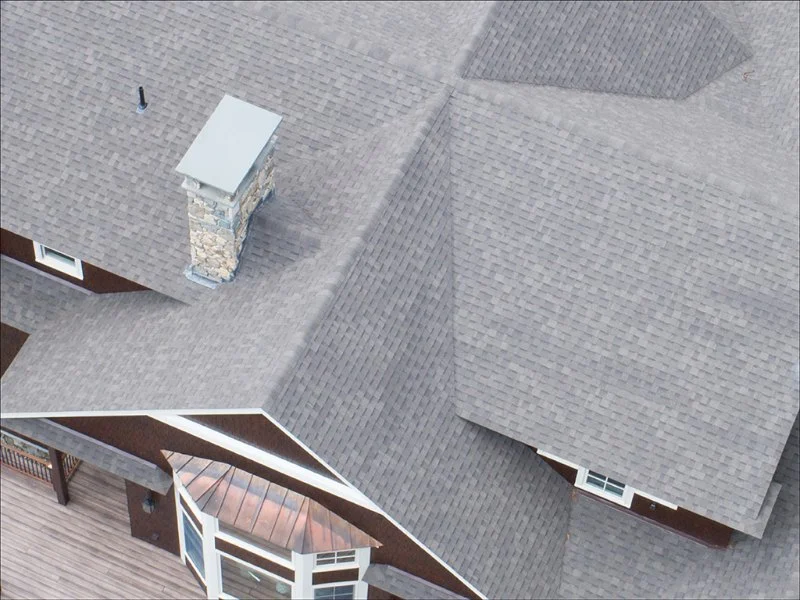
What is a Roofing Cricket? Why You Need One Behind a Large Chimney
- 1. Understanding What a Roofing Cricket Is
- 2. How a Roofing Cricket Works to Protect Your Roof
- 3. Why It’s Especially Important Behind Large Chimneys
- 4. Materials and Design Options for Roofing Crickets
- 5. Installation Process and Common Mistakes to Avoid
- 6. Real-World Examples and Professional Insights
- 7. Expert Recommendations from Pro Found Roofing
1. Understanding What a Roofing Cricket Is
A roofing cricket, sometimes called a saddle, is a small peaked structure installed on the high side of a chimney or other roof penetration. Its primary function is to divert water around the obstruction, preventing pooling and leaks. Without it, rainwater, snow, and debris can accumulate behind the chimney, leading to premature roof damage, rot, and even interior water intrusion.
Think of a cricket as a miniature roof built into your roof system—an intelligent design feature that ensures proper water flow. Roofers at Pro Found Roofing describe it as “a small addition that prevents big problems.”
2. How a Roofing Cricket Works to Protect Your Roof
The cricket functions by creating a peak that splits and redirects water toward the roof’s valleys or gutters. When installed correctly, it eliminates the flat or low spot where water naturally gathers behind a vertical structure like a chimney. This redirection is critical, especially during heavy rainfall or snowmelt.
In addition to water management, crickets also help prevent ice dam formation in colder climates. By reducing water stagnation, they minimize freeze-thaw cycles that can crack flashing or shingles over time.
3. Why It’s Especially Important Behind Large Chimneys
Large chimneys present unique roofing challenges. Their wide bases can trap significant amounts of water if not properly designed with drainage in mind. This trapped water gradually seeps into seams, flashing, or brick mortar, eventually leading to leaks that can compromise both your roof and interior walls.
Building codes in many U.S. states actually require roofing crickets on chimneys wider than 30 inches. This regulation isn’t just a technicality—it’s based on decades of data showing that chimneys without crickets are far more likely to develop leaks and structural decay. Homeowners who’ve experienced repeated chimney leaks often discover that adding a cricket was the missing piece all along.
4. Materials and Design Options for Roofing Crickets
Roofing crickets can be built from a variety of materials depending on the roof type and aesthetic preferences. Common options include:

Holden Roofing (Houston Corporate) / holden roofing
RosenbergFort Bend CountyTexas
2128 1st St, Rosenberg, TX 77471, USA
Metal Crickets
Metal crickets—typically made from galvanized steel, aluminum, or copper—are the most durable and water-resistant option. They’re often recommended for steep-slope roofs or areas with heavy rainfall.
Absolute Roofing / absolute roofing
TimoniumBaltimore CountyMaryland
22 W Padonia Rd # B229, Timonium, MD 21093, USA
Wood-Framed Crickets
These crickets use a wooden base structure covered with the same shingles or roofing material as the main roof. This creates a seamless appearance while maintaining consistent performance.
Custom-Designed Crickets
For historical or high-end homes, custom crickets can be designed to blend with architectural details. These may involve unique angles, stone accents, or integrated flashing to match existing features.
5. Installation Process and Common Mistakes to Avoid
Installing a roofing cricket requires precision and experience. The slope must be correctly aligned with the main roof to ensure efficient drainage. The installation typically involves building a triangular frame, securing it to the roof deck, applying flashing, and finishing with the chosen roofing material.
Common mistakes include creating too shallow a slope, failing to seal flashing properly, or using incompatible materials. Such errors can lead to leaks—the very problem the cricket is meant to prevent. That’s why experts at Pro Found Roofing recommend hiring professional installers familiar with both local building codes and water flow dynamics.
6. Real-World Examples and Professional Insights
In 2022, a homeowner in Tampa, Florida, faced recurring leaks behind a large brick chimney. Despite multiple patch jobs, the issue persisted until a roofing cricket was added by Pro Found Roofing. After installation, the water drainage improved instantly, and the problem was permanently resolved—even during hurricane season.
Similarly, homes in northern climates like Minnesota benefit from crickets that prevent ice dam formation. One case study showed that a simple cricket addition extended the lifespan of the roof by nearly 10 years and eliminated interior water damage costs.
7. Expert Recommendations from Pro Found Roofing
Not every chimney requires a cricket, but when it does, skipping this step can be a costly mistake. Pro Found Roofing advises homeowners to inspect the area behind large chimneys regularly, especially after storms or heavy snowfall. Early detection of pooling water or flashing deterioration is key to preventing damage.
For homes with large or multi-flue chimneys, installing a roofing cricket is one of the most effective ways to enhance waterproofing and extend roof life. Whether you’re building a new roof or repairing an old one, consulting a certified roofer ensures your cricket is designed and installed to perform flawlessly for decades.

 Leafguard Gutter Protection4.0 (319 reviews)
 Refuge Roofing SC5.0 (40 reviews)
 D Project inc.5.0 (1 reviews)
 Legend five star construction LLC5.0 (1 reviews)
 Nisi Home Improvement Inc.5.0 (195 reviews)
 Walter Brown Services5.0 (71 reviews)
 Understanding Roof Flashing: What It Is and Why It Matters
 Understanding Roofing Crickets: How to Frame One for a Large Chimney
 What to Expect During a Professional Roof Inspection
 Best Time of Year to Replace or Repair Your Roof in the U.S.
 Choosing Between Residential and Commercial Roofing Solutions
 How to Install Drip Edge on a Roof with a Complex Series of Gables