
- 1. Introduction: The Challenge of Coastal Roofing
- 2. Understanding the Impact of Sea Salt Spray on Roofs
- 3. How Salt Causes Corrosion and Roof Damage
- 4. Effective Strategies for Combating Corrosion
- 5. Long-Term Maintenance Tips for Coastal Roofs
- 6. Choosing the Right Roofing Materials for Coastal Areas
1. Introduction: The Challenge of Coastal Roofing
Living near the coast offers beautiful views, but it also brings unique challenges for homeowners, especially when it comes to roof maintenance. The salty air from the sea can have a profound effect on the condition of your roof, leading to corrosion and damage over time. In this article, we explore how sea salt spray impacts coastal roofs and provide expert advice on how to combat corrosion, extending the life of your roof and keeping it in top condition.

Gunner Roofing / gunner roofing
CromwellLower Connecticut River Valley Planning RegionConnecticut
700 Corporate Row, Cromwell, CT 06416, USA
2. Understanding the Impact of Sea Salt Spray on Roofs
Sea salt spray is a significant environmental factor affecting coastal roofs. The salt carried by the sea breeze can accumulate on your roof, penetrating into the materials and causing serious damage. Over time, this salt exposure leads to corrosion, especially in metal roofing materials, and contributes to a range of other issues like rusting, staining, and weakening of structural integrity.
Lance Roofing & Siding Inc. / lance roofing and siding
6903 Dayton Springfield Rd, Enon, OH 45323, USA
2.1. Sea Salt and Its Corrosive Properties
Salt is hygroscopic, meaning it attracts moisture from the air. When the salt spray settles on your roof, it absorbs moisture and forms a brine, which accelerates corrosion and the breakdown of roofing materials. Metal roofs, gutters, and flashing are particularly vulnerable to this process. The combination of salt, moisture, and heat from the sun makes coastal environments especially harsh on roofing systems.
2.2. The Effects on Different Roofing Materials
Not all roofing materials are equally susceptible to the effects of sea salt spray. For instance, materials like aluminum, steel, and copper can corrode more quickly when exposed to salty air, while asphalt shingles, concrete, and clay tiles may withstand it better. However, even these materials are not immune to the long-term effects of salt exposure, leading to fading, discoloration, and deterioration over time.
3. How Salt Causes Corrosion and Roof Damage
Corrosion caused by sea salt spray is a gradual but damaging process. As the salt builds up on roofing materials, it can begin to break down the protective coatings and layers, leading to rusting and weakening of the structure.
3.1. Rusting of Metal Roofs and Flashing
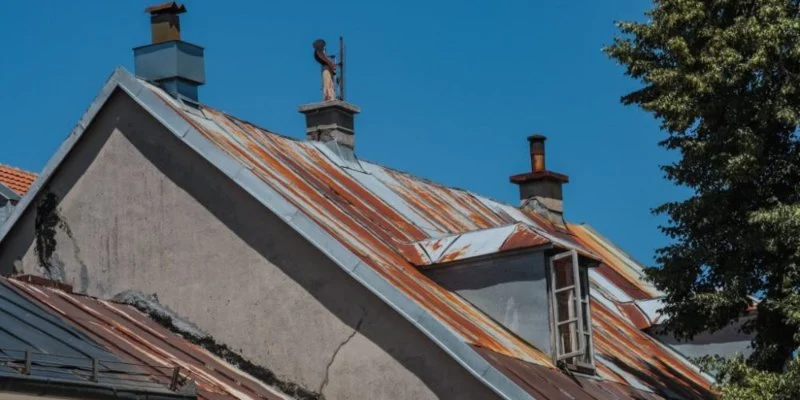
Rust is the most visible sign of salt-induced damage, particularly on metal roofs and flashing. As salt and moisture settle on metal surfaces, they create a corrosive reaction that leads to the formation of rust. Over time, this rust can eat away at the metal, creating holes and weakening the roof structure. This not only reduces the roof's effectiveness in protecting your home but can also lead to costly repairs.
3.2. Staining and Discoloration of Roof Tiles
Salt exposure can also cause discoloration and staining on tile roofs. The salt reacts with the minerals in the tiles, leaving unsightly marks that can affect the overall aesthetic of the roof. While this doesn’t always affect the roof’s functionality, it can lead to a less visually appealing exterior.
3.3. Weakening of Roof Structure
In addition to the visible signs of corrosion, salt can weaken the underlying structure of the roof. As salt accumulates and causes damage to materials like wood or concrete, it can compromise the structural integrity of the roof, potentially leading to leaks, water damage, and even roof failure if not addressed promptly.
4. Effective Strategies for Combating Corrosion
Combating the effects of sea salt spray requires a multi-faceted approach to roof maintenance. Here are some effective strategies to protect your roof from corrosion:
4.1. Regular Cleaning of the Roof
One of the simplest ways to combat salt buildup is through regular cleaning. Cleaning the roof helps remove salt deposits and prevent them from accumulating. Using a garden hose or pressure washer can be effective in washing away the salt. However, be cautious not to damage the roofing materials in the process. Always follow manufacturer recommendations when cleaning your roof.
4.2. Applying Protective Coatings
Another effective strategy is applying a protective coating to the roof. These coatings form a barrier between the roofing material and the salt, preventing direct contact. There are various roof sealants and coatings available that can provide long-lasting protection against corrosion and weathering caused by salt exposure.
4.3. Regular Inspections
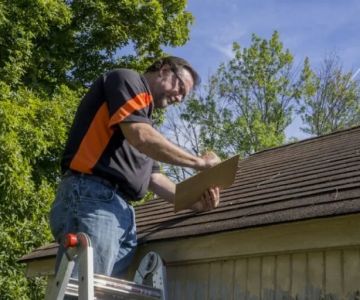
Performing regular roof inspections is crucial in catching early signs of corrosion and damage. Look for rust spots, discoloration, or weakened areas that may need repair. Early detection can help prevent more extensive damage, saving you money in the long run.
5. Long-Term Maintenance Tips for Coastal Roofs
Long-term maintenance is key to ensuring the longevity of your coastal roof. Follow these tips for ongoing protection and care:
5.1. Use Corrosion-Resistant Roofing Materials
Choosing corrosion-resistant materials is one of the best ways to combat the effects of salt. Galvanized steel, aluminum, and copper are some of the best options for coastal areas due to their ability to withstand salt exposure. If replacing your roof is an option, consider upgrading to these materials to extend the life of your roof.
5.2. Keep Gutters and Downspouts Clean
Clogged gutters can cause water and salt to pool on your roof, accelerating corrosion. Make sure gutters and downspouts are cleaned regularly to ensure proper drainage and prevent water buildup.
6. Choosing the Right Roofing Materials for Coastal Areas
When installing a new roof or replacing an old one, it’s important to choose the right materials for your location. Coastal areas require roofing materials that are resistant to salt, moisture, and other environmental factors. Consider materials such as:
6.1. Metal Roofs with Protective Coatings
Metal roofs are a popular choice for coastal areas because of their durability and longevity. However, it’s essential to select a metal roof with a protective coating to ensure it can withstand salt exposure without rusting.
6.2. Ceramic or Concrete Tiles
Ceramic and concrete tiles are resistant to salt damage and provide excellent protection for your home. These materials are durable, long-lasting, and less likely to corrode in coastal environments.
With the right materials, regular maintenance, and preventative measures, you can protect your coastal roof from the harmful effects of sea salt spray. Whether through cleaning, applying protective coatings, or choosing corrosion-resistant materials, these steps will help extend the life of your roof and ensure it remains functional for years to come.


 Leader Roofing5.0 (12 reviews)
 nw quality roofing llc5.0 (2 reviews)
 We Nailed It Roofing & Gutters4.0 (68 reviews)
 Sky Solutions Roofing and Construction5.0 (7 reviews)
 Prestige Roofing4.0 (18 reviews)
 Best Midwest Roofing Inc.0.0 (0 reviews)
 The Impact of Algae on Your Roof's Lifespan and How to Stop Its Growth
 How Solar Panels Affect Your Roof: Key Considerations You Should Know
 How to Choose the Right Gutter System to Protect Your Roof and Foundation
 Signs of Animal Damage on Your Roof – Chewed Shingles, Vents, and Soffits
 How to Install a Roof Vent for a Range Hood That Vents Through the Roof
 How to Choose a Roofing Contractor Who Offers a Strong Workmanship Warranty