- 1. Understanding Curling Shingles
- 2. Common Causes of Curled Shingles
- 3. How to Spot Curling Shingles
- 4. Potential Consequences of Curling Shingles
- 5. Fixing Curling Shingles: DIY vs. Professional Help
- 6. Why Trust Our Recommendations at Pro Found Roofing
1. Understanding Curling Shingles
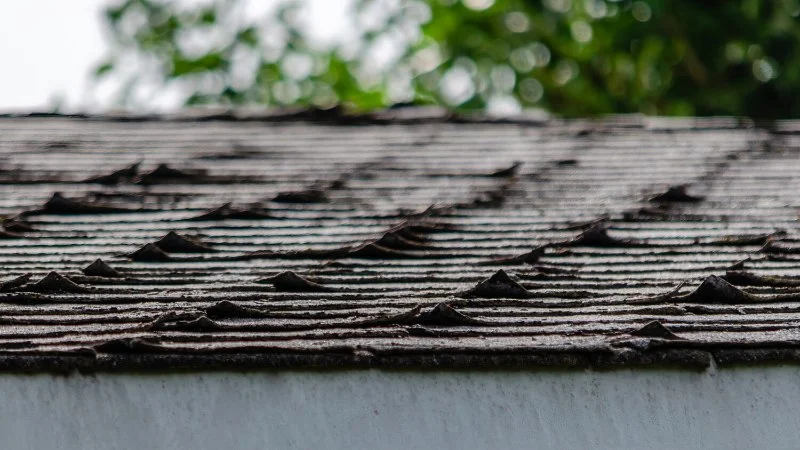
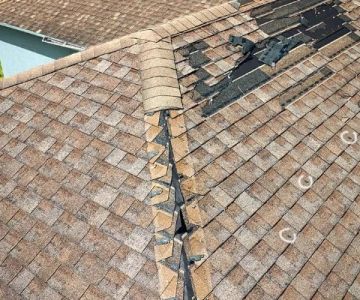
Curling shingles are a common roofing problem that homeowners may encounter. They occur when the edges of asphalt shingles begin to curl upwards, which can be a sign of wear and tear. Shingles are a critical part of your roof, and when they curl, they can affect the roof's overall integrity. While this problem is often associated with aging shingles, it can also be caused by several environmental and installation factors.
The curling of shingles is a clear indication that your roof may be at risk, potentially leading to leaks, water damage, and other serious issues if not addressed. It's important to recognize this issue early on to prevent more extensive and costly repairs down the line.

JK Contractors / jk roofing
West BendOzaukee CountyWisconsin
3058 County Rd Y, West Bend, WI 53095, USA
2. Common Causes of Curled Shingles
Several factors can contribute to the curling of shingles, each pointing to different underlying issues. Understanding the cause of the curling can help you determine the best course of action for repair or replacement.

Rapid Response Roofing / rapid response roofing
East GreenvilleMontgomery CountyPennsylvania
408 State St, East Greenville, PA 18041, USA
1. Age of Shingles
One of the most common reasons for curled shingles is simply their age. Over time, asphalt shingles can degrade due to exposure to the sun, rain, and temperature fluctuations. As the shingles age, they can become brittle and start to curl, particularly around the edges. This is a natural part of their life cycle, and older roofs are more likely to experience this issue.
2. Poor Ventilation
Inadequate ventilation in your attic can trap heat and moisture, which can accelerate the wear and tear on your shingles. When hot air becomes trapped under the roof, it can cause the shingles to curl or blister. Proper attic ventilation helps to regulate temperature and moisture levels, preventing damage to the roofing materials.
3. Improper Installation
Shingles that are improperly installed can also lead to curling. If shingles are not aligned properly or are nailed incorrectly, they may curl prematurely. Additionally, if the shingles are applied during extreme weather conditions, such as high heat, they may not adhere properly to the roof, leading to curling over time.
4. Moisture and Water Damage
Excess moisture or water trapped under the shingles can cause them to curl. Water damage from leaks or improper sealing can lead to shingles lifting at the edges. This can create an environment for mold and rot, further damaging your roof and home.
3. How to Spot Curling Shingles
Spotting curling shingles is relatively easy if you know what to look for. Here are the key signs:
- Edges of the Shingles Curling Up: The most obvious sign of curled shingles is when the edges of the shingles lift up, resembling a "cup" shape. This can affect a few shingles or large sections of the roof.
- Missing Granules: Over time, shingles can lose their granules, especially when they begin to curl. If you notice dark spots or exposed asphalt, the shingles may be curling due to age or damage.
- Brittle or Cracked Shingles: Curled shingles often become brittle and may crack when touched. If you notice cracks or breaks along the edges, it's a sign of aging and curling shingles.
- Visible Gaps or Lifted Sections: Shingles that have curled upwards may not lay flat against the roof, leaving visible gaps between the shingles or areas where water could potentially seep through.
Inspect your roof regularly, especially after severe weather events, to catch early signs of curling shingles. Use binoculars or a camera with a zoom lens to safely inspect your roof without climbing onto it.
4. Potential Consequences of Curling Shingles
If left untreated, curled shingles can lead to several serious roofing issues. Understanding the potential consequences can help you prioritize getting the problem fixed:
- Water Leaks: Curled shingles may no longer provide the proper seal, allowing water to enter your home. This can lead to water damage in your attic, ceiling, and walls.
- Roof Degradation: As shingles curl, the roof’s overall protective layer is compromised, leading to further deterioration of the roofing system. This can shorten the lifespan of your roof.
- Energy Inefficiency: Damaged shingles can affect your home’s insulation, leading to heat loss or heat gain. This can make your HVAC system work harder, leading to higher energy bills.
- Increased Repair Costs: Ignoring curled shingles can lead to more significant damage that requires expensive repairs or even full roof replacement.
Addressing curled shingles early can save you money in the long run and protect your home from the potential damage caused by leaks and water intrusion.
5. Fixing Curling Shingles: DIY vs. Professional Help
When it comes to fixing curled shingles, there are two main options: DIY repairs or hiring a professional. Let's weigh the pros and cons of each:
DIY Repairs
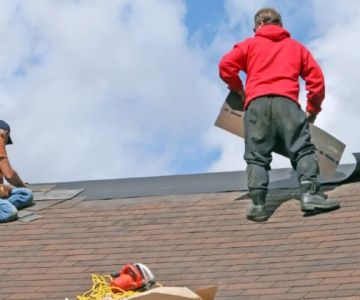
If you are comfortable with basic home repairs and have the necessary tools, you can attempt to fix curled shingles yourself. Some homeowners may be able to re-nail curled shingles back into place or replace a few damaged shingles. However, DIY repairs can be risky, especially if you’re not familiar with roofing systems.
Professional Roofing Services
For most homeowners, hiring a professional roofer is the safest and most effective option. A professional will have the experience, knowledge, and tools to properly address curled shingles and other roofing issues. They can also identify underlying problems, such as poor ventilation or water damage, and provide a long-term solution.
6. Why Trust Our Recommendations at Pro Found Roofing
At Pro Found Roofing, we specialize in providing expert advice and high-quality roofing services. Our team is experienced in addressing common roofing issues like curled shingles and can help you identify the root cause of the problem. Whether you're considering DIY repairs or need professional assistance, we offer trusted solutions to ensure your roof remains strong and secure. Contact us for more information on how to maintain and repair your roof effectively.
 MatthewsRoofingnc.com4.0 (39 reviews)
 Butler Brothers Roofing4.0 (65 reviews)
 Navarro Family Roofing4.0 (46 reviews)
 Strategic Roofing5.0 (370 reviews)
 Gorilla Roofing5.0 (4 reviews)
 Eden's Roofing4.0 (10 reviews)
 Best Ventilation Systems for Hot Attic: Reducing Heat Buildup in Summer
 What is a Roofing Warranty? Understanding Manufacturer vs. Contractor Warranties
 How to Install a Ridge Vent on a Roof with an Existing Power Fan – Complete Guide
 How to Install Roofing Underlayment on a Steep Pitch Roof Safely
 Green Roofs: How They Work, Their Benefits, and Installation Considerations
 What Roof Color Is Best for Energy Efficiency?