1. Why Waterproofing a Flat Roof is Essential
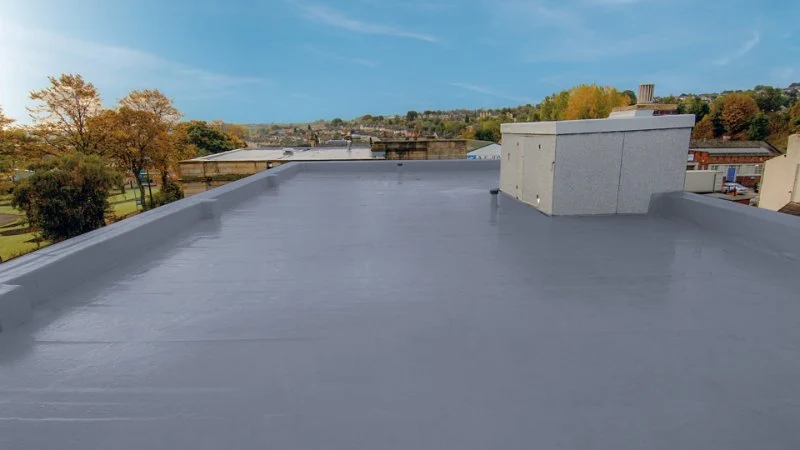
Flat roofs are a popular choice for many homes and commercial buildings due to their modern aesthetic and functional design. However, one major challenge they present is water drainage. Without proper maintenance and waterproofing, flat roofs are more prone to leaks, water damage, and structural issues. Unlike pitched roofs, which allow water to run off easily, flat roofs can trap water, leading to the formation of puddles, which increases the risk of leaks.
Waterproofing a flat roof is essential to protect your home from water damage and extend the life of your roof. In this article, we'll cover the best materials and methods for waterproofing a flat roof, helping you keep your home safe, dry, and secure from the elements.

JK Contractors / jk roofing
West BendOzaukee CountyWisconsin
3058 County Rd Y, West Bend, WI 53095, USA
2. Common Issues with Flat Roofs
Before we dive into waterproofing solutions, it’s important to understand why flat roofs are more susceptible to leaks and water damage. Here are some common issues that arise with flat roofs:

SB Pro Roofing / sb pro roofing
Pinellas ParkPinellas CountyFlorida
6358 49th St N, Pinellas Park, FL 33781, USA
2.1. Water Pooling
Flat roofs, especially those that don’t have adequate drainage, can suffer from water pooling. Over time, stagnant water can seep into the roofing material, creating leaks and promoting the growth of moss and mold. Without proper waterproofing, this pooled water can lead to serious damage, weakening the structural integrity of the roof.
2.2. Wear and Tear from UV Exposure
UV rays from the sun can deteriorate roofing materials, causing them to break down, crack, and lose their effectiveness. Over time, this leads to leaks and gaps in the roof, especially if the roofing material isn’t adequately protected from the elements. Waterproofing can act as a protective barrier against UV rays, helping extend the life of your roof.
2.3. Expansion and Contraction
Temperature fluctuations can cause roofing materials to expand and contract, which can result in cracking and damage over time. This is especially problematic for materials that are not flexible or designed to withstand these changes. Proper waterproofing techniques can help seal these areas, preventing water from seeping through the cracks.
3. Materials for Waterproofing a Flat Roof
There are several materials you can use to waterproof a flat roof. Choosing the right material depends on the specific needs of your roof, the climate, and your budget. Below are some of the most effective materials used for waterproofing flat roofs:
3.1. Roof Coatings
Roof coatings are a popular solution for waterproofing flat roofs. These coatings create a seamless, protective layer over the roof’s surface that prevents water from penetrating. They are available in various types, including acrylic, silicone, and polyurethane coatings. Here’s a closer look at each:
- Acrylic Coatings: These are a cost-effective option for waterproofing flat roofs. Acrylic coatings are flexible and resistant to UV rays, making them ideal for areas that experience high levels of sun exposure. They are easy to apply and provide long-lasting protection.
- Silicone Coatings: Known for their durability and water resistance, silicone coatings are excellent for roofs that experience heavy rainfall. They are highly reflective, which helps keep the roof cooler, and they don’t break down under UV exposure.
- Polyurethane Coatings: These coatings are thicker and more durable, offering superior waterproofing for flat roofs that are subject to foot traffic or harsh weather conditions. They form a hard, protective layer that resists abrasion and chemicals.
3.2. EPDM Rubber Membranes
EPDM (Ethylene Propylene Diene Monomer) rubber is one of the most commonly used materials for waterproofing flat roofs. EPDM membranes are known for their longevity, flexibility, and resistance to both UV rays and extreme temperatures. They are easy to install and maintain, making them a great option for homeowners who want a long-term solution.
EPDM membranes are typically black, which helps them absorb heat and prevent water from pooling. They can be installed as a single sheet, which minimizes the number of seams and reduces the risk of leaks.
3.3. TPO (Thermoplastic Olefin) Roofing
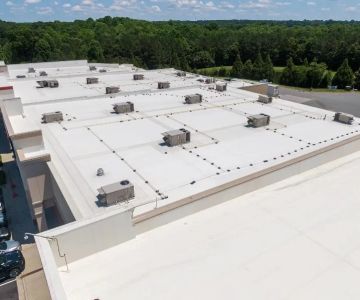
TPO is a single-ply roofing membrane that combines the benefits of rubber and plastic. It’s a popular choice for flat roof waterproofing due to its heat-reflective properties, UV resistance, and durability. TPO membranes are resistant to punctures and tears, making them an excellent option for areas with high foot traffic. They are also energy-efficient, helping reduce cooling costs by reflecting sunlight away from the building.
TPO roofing is available in a variety of colors, including white, which further enhances its reflective properties. It's a cost-effective and environmentally friendly option for flat roof waterproofing.
3.4. Modified Bitumen
Modified bitumen is a type of asphalt roofing material that is commonly used for flat roof waterproofing. It’s reinforced with fiberglass or polyester for added strength and flexibility. Modified bitumen roofing comes in rolls that are applied using a torch, adhesive, or cold-applied adhesives. The material is highly durable, resistant to water, and can withstand temperature fluctuations.
Modified bitumen is a great option for flat roofs that require a reliable and long-lasting solution to water damage. It is especially useful in climates with extreme weather conditions.
4. Methods for Applying Waterproofing to a Flat Roof
Once you've chosen the right material for your flat roof, it’s important to apply it properly to ensure a leak-free home. Below are some common methods for applying waterproofing to a flat roof:
4.1. Applying Roof Coatings
Roof coatings are typically applied in multiple layers to ensure thorough coverage. The process involves cleaning the roof surface, repairing any cracks or damage, and then applying the coating using a roller, brush, or spray. After the first layer dries, additional layers are applied for increased protection. Depending on the type of coating, it may take several hours to dry between layers.
4.2. Installing EPDM or TPO Membranes
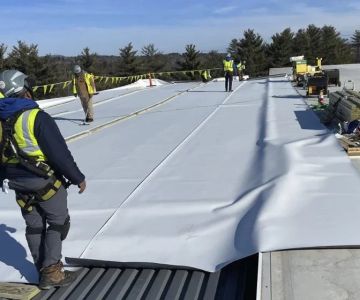
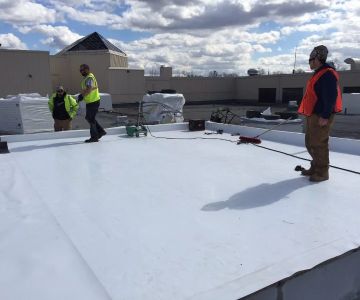
EPDM and TPO membranes are typically installed by professional roofers due to the technical skill required. The membranes are laid over the roof, and seams are sealed to prevent leaks. EPDM membranes are often attached using adhesive or mechanical fasteners, while TPO membranes are welded together using heat to form a seamless barrier.
4.3. Modified Bitumen Application
Modified bitumen is installed by rolling the material over the roof and adhering it using a torch or cold adhesive. This method creates a waterproof barrier that is both flexible and durable. It’s essential to apply the bitumen correctly to avoid any gaps or seams that could allow water to seep through.
5. How to Maintain Your Waterproofed Flat Roof
Once your flat roof is waterproofed, regular maintenance is essential to ensure its longevity. Here are some key tips for maintaining your roof:
5.1. Regular Inspections
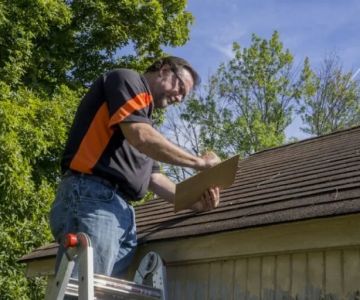
Inspect your flat roof at least twice a year, especially after heavy storms or harsh weather conditions. Look for any signs of damage, such as cracks, blisters, or standing water. Early detection of issues can help you avoid costly repairs down the road.
5.2. Keep Gutters and Drains Clear
Clogged gutters and drains can cause water to pool on your flat roof, increasing the risk of leaks. Regularly clean your gutters and ensure that water flows freely off the roof. This will help prevent water damage and maintain the integrity of your waterproofing system.
6. Conclusion: Ensuring a Leak-Free Flat Roof
Waterproofing a flat roof is an essential step in protecting your home from water damage and ensuring its longevity. By choosing the right materials and applying them properly, you can create a durable, leak-free barrier that will stand up to the elements. Regular maintenance and inspections will help keep your roof in top condition, saving you time and money in the long run.
If you're looking for expert roofing products or services, visit Pro Found Roofing for the best solutions to your flat roof waterproofing needs.
 JR & Co.4.0 (205 reviews)
 Little Ridge Roofing5.0 (47 reviews)
 Pure Roofing5.0 (92 reviews)
 RIZO ROOFING LLC4.0 (2 reviews)
 CG Ubbelohde Roofing Co LLC0.0 (0 reviews)
 Cultice Roofing LLC5.0 (53 reviews)
 How to Choose the Best Roof Color for Energy Efficiency
 The Pros and Cons of Installing a Roof Overlay Instead of Full Replacement
 How to Make Environmentally Conscious Roofing Choices for Your Home
 The Process of Installing a TPO Roof on a Commercial Building or Flat Home Roof
 How Roofing Affects Home Resale Value: A Key Factor for Homeowners
 How to Prepare Your Roof for Hurricane or Tornado Season