- 1. Why Roof Preparation Matters for Storm Season
- 2. Key Roof Preparation Tips for Hurricanes and Tornadoes
- 3. How to Ensure Your Roof Is Strong Enough for Severe Weather
- 4. When to Call a Professional for Roof Inspection
- 5. Real-Life Examples: Roof Preparation Before a Storm
1. Why Roof Preparation Matters for Storm Season
Hurricane and tornado seasons bring some of the most powerful storms that can cause severe damage to homes, especially to the roof. Your roof is the first line of defense against heavy winds, rain, and flying debris, making it critical to ensure it’s in top condition. A well-maintained roof can significantly reduce the risk of severe damage during a storm, potentially saving you thousands of dollars in repairs. By properly preparing your roof for the storm season, you can protect your home and family from the devastating effects of these powerful weather events.
In addition to protecting your property, roof preparation can also reduce insurance claims, as many insurance providers require homeowners to prove their roofs were storm-ready. Whether you're dealing with a hurricane or tornado, being proactive can make all the difference in minimizing damage.
Absolute Roofing / absolute roofing
TimoniumBaltimore CountyMaryland
22 W Padonia Rd # B229, Timonium, MD 21093, USA
2. Key Roof Preparation Tips for Hurricanes and Tornadoes
Preparing your roof for hurricane and tornado seasons requires careful attention to detail and a few essential tasks. These steps will help protect your home from the most common roof-related storm damage:
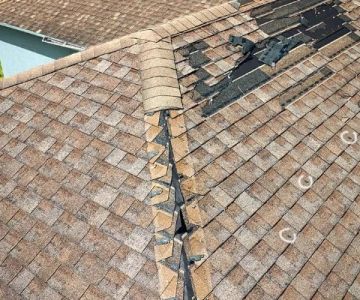
- Inspect and Replace Damaged Shingles: Start by checking for any loose, cracked, or missing shingles. If you find any, replace them to prevent leaks and reduce wind resistance. Damaged shingles can easily be torn off by strong winds, leaving your roof vulnerable to further damage.
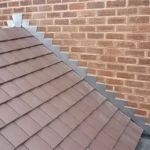
- Check Flashing and Seals: Flashing is the metal material that seals joints on the roof, such as around chimneys or vents. Ensure that the flashing is securely in place and that the seals around roof penetrations are intact. If the flashing is loose or rusted, it should be replaced.
- Trim Trees and Remove Debris: Falling branches are one of the most common causes of roof damage during storms. Trim any overhanging branches or limbs that could potentially hit your roof during a hurricane or tornado. Clear away any debris from gutters, downspouts, and roof vents to allow proper drainage and prevent clogging during heavy rainfall.
- Reinforce Your Roof’s Structure: Make sure the overall structure of your roof is secure. This includes checking the integrity of the rafters, beams, and trusses. If necessary, consult a professional to reinforce your roof to withstand high winds and extreme weather.
- Install Storm-Proofing Materials: If you're in an area prone to hurricanes or tornadoes, consider installing storm-resistant materials like impact-resistant shingles or hurricane clips. These materials are designed to hold your roof in place during high winds and flying debris, offering additional protection.
These roof preparation tips are essential for minimizing the risk of damage during storm season. While these tasks may seem straightforward, they are critical for keeping your roof strong and intact when the next storm hits.

Gunner Roofing / gunner roofing
CromwellLower Connecticut River Valley Planning RegionConnecticut
700 Corporate Row, Cromwell, CT 06416, USA
3. How to Ensure Your Roof Is Strong Enough for Severe Weather
To ensure your roof is strong enough to withstand severe weather, it's important to focus on both the materials used and the structural integrity of your roof. Here’s how you can assess and enhance your roof’s strength:
- Use High-Quality Roofing Materials: Invest in high-quality, storm-resistant materials like architectural shingles, metal roofing, or tile roofing. These materials are designed to handle high winds and heavy rain more effectively than traditional asphalt shingles.
- Strengthen Roof Decking: The roof decking (the wood boards beneath your shingles) plays a crucial role in holding your roof in place. Ensure the decking is well-secured to the framing and that it’s in good condition. If the decking is weak or damaged, it could fail under stress from high winds.
- Consider Roof Retrofitting: Roof retrofitting involves reinforcing your roof’s structure to improve its wind resistance. This might include adding roof straps or clips to secure the roof to the walls of your home, as well as strengthening the joints where the roof meets the walls. A professional roofing contractor can help with retrofitting to ensure your roof is up to code for hurricane or tornado resistance.
By upgrading your roofing materials and reinforcing the roof structure, you can increase your home’s ability to withstand extreme weather conditions. These efforts will also give you peace of mind, knowing that your roof is built to last through any storm season.
4. When to Call a Professional for Roof Inspection
While DIY roof maintenance is essential for storm preparation, there are times when professional help is needed to ensure your roof is fully prepared for hurricane or tornado season. Here’s when it’s best to call a professional roofing contractor:
- Extensive Roof Damage: If you notice significant damage to your roof, such as missing shingles, cracked tiles, or structural issues, it’s best to call a professional for an inspection and repair. A roofing expert will have the tools and expertise to fix any major issues.
- Reinforcement and Retrofitting: If you need to reinforce your roof or install storm-resistant materials, a professional roofing contractor can assess the necessary upgrades and install them properly to ensure your roof meets the highest standards for storm protection.
- Regular Roof Inspections: Having a professional inspect your roof regularly before storm season can help identify potential issues before they become major problems. A professional inspection ensures that your roof is storm-ready and that any small problems are addressed in time.
A professional inspection can catch issues that you may not have noticed during your own assessment, providing an additional layer of protection for your home. If you’re unsure about your roof’s condition or need assistance with stormproofing, a professional can help ensure that your roof is fully prepared for the next big storm.
5. Real-Life Examples: Roof Preparation Before a Storm
Many homeowners have successfully protected their roofs from storm damage by following proper preparation techniques. For example, after a tornado warning in Georgia, the Johnson family took proactive steps to secure their roof. They reinforced the roof decking and installed impact-resistant shingles, which helped prevent damage when a strong windstorm hit. Their roof remained intact, and they avoided costly repairs after the storm.
In Florida, a family living in a hurricane-prone area noticed several cracked shingles on their roof before the start of hurricane season. They decided to call in a professional roofing contractor, who replaced the damaged shingles and installed additional storm clips to strengthen the roof. When Hurricane Elsa struck, their home experienced minimal damage, thanks to the preparation work they did in advance.
These real-life examples show how roof preparation can make a significant difference in protecting your home during severe weather. By taking the right steps to prepare your roof, you can reduce the risk of extensive damage and ensure your home stays safe during hurricane or tornado season.
For expert advice on roof preparation and to find the best roofing products and services for storm season, visit Pro Found Roofing for reliable solutions tailored to your home’s needs.
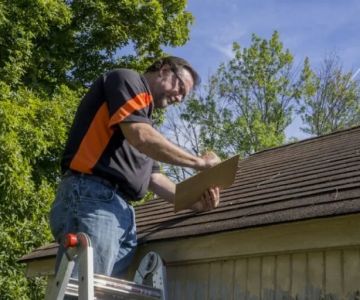
 Home Crafters Roofing & Contracting5.0 (2717 reviews)
 Advanced Roofing, Siding and Windows Inc.4.0 (31 reviews)
 JP Carroll Roofing5.0 (132 reviews)
 Roofing Company 123 Roofing Usa5.0 (1 reviews)
 The Roof Doctor of NE Ohio Inc4.0 (10 reviews)
 Chavez Construction Group Corp.5.0 (1 reviews)
 What is a Roofing Warranty? What to Do if Your Roofing Contractor Goes Out of Business
 The Pros and Cons of a Gable Roof with Dormers for Added Space and Light
 How Roofing Affects Home Resale Value in the U.S. Market
 What is a Roofing Nail? The Right Type, Size, and Number for a Secure Roof
 Understanding Roof Flashing: What It Is and Why It Matters
 The Pros and Cons of a M-Shaped Roof Design for Larger Homes