- Why Roofing Matters for Resale Value
- Roof Condition and Home Price
- How Roofing Materials Affect Value
- Roof Age and Its Impact on Value
- Should You Replace the Roof Before Selling?
- Maintaining Your Roof for Better Resale
Why Roofing Matters for Resale Value
When it comes to selling a home, curb appeal is important, but what’s even more crucial is the overall structural integrity of the property—particularly the roof. Potential buyers are more likely to invest in a home that has a solid, well-maintained roof. After all, the roof is one of the first things people notice, and a damaged or outdated roof can be a significant deterrent for buyers.
In fact, the roof can have a substantial impact on a home’s resale value. Whether you’re selling a home or planning to buy one, understanding how roofing affects property value is essential. Let’s explore why the roof plays such an important role in the real estate market and how it can influence your home’s price.
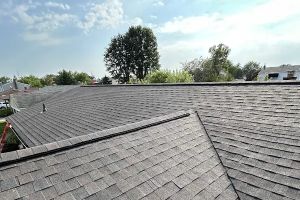
Victors Home Solutions / victors roofing
2722 E Michigan Ave suite 239, Lansing, MI 48912, USA
Roof Condition and Home Price
The condition of your roof can either enhance or detract from your home’s resale value. A roof that is in poor condition or showing visible signs of wear, such as missing shingles, leaks, or sagging, can reduce the price you’re able to ask for your home. This is because prospective buyers may anticipate the need for costly repairs or a full roof replacement.
Conversely, a roof that’s in good condition signals to buyers that the home is well-maintained and that they won’t need to invest in repairs right away. If your roof is relatively new and free from any obvious damage, it can increase your home’s appeal, allowing you to price it higher. Homes with strong, durable roofs typically sell faster than those with damaged ones.
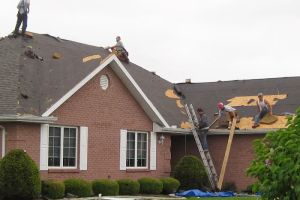
Lance Roofing & Siding Inc. / lance roofing and siding
6903 Dayton Springfield Rd, Enon, OH 45323, USA
How Roofing Materials Affect Value
The materials used in your roof can have a significant impact on your home’s resale value. Certain roofing materials are more desirable due to their longevity, energy efficiency, and aesthetic appeal. Here’s how different materials affect the value of your home:
1. Asphalt Shingles
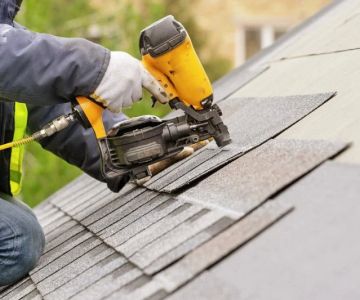
Asphalt shingles are the most common roofing material in the U.S., and they offer a great balance of affordability, durability, and ease of installation. Homes with asphalt shingles typically see a moderate effect on resale value. While they’re not as high-end as other materials, their practicality and low cost can make homes with asphalt shingles appealing to first-time homebuyers.
2. Metal Roofing
Metal roofs are becoming increasingly popular due to their longevity and energy efficiency. They’re known to last longer than asphalt shingles and can withstand harsh weather conditions. Homes with metal roofs often have higher resale value, especially in areas prone to extreme weather like hailstorms or heavy snow. However, the initial cost of installing a metal roof can be higher, which may influence the price buyers are willing to pay.
3. Wood Shingles or Shakes
Wood roofing materials, while visually appealing, can require more maintenance than asphalt or metal roofs. Wood shingles or shakes may offer an aesthetic charm, but they can also be susceptible to rot, pests, and weathering. As a result, homes with wood roofs may have a more limited appeal, potentially affecting the resale value, especially if the roof is in poor condition or outdated.
4. Slate or Tile Roofing
Slate and tile roofs are considered premium materials that can significantly increase a home’s resale value. These materials are highly durable and can last a century or more with proper maintenance. Homes with slate or tile roofs often appeal to luxury buyers and can command higher prices. However, they are typically more expensive to install and repair, so the return on investment might depend on the neighborhood and the buyer’s preferences.
Roof Age and Its Impact on Value
The age of your roof is one of the key factors influencing its impact on resale value. Older roofs are more likely to show signs of wear and tear, which can be a red flag for potential buyers. If your roof is nearing the end of its lifespan, this can lower your home’s value, as buyers may be concerned about the cost of replacing it soon.
On the other hand, a relatively new roof adds considerable value to your home. A roof that’s less than 10 years old may help you command a higher asking price, as buyers won’t need to worry about replacement costs in the near future. If your roof is older, consider getting a professional inspection to ensure there are no hidden issues that could reduce the value of your home.
Should You Replace the Roof Before Selling?
Whether or not you should replace your roof before selling depends on several factors, including the current condition of your roof, the local real estate market, and your budget. If your roof is old, damaged, or has multiple issues, replacing it before listing your home could increase its value and appeal to buyers.
However, if your roof is in decent condition and doesn’t show signs of significant damage, you might be able to sell without replacing it. In some cases, it may be more cost-effective to make minor repairs and offer a home warranty to cover future roof issues, rather than investing in a full roof replacement.
Maintaining Your Roof for Better Resale
Even if your roof is not brand new, regular maintenance can help improve your home’s resale value. By keeping your roof in good condition, you can avoid the need for expensive repairs and present a well-maintained home to potential buyers. Here are some essential maintenance tips to follow:
1. Inspect the Roof Regularly
Regular roof inspections help catch small issues before they become big problems. Look for damaged or missing shingles, leaks, or debris that could cause damage over time. If you’re unsure about what to look for, consider hiring a professional roofer to conduct a thorough inspection.
2. Clean Gutters and Downspouts
Clogged gutters can lead to water damage on your roof and even inside your home. Regularly cleaning your gutters and ensuring that water flows properly will help maintain your roof’s longevity and prevent unnecessary damage.
3. Address Damage Immediately
If you notice any issues with your roof, such as leaks or loose shingles, address them immediately. The longer you wait, the more likely it is that the problem will worsen, potentially reducing your home’s value.
Whether you're planning to sell soon or just want to maintain the value of your property, understanding how roofing affects home resale value is essential. For expert advice, inspections, and roofing services, visit Pro Found Roofing for the best solutions tailored to your needs.

 Tadco Roofing3.0 (6 reviews)
 RDM Contracting5.0 (48 reviews)
 Tatum Flat Roofing0.0 (0 reviews)
 Advanced Roofing & Construction LLC4.0 (56 reviews)
 Liberty Roofworks5.0 (94 reviews)
 CNM Roofing4.0 (4 reviews)
 What to Do When Your Roof Fails a Home Inspection: Smart Next Steps
 Understanding Ice Dams and How to Prevent Them on Your Roof
 Does a New Roof Increase Your Home's Resale Value? A Look at the ROI | Pro Found Roofing
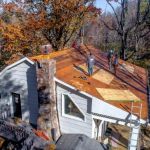 A Homeowner's Guide to Filing an Insurance Claim for Roof Damage Successfully
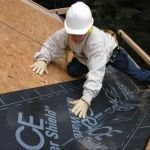 How to Install Ice and Water Shield on a Roof with Many Valleys and Penetrations
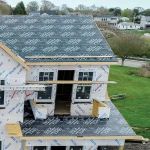 What is a Roofing Underlayment? How Self-Adhered Ice and Water Shield Works | Pro Found Roofing