
Roof Granule Loss: What Homeowners Should Check
On this page
Quick answer
A small amount of loose granules can be normal on a newer asphalt-shingle roof, but concentrated bare patches, rapid change, exposed black asphalt or granules appearing after hail deserve professional assessment. Check from the ground, photograph affected slopes and note where granules collect. Do not walk on the roof or decide on replacement from gutter debris alone.

Rapid Response Roofing / rapid response roofing
East GreenvilleMontgomery CountyPennsylvania
408 State St, East Greenville, PA 18041, USA
What roof granules do
Roof granule loss is the detachment of the mineral-coated particles embedded in the exposed surface of asphalt shingles. These granules provide colour, help shield the asphalt from sunlight and contribute to the shingle's weathering surface.
Loose particles may travel into gutters and downspouts, especially after installation or heavy weather. Their presence confirms shedding, but it does not by itself reveal the roof's remaining life. Location, pattern, shingle age, recent events and the condition of the asphalt beneath matter more than a handful of debris.

JK Contractors / jk roofing
West BendOzaukee CountyWisconsin
3058 County Rd Y, West Bend, WI 53095, USA
Normal shedding or a warning sign?
Often less concerning
- A limited amount of loose granules soon after a new roof installation.
- A light, relatively even change across an older roof without exposed asphalt, cracking or leaks.
- Granules found after gutter cleaning with no clear source area or recent increase.
More concerning
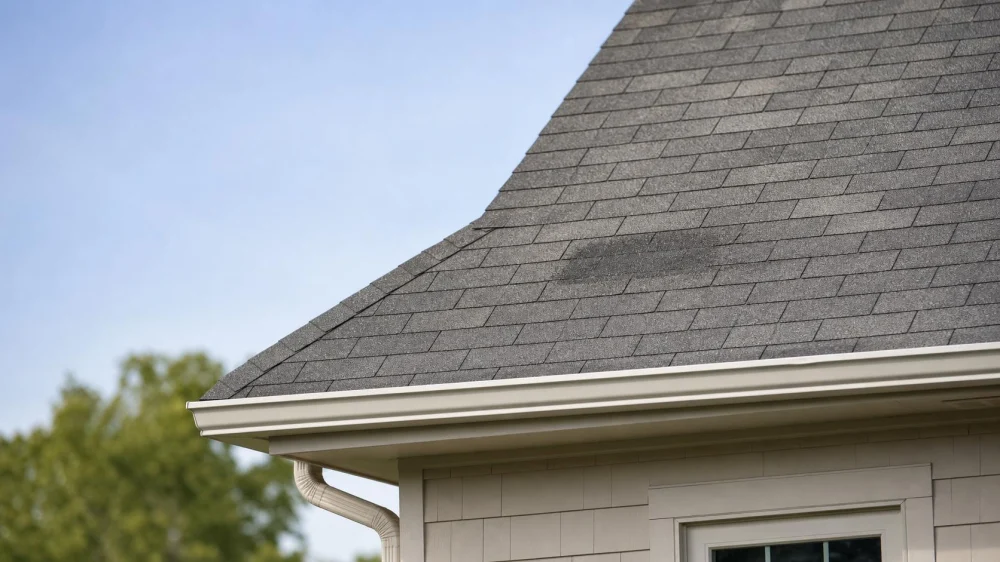
- Distinct dark or bald spots where the asphalt base is visible.
- Round impact marks, dents in nearby metal or sudden change after hail.
- Heavy loss along repeated foot-traffic paths or beneath equipment.
- Cracking, curling, missing tabs, exposed reinforcement or active leakage.
- One slope deteriorating much faster than comparable slopes.
When to choose prompt assessment: arrange an inspection after a major hail event, when damage is widespread, or when water is entering the home. When monitoring may be reasonable: shedding is minor, stable and unaccompanied by exposed asphalt or other defects, subject to manufacturer guidance and a qualified roofer's advice.
Safe inspection checklist
- Stay on stable ground. Use binoculars or camera zoom; never climb onto a wet, steep or damaged roof.
- Photograph every visible slope. Include wide views and closer zoomed images to document the pattern.
- Look for contrast. Note dark patches, exposed edges, cracks, displaced shingles and inconsistent areas.
- Check collection points. Observe granules at downspout outlets or in safely accessible ground-level discharge areas.
- Record recent events. Note installation work, hail, wind, tree debris, pressure washing or rooftop service visits.
- Check the interior. From safe accessible areas, look for ceiling stains, damp insulation, musty odours or daylight through the deck.
- Compare dated photos. Recheck after a suitable interval unless urgent signs require immediate service.
Do not sweep, scrape or rub shingles to test adhesion. Do not pressure-wash the roof. These actions can remove additional granules and make the original pattern harder to evaluate.
Likely causes and useful clues
- Manufacturing and installation residue: extra granules may shed during handling and early weather exposure.
- Age and weathering: heat, ultraviolet exposure, rain and freeze-thaw cycles gradually affect the shingle surface.
- Hail or debris impact: localized strikes may fracture or displace granules, sometimes with bruising beneath.
- Foot traffic and abrasion: repeated access can create concentrated paths, especially in hot or cold conditions.
- Water flow: concentrated drainage may accelerate wear in valleys or below roof features.
- Product or installation issue: unusual early deterioration warrants review of installation records and manufacturer requirements.
Visual clues can overlap. Hail damage, blistering, wear and mechanical scuffing should not be diagnosed from one close-up photograph. A competent inspector considers the full roof and related metal, siding and drainage surfaces.
Repair and replacement decisions
Granules cannot simply be glued back onto a worn shingle as a durable field repair. The practical response depends on the extent and cause of deterioration.
- Monitor: appropriate only when change is minor, stable and not exposing the asphalt base.
- Targeted repair: may suit a small isolated area if compatible replacement shingles and sound surrounding materials are available.
- Broader replacement: may be appropriate when loss is widespread, shingles are brittle, multiple defects coexist or repair would disturb surrounding courses.
- Event documentation: after suspected hail, preserve dated photos and obtain an objective condition report before emergency work beyond temporary water control.
The decision should include roof age, slope-by-slope condition, leak history, deck condition, flashing, ventilation, material availability and manufacturer instructions. Granules in a gutter are not a replacement threshold by themselves.
Questions for a roofing contractor
- Which areas show actual exposure or functional deterioration?
- Is the pattern consistent with age, impact, traffic, drainage or another cause?
- Can you provide slope-by-slope photographs and mark affected locations?
- Are the deck, flashing, valleys and penetrations sound?
- Is a compatible localized repair feasible, and what are its limitations?
- What manufacturer instructions or warranty conditions apply?
- What work is urgent, and what can be monitored with a documented timeline?
For contractor discovery, compare licensing or registration requirements applicable in your state, insurance documentation, written scope, material specifications and workmanship terms. A directory can help identify candidates, but homeowners should independently verify current credentials and references.
Important notes and evidence boundaries
This article reflects general roofing practice and broad manufacturer principles; exact tolerances and inspection methods vary by shingle product and jurisdiction. It is not an engineering report, insurance coverage decision or manufacturer warranty determination. Refer to the specific product's published instructions and use qualified local professionals for site-specific conclusions.
Active leaking near electrical fixtures, sagging decking, fallen trees or loose material over occupied areas requires urgent safety action. Keep people away from the affected area and contact appropriate emergency or qualified building professionals.
Frequently asked questions
Do granules in gutters mean I need a new roof?
No. Some shedding can occur without roof failure. The amount, rate, pattern, exposed asphalt and condition of the complete roof determine whether monitoring, repair or replacement is appropriate.
Can hail remove shingle granules?
Yes, impact can displace granules, but age-related wear, blistering and scuffing can look similar. An inspector should evaluate the pattern and collateral evidence rather than relying on one mark.
Can I coat bald shingles?
Do not apply a generic coating or adhesive without written manufacturer approval. It may be incompatible, trap moisture, change fire or weather performance, and affect warranty options.
Should I collect loose granules?
A dated photograph of accumulation and a small labelled sample may help document change, but do not enter unsafe areas or treat the quantity as a laboratory test.
How quickly should I call a roofer?
Call promptly for leaks, exposed asphalt across substantial areas, widespread storm impacts or falling material. Stable minor shedding can be documented and discussed during a planned inspection.
Next steps
Take safe ground-level photos, record roof age and recent weather, and look for exposed asphalt or related defects. If the pattern is new, concentrated or widespread, request a documented inspection from a qualified roofing contractor. Compare findings and scopes—not just sales conclusions—before authorizing repair or replacement.


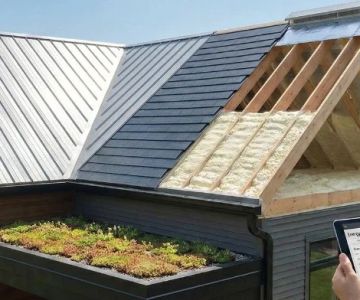
 EP Roofing LLC4.0 (59 reviews)
 Harbor Roofing and Contracting, Inc.3.0 (15 reviews)
 RUMI ROOFING LLC5.0 (4 reviews)
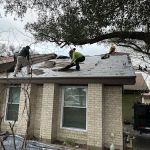 H3 Roofing5.0 (5 reviews)
 M. Pierce Roofing, Inc.5.0 (5 reviews)
 Roofing By Dimoski Homes0.0 (0 reviews)
 How to Seal a Plastic Pipe Vent That is Leaking | Roofing Boot Explained
 Signs Your Roof Deck Is Sagging and How to Address It | Pro Found Roofing
 Residential vs Commercial Roofing: What’s Best for Your Property?
 Roof Replacement Timeline: Step-by-Step Process Explained
 Roof Replacement ROI: How a New Roof Can Increase Home Value
 How to Safely Remove Moss and Algae from Your Roof - Step-by-Step Guide