
Roof Granules in Gutters: What Homeowners Should Record
On this page
Quick answer
Mineral granules can wash from asphalt shingles into gutters and downspout discharge. A small amount may occur with new roofing or ordinary aging, while concentrated loss, exposed dark areas, storm damage, or a sudden change deserves professional evaluation. Photograph what you see from the ground, note roof age and recent weather, and arrange an inspection rather than climbing onto the roof or handling material from a ladder.
Granule quantity alone does not establish remaining roof life or prove an insurance claim.
Victors Home Solutions / victors roofing
2722 E Michigan Ave suite 239, Lansing, MI 48912, USA
What granules do
Granules form the exposed surface of many asphalt shingles. They provide color and help protect the asphalt layer from sunlight and weather. Some loose particles can remain after manufacturing, transport, and installation, and more can release as shingles weather.
Roof design, shingle product, slope, foot traffic, hail, branches, cleaning methods, age, and drainage concentration can affect what reaches a gutter or downspout.

SB Pro Roofing / sb pro roofing
Pinellas ParkPinellas CountyFlorida
6358 49th St N, Pinellas Park, FL 33781, USA
Safe observations
- Stay on firm ground and keep clear of overhead hazards.
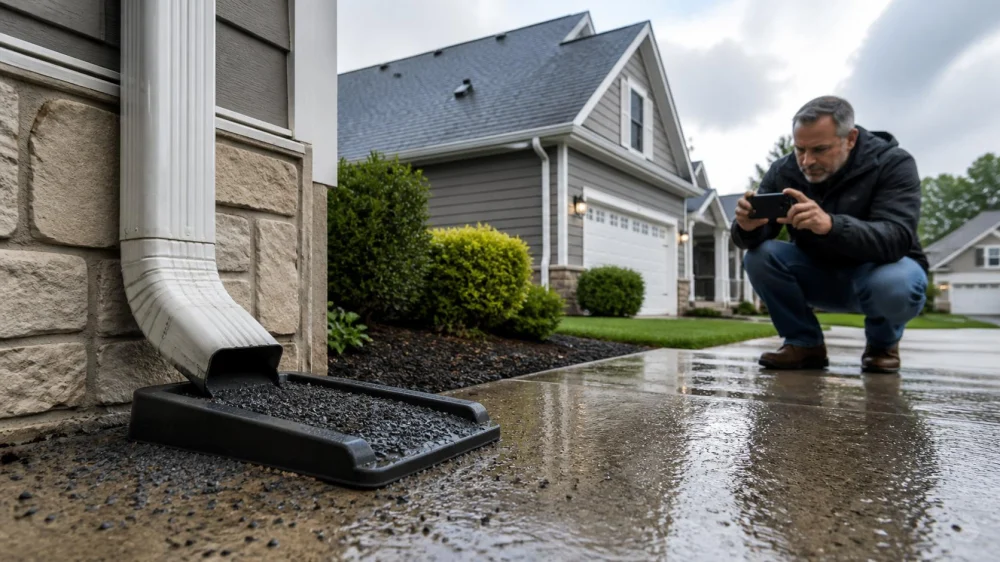
- Photograph granules visible at a downspout outlet or on a splash block.
- Place a common object nearby for scale without touching contaminated runoff material.
- Use zoom photographs to record visible roof areas from the ground.
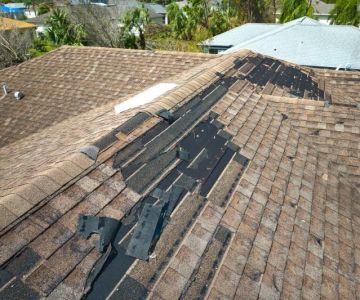
- Look for color differences, dark patches, damaged edges, or debris after a storm.
- Note whether the material appears at one outlet or around the property.
- Repeat photographs from the same location after later rain for comparison.
Do not dismantle downspouts, open gutter guards, or collect material where doing so requires a ladder.
Context that matters
- Approximate roof installation date and shingle product
- Whether the roof is newly installed
- Recent hail, wind, tree contact, snow, or roof work
- Location and number of affected downspouts
- Changes in indoor leaks or attic moisture
- Any recent pressure washing, sweeping, or foot traffic
- Warranty and maintenance records
Ask the contractor to connect the drainage observation to actual shingle condition. A pile at one outlet may reflect how the gutter system concentrates material rather than uniform roof loss.
When to request inspection
Call a qualified roofer after suspected hail or wind damage, a sharp increase in granules, visible bare or dark shingle areas, cracked or missing shingles, interior leakage, or damage near roof edges and valleys. Also request evaluation when an older roof shows several changes at once.
If a storm may involve insurance, photograph conditions promptly and review the policy and claim instructions. Do not sign away benefits or authorize full replacement solely because a door-to-door seller says granules guarantee coverage.
What to ask in the scope
Request photographs tied to roof locations and a written description of shingle surface condition, wind or impact indicators, flashing, penetrations, drainage, and repair options. Ask whether findings are isolated or widespread and whether the proposed work follows the shingle manufacturer’s instructions.
Separate maintenance, repair, and replacement recommendations. Confirm price, materials, permits, schedule, warranties, and cleanup before approving work.
Safety limits
Never climb a wet, icy, hot, steep, or damaged roof to inspect granules. Do not rub shingles, lift tabs, apply coatings, or pressure-wash the surface. These actions can damage the roof and complicate warranty or claim documentation.
Keep children and pets away from downspout debris. Treat any sharp roofing fragments or mixed construction waste as a cleanup hazard.
Frequently asked questions
Are granules after a new roof normal?
Some loose material may wash off, but ask the installer about the amount and any visible surface changes.
Do granules mean hail damage?
Not by themselves. A trained inspection considers impact patterns and other components.
Can I estimate roof life from a handful?
No. Product, age, exposure, drainage, and actual shingle condition all matter.
Should I clean the gutters myself?
Height and access can create serious fall risk. Use a qualified service when safe ground methods are insufficient.
Will a coating replace missing granules?
Do not apply a generic coating. Use manufacturer-compatible repair advice from a qualified contractor.
Sources and evidence notes
This guide reflects common asphalt-shingle construction, drainage observation, fall prevention, and contractor-documentation practice. Specific products have their own aging characteristics, installation instructions, warranties, and repair limits.
Use the shingle manufacturer’s documentation, local code, insurer requirements, and a qualified roofing professional for property-specific decisions.
Conclusion and next steps
Photograph granules where runoff leaves the system, record recent weather and roof history, and compare changes over time. If loss is sudden, concentrated, or accompanied by visible damage or leakage, arrange a documented roof inspection. The useful question is not simply how many granules fell—it is what the roof surface and surrounding details show.


 Roofing Brandon Boys0.0 (0 reviews)
 Great Lakes Systems Inc3.0 (8 reviews)
 Revive Roofing and Restoration4.0 (38 reviews)
 RDE Roofing Contractors5.0 (7 reviews)
 All-Rite Roofing Service4.0 (4 reviews)
 Roof Replacement Lio Contractors5.0 (13 reviews)
 How to Install Step Flashing on a Roof to Wall Intersection
 Best Roofing Options for Energy Efficiency
 How Much a Flat Roof Replacement Really Costs in 2026
 The Best Ventilation Systems for a Hot Attic: Reducing Heat Buildup in Summer
 How to Install a Roof on a New Addition: Matching Existing Materials and Style
 The Environmental Impact of Your Roofing Choices: Making Eco-Friendly Decisions