1-Why Attic Ventilation is Crucial for Reducing Heat Buildup
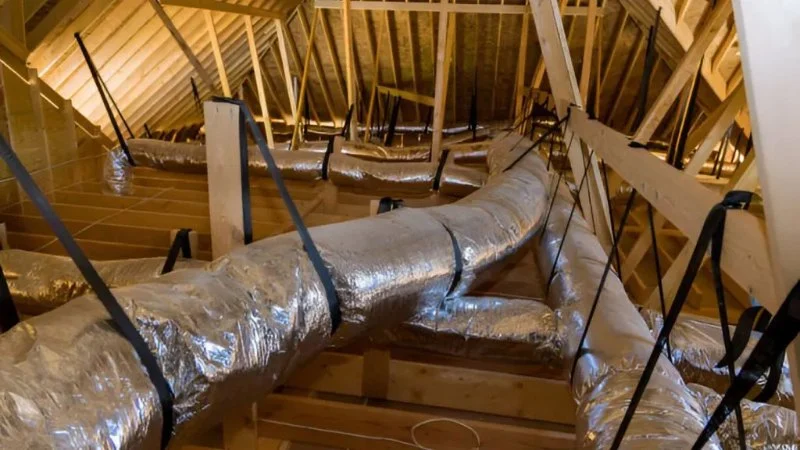
Attic ventilation is an essential component of your home's overall energy efficiency and comfort, especially during the hot summer months. Without proper ventilation, heat can build up in your attic, making your home unbearably hot and increasing your cooling costs. This trapped heat can also lead to long-term damage to your roof and insulation.
When the attic temperature rises, it can cause your air conditioning system to work harder, resulting in higher energy bills. Additionally, the accumulated heat can damage roofing materials, cause your insulation to degrade, and even create the perfect environment for mold growth. Therefore, reducing heat buildup in your attic through proper ventilation is crucial to maintaining a comfortable, energy-efficient home.

Rapid Response Roofing / rapid response roofing
East GreenvilleMontgomery CountyPennsylvania
408 State St, East Greenville, PA 18041, USA
2-Different Types of Attic Ventilation Systems
There are several types of ventilation systems designed to keep your attic cool and properly ventilated. Choosing the right system depends on factors like the size of your attic, your climate, and your budget. Below are some common options:

JK Contractors / jk roofing
West BendOzaukee CountyWisconsin
3058 County Rd Y, West Bend, WI 53095, USA
2.1 Passive Ventilation
Passive ventilation relies on natural airflow to ventilate your attic. This system typically includes vent openings at the eaves (soffit vents) and higher vents near the roof peak (ridge vents). The idea is to allow cool air to enter through the soffit vents while hot air escapes through the ridge vents, creating a continuous flow of air. This is a low-maintenance and energy-efficient solution, although its effectiveness depends on the design of your home.
2.2 Powered Ventilation
Powered ventilation systems use electric fans to actively push air in and out of your attic. These fans can be installed in the roof or attic space and work in tandem with other ventilation methods to create a more controlled airflow. Powered attic fans are especially useful in hot climates where passive ventilation may not be sufficient. They help expel hot air quickly and efficiently, significantly reducing heat buildup.
2.3 Solar-Powered Ventilation
For those looking to reduce energy consumption even further, solar-powered attic fans are a great option. These fans use energy from the sun to power the fan, eliminating electricity costs entirely. Solar-powered ventilation is an eco-friendly and cost-effective solution, particularly for homes in sunny areas where solar panels are a viable option.
3-How to Choose the Best Ventilation System for Your Attic
Choosing the right ventilation system for your attic can be challenging, but understanding your home’s needs and the available options will help you make the best decision. Here are a few factors to consider when selecting an attic ventilation system:
3.1 Size of Your Attic
The size of your attic plays a significant role in determining the ventilation system you need. Larger attics will require more ventilation to effectively expel hot air. Measure the square footage of your attic and consult with a professional to determine the appropriate ventilation capacity needed for your home.
3.2 Local Climate
In areas with extreme summer temperatures, a powered or solar-powered ventilation system may be necessary to efficiently cool the attic. On the other hand, cooler climates may only need passive ventilation. Consider your climate when choosing the type of ventilation system that will work best for you.
3.3 Budget
Budget is an important consideration, especially if you are looking for long-term cost savings. While passive ventilation systems tend to be the most affordable and energy-efficient, powered and solar-powered systems can offer faster results. However, they require an upfront investment and may need occasional maintenance. Weigh the initial costs and long-term savings to make an informed decision.
4-Tips for Installing and Maintaining Attic Ventilation Systems
Proper installation and maintenance are crucial for ensuring the long-term effectiveness of your attic ventilation system. Here are some tips to keep in mind:
4.1 Professional Installation
While some homeowners may be comfortable installing attic ventilation systems themselves, it is often best to hire a professional. A roofing or ventilation expert can assess your attic’s needs and ensure that the system is installed correctly. This will help avoid any future problems, such as inadequate airflow or damage to the roofing structure.
4.2 Regular Maintenance
For powered and solar-powered ventilation systems, it is important to perform regular maintenance to ensure that the fans and motors are functioning properly. Check the fans for dirt or debris, clean the vents, and ensure there are no blockages. For passive systems, simply ensure that the vents are not obstructed by insulation, debris, or other materials.
4.3 Monitoring Effectiveness
After installation, monitor the temperature in your attic to ensure that the ventilation system is working effectively. If you notice that your attic still gets excessively hot, consider adding more ventilation or upgrading to a more powerful system.
5-Real Case Study: How Proper Ventilation Reduced Heat in an Attic
A homeowner in Arizona noticed that their attic was unbearably hot during the summer months, which led to high energy bills and discomfort in the living areas of the home. After consulting with a roofing expert, they decided to install a solar-powered attic fan in combination with ridge and soffit vents.
Within weeks of installation, the homeowner noticed a significant reduction in attic temperature, as well as lower cooling costs. The solar-powered fan efficiently expunged hot air, while the ridge and soffit vents worked together to maintain optimal airflow. This combination of ventilation systems ensured that the attic remained cool, improving the home’s overall energy efficiency and comfort.
If you’re considering upgrading your attic ventilation system or need expert advice on which system is best for your home, visit Pro Found Roofing for top-quality products and professional installation services.
 Above and Beyond LLC5.0 (3 reviews)
 Mc Enany Roofers3.0 (20 reviews)
 Marcum Roofing & Siding5.0 (1 reviews)
 The Roof Sharks5.0 (18 reviews)
 T&M Roof Restoration0.0 (0 reviews)
 Glen Cove Legacy Roof Repair0.0 (0 reviews)
 What to Do When Your Roof Fails a Home Inspection – Expert Tips and Solutions
 The Cost of Replacing Roof Decking: When and Why It's Necessary
 What to Do If Your Roof Starts Leaking During a Storm in the US
 How to Install Ridge Shingles and Caps for a Finished and Watertight Roof
 The Benefits of a Class 4 Impact-Resistant Roof: Insurance Discounts and Durability
 How to Clean Your Roof with a Leaf Blower for Regular Debris Maintenance