- What is a Roofing Nail?
- Types of Roofing Nails
- Why Plastic Cap Nails Are Used for Underlayment Only
- Benefits of Using Plastic Cap Nails for Underlayment
- Why Choose Pro Found Roofing for Your Roofing Needs
What is a Roofing Nail?
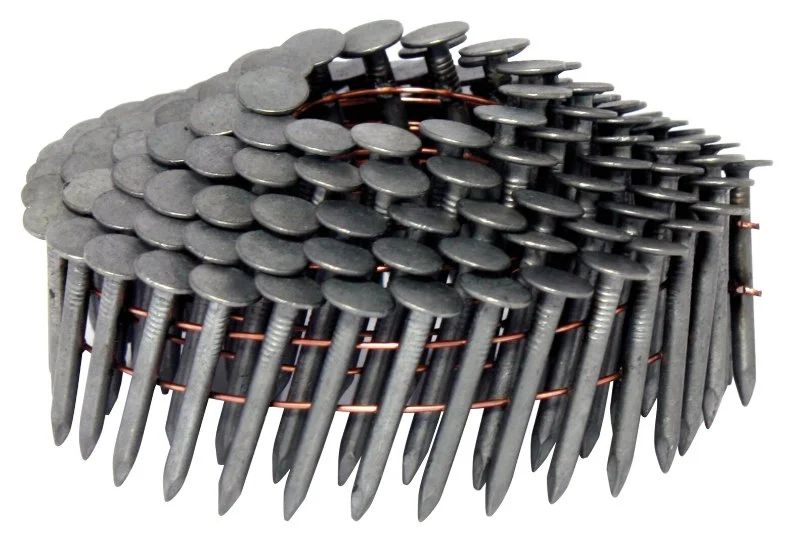
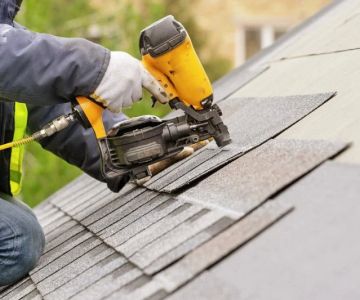
A roofing nail is a specialized fastener used to secure roofing materials, such as shingles, to the roof deck. These nails are designed to provide a strong, durable hold, ensuring that the roofing materials stay in place under various weather conditions. Roofing nails typically have a larger, flat head to prevent the nail from pulling through the roofing material, and they are made from materials like galvanized steel to resist rust and corrosion.
Roofing nails are essential for installing not only shingles but also other roofing components, such as underlayment, flashing, and metal panels. The proper choice of roofing nails can significantly affect the integrity and longevity of a roof, making it essential to choose the right type for the job.

Rapid Response Roofing / rapid response roofing
East GreenvilleMontgomery CountyPennsylvania
408 State St, East Greenville, PA 18041, USA
Types of Roofing Nails
There are several different types of roofing nails, each designed for specific roofing materials and applications. The most common types include:
- Steel Roofing Nails: These are the most common and are used for a variety of roofing materials. They are often galvanized to prevent rusting and are available in different sizes.
- Copper Roofing Nails: Copper nails are used for high-end roofing materials like copper shingles or metal roofing. They resist corrosion and blend well with the roofing material.
- Aluminum Roofing Nails: Lightweight and resistant to corrosion, aluminum nails are often used for lightweight roofing materials such as aluminum sheets.
- Plastic Cap Nails: These nails have a plastic cap that is used specifically for securing roofing underlayment. The cap provides additional holding power and prevents damage to the material.
While all of these nails serve the same basic function, choosing the right one depends on the roofing material, climate conditions, and specific needs of your project.

JK Contractors / jk roofing
West BendOzaukee CountyWisconsin
3058 County Rd Y, West Bend, WI 53095, USA
Why Plastic Cap Nails Are Used for Underlayment Only
Plastic cap nails are commonly used for securing underlayment, which is a layer of protective material installed beneath the shingles. The plastic cap on these nails offers several advantages when used for underlayment installation:
- Increased Holding Power: The plastic cap provides a larger surface area for the nail to grip the underlayment material, ensuring that it stays in place during installation and throughout the life of the roof.
- Protecting the Underlayment: The cap helps distribute the force of the nail across a wider area, which prevents the underlayment from being punctured or damaged by the nail. This is especially important for synthetic underlayment, which can be more delicate than traditional felt paper.
- Easy Installation: The large plastic cap makes it easier to handle the nails during installation, reducing the chances of hitting the wrong spot and causing damage to the underlayment.
- Prevention of Wind Uplift: The large cap also helps to secure the underlayment more effectively against wind uplift, a critical concern in areas prone to high winds.
However, while plastic cap nails are perfect for underlayment, they are not typically used for securing shingles or other roofing materials. This is because the cap can interfere with the smooth placement of shingles and may cause the roofing material to lift or become misaligned.
Benefits of Using Plastic Cap Nails for Underlayment
Using plastic cap nails for underlayment offers several advantages:
- Enhanced Durability: The plastic cap helps ensure that the underlayment remains securely fastened, even in harsh weather conditions. This durability is essential for preventing leaks and ensuring the long-term protection of your roof.
- Improved Water Resistance: By preventing punctures in the underlayment, plastic cap nails help to maintain the water resistance of the roofing system. This can prevent water from seeping into the roof structure and causing damage.
- Cost-Effective: Plastic cap nails are affordable, making them an economical choice for securing underlayment. They are often used in large quantities for residential roofing projects, where cost savings can add up.
- Easy to Find and Use: Plastic cap nails are widely available and easy to use. They are commonly stocked at home improvement stores and roofing supply companies, making them a convenient choice for roofing contractors and DIY homeowners.
While they are ideal for underlayment, it’s important to remember that plastic cap nails should not be used for securing shingles or other top layers, as the caps could interfere with proper shingle installation.
Why Choose Pro Found Roofing for Your Roofing Needs
If you're looking for high-quality roofing materials or need professional roofing services, Pro Found Roofing is here to help. We offer a wide range of roofing nails, including plastic cap nails, to ensure that your underlayment is properly secured. Our team of roofing experts can provide you with the advice and materials you need for a successful roofing project.
Visit Pro Found Roofing today for the best roofing solutions, products, and services to ensure your roof stays secure and durable for years to come!
 VA Commercial Roofers4.0 (28 reviews)
 Nations Roof - Corporate Headquarters0.0 (0 reviews)
 ProRoofing - Atlanta5.0 (102 reviews)
 Central Roofing of Champaign4.0 (56 reviews)
 Infinity Roofing5.0 (29 reviews)
 Mr. Roof Grand Rapids4.0 (401 reviews)
 How to Safely Install a New Roof Over an Old One: Legal and Practical Facts
 Energy-Efficient 'Cool Roofs': How They Can Significantly Lower Your Cooling Bills
 How to Install a Roof Vent for a Bathroom that Has No Existing Ventilation
 How Hail Damage Affects Your Roof's Lifespan and Performance Over Time
 The Process of Installing a TPO Roof with Welded Seams for a Perfect Seal
 The Best Attic Insulation Types to Work with Your Roofing System for Efficiency