The Best Roofing Materials for a Home in a Heavy Rainfall Climate
- 1-Why Roofing Material Matters in Heavy Rainfall Climates
- 2-Top Roofing Materials for Wet Conditions
- 3-Pros and Cons of Each Roofing Material
- 4-Maintenance Considerations for Rainy Regions
- 5-How to Choose the Right Roofing Material
When building or renovating a home in a region with heavy rainfall, choosing the right roofing material is crucial. In areas prone to persistent rain, the roof must be able to withstand constant exposure to water, prevent leaks, and offer long-term durability. This article will explore the best roofing materials for homes in wet climates and guide you in making an informed decision.

Holden Roofing (Houston Corporate) / holden roofing
RosenbergFort Bend CountyTexas
2128 1st St, Rosenberg, TX 77471, USA
2-Top Roofing Materials for Wet Conditions
Several roofing materials perform well in areas with heavy rainfall, providing the necessary protection against water damage. Here are some of the best options:
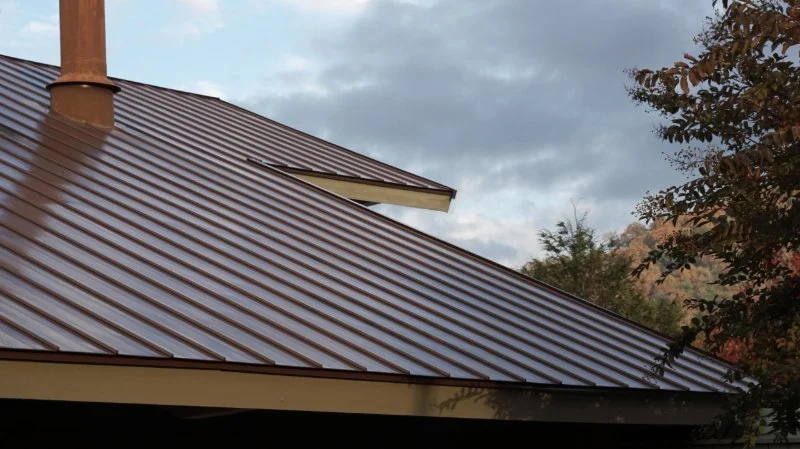
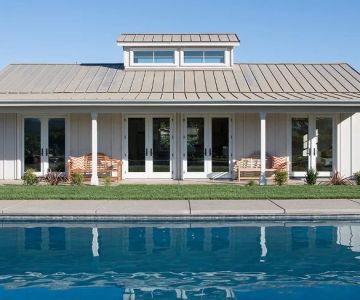
- Metal Roofing: Metal roofs are highly durable and water-resistant, making them one of the best choices for wet climates. They are also fire-resistant and require minimal maintenance.
- Clay and Concrete Tiles: Known for their longevity and resistance to water, clay and concrete tiles are an excellent option for homes in rainy areas. They offer a unique aesthetic but can be heavy and expensive.
- Asphalt Shingles: While asphalt shingles are not as durable as metal or tile, they are cost-effective and can still perform well in wet conditions if properly installed and maintained.
- Slate Roofing: Slate is a high-quality natural stone that offers superior water resistance. Although it is expensive, it can last for decades and withstand heavy rainfall without issue.
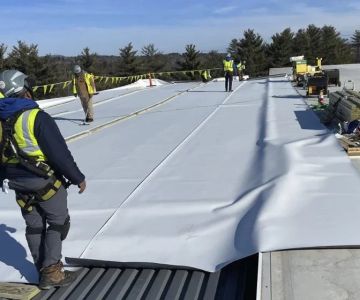
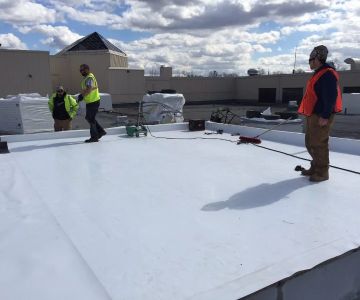
- Rubber Roofing (EPDM): EPDM rubber roofing is a synthetic option that is highly resistant to water and weathering. It’s ideal for flat roofs and is commonly used in areas with frequent rainfall.
3-Pros and Cons of Each Roofing Material
While each roofing material has its strengths, it's important to consider both the advantages and disadvantages of each option in a heavy rainfall climate.

SB Pro Roofing / sb pro roofing
Pinellas ParkPinellas CountyFlorida
6358 49th St N, Pinellas Park, FL 33781, USA
Metal Roofing
- Pros: Durable, water-resistant, energy-efficient, low-maintenance.
- Cons: Expensive upfront cost, can dent in extreme weather conditions.
Clay and Concrete Tiles
- Pros: Long-lasting, highly resistant to water, fire-resistant.
- Cons: Heavy, high installation cost, fragile if walked on improperly.
Asphalt Shingles
- Pros: Affordable, widely available, easy to install.
- Cons: Shorter lifespan, less durable in extreme weather.
Slate Roofing
- Pros: Extremely durable, beautiful aesthetic, long-lasting.
- Cons: Expensive, heavy, requires professional installation.
Rubber Roofing (EPDM)
- Pros: Water-resistant, flexible, low maintenance, ideal for flat roofs.
- Cons: Less aesthetic appeal, can be damaged by sharp objects.
4-Maintenance Considerations for Rainy Regions
Regular maintenance is essential, especially in regions with heavy rainfall. Here are some key maintenance tips:
- Inspect Regularly: Check for signs of wear, damage, or leaks, particularly after storms.
- Clean Gutters: Ensure gutters are free of debris to prevent water backup and potential leaks.
- Seal Cracks: If using a material like asphalt shingles, ensure any gaps or cracks are sealed to prevent water infiltration.
- Trim Overhanging Trees: Overhanging branches can damage roofing materials during storms, so keep them trimmed.
5-How to Choose the Right Roofing Material
When selecting the right roofing material for your home in a heavy rainfall climate, consider the following factors:
- Climate and Weather Conditions: Understand the severity of the rainfall and whether you experience high winds or storms.
- Roof Type: Consider whether your roof is sloped or flat, as some materials perform better on certain types of roofs.
- Budget: Determine how much you are willing to spend, considering both initial cost and long-term maintenance.
- Aesthetic Preference: Choose a material that complements the style of your home while providing durability.
By considering these factors, you can select the best roofing material that offers both protection and style for your home in a rainy climate. For more expert advice and roofing solutions, visit Pro Found Roofing, where you can find the perfect roofing products and services tailored to your needs.
 Roberts Restorations, Inc5.0 (16 reviews)
 Infinity Exteriors5.0 (19 reviews)
 A&M property solutions5.0 (4 reviews)
 Rick's Roofing and Restoration, LLC4.0 (40 reviews)
 Orange County Roof Inspection5.0 (1 reviews)
 Kulp's of Stratford, LLC4.0 (11 reviews)
 The True Cost of a Roof Inspection: Why a Thorough One is Worth Paying For
 How to Choose a Roofing Contractor Who Offers a No-Leak Guarantee
 The Benefits of a White TPO Roof for Reflecting Sunlight and Saving Energy
 The Average Lifespan of an Asphalt Shingle Roof in Different Climate Zones
 The Best Time of Year to Replace or Repair Your Roof | Pro Found Roofing
 The Signs of a Roof Leak in Your Attic: Stains, Mold, and Wet Insulation