

- 1. When to Inspect Your Roof After a Storm
- 2. Signs of Roof Damage from Wind or Hail
- 3. How to Perform a Roof Inspection
- 4. When to Call a Professional Roofing Contractor
- 5. Ongoing Roof Maintenance Tips
1. When to Inspect Your Roof After a Storm
After a major wind or hail event, it’s important to inspect your roof as soon as possible to prevent further damage. Ideally, you should inspect your roof within 24-48 hours after the storm. However, waiting until the storm has completely passed and conditions are safe is crucial.
- Check Weather Conditions: Ensure that all storm activity has ended and that it is safe to go outside before starting your inspection.
- Assess the Storm's Severity: If the storm was particularly severe, consider waiting a few days for the roof to settle before inspecting.
- Safety First: If you're unsure about climbing onto your roof or it’s too dangerous, it's best to hire a professional roofing contractor to inspect the roof.
2. Signs of Roof Damage from Wind or Hail
After any major storm, especially those involving heavy winds or hail, look out for the following signs of roof damage:
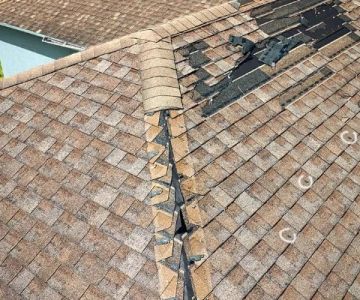
- Missing or Damaged Shingles: Hail can easily break or displace shingles, while strong winds can lift them off entirely.
- Cracks or Dents: Look for cracks, dents, or holes in the shingles or roofing materials. These are common after hailstorms.
- Granule Loss: Check for granules from asphalt shingles in your gutters or on the ground. Granule loss can lead to further roof degradation.
- Leaks: Inside the house, look for water stains or signs of leaks on ceilings or walls, which may indicate roof damage.
3. How to Perform a Roof Inspection
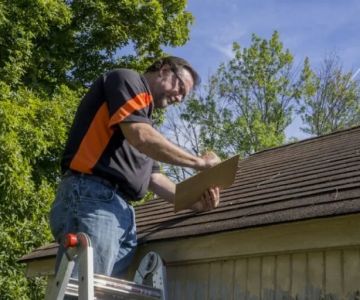
Performing a roof inspection after a wind or hail storm is an essential task to maintain the integrity of your roof. Here’s how you can do it:
- Visual Inspection: Start with a visual inspection from the ground. Use binoculars to spot obvious signs of damage, such as missing shingles or large debris on the roof.
- Inspect the Roof’s Edge: Check the roof's edges for signs of uplifted shingles or damage, as this is where wind forces are most concentrated.
- Gutter Check: Inspect the gutters for granules or debris, as this can indicate damage to the shingles.
- Look for Leaks: Inspect the interior of your home for water spots on ceilings or walls. This could indicate water penetration from damaged areas on the roof.
4. When to Call a Professional Roofing Contractor
While you can perform a basic roof inspection, certain situations call for professional help. Here’s when you should consider calling a roofing expert:
- Severe Damage: If you notice significant damage or if your roof shows signs of structural compromise, contact a professional contractor immediately.
- High Risk: If it’s too dangerous for you to safely access your roof, hiring a professional who has the proper equipment is essential.
- Insurance Claims: If you plan to file an insurance claim, many insurance companies require a professional roof inspection to assess the damage.
5. Ongoing Roof Maintenance Tips
To prolong the life of your roof and prevent future issues, regular maintenance is key. Here are a few tips:
- Annual Inspections: Have your roof inspected at least once a year, especially after major storms or seasonal changes.
- Clean Gutters: Regularly clean gutters to prevent water from backing up onto the roof and causing damage.
- Trim Trees: Keep trees trimmed away from your roof to reduce the risk of branches causing damage during storms.
By inspecting your roof after a major storm, you can identify potential issues early and prevent costly repairs. If you're unsure about your inspection or need professional assistance, visit Pro Found Roofing for expert roof inspections and services.

 Mike's Roofing Repair and Carpentry5.0 (25 reviews)
 Bill Embrey Roofing Company3.0 (10 reviews)
 All Weather Systems, Inc5.0 (5 reviews)
 R4 Roofing and Reconstruction5.0 (12 reviews)
 Indiana Steel Roofing2.0 (3 reviews)
 Noblesville Roofer5.0 (3 reviews)
 Best Time of Year to Replace or Repair Your Roof in the U.S.
 How to Identify and Repair Damaged Roof Soffits and Fascia
 How to Negotiate with a Roofing Contractor Without Sacrificing Quality
 How to Install Ice and Water Shield on Entire Roof Deck for Maximum Protection
 The Difference Between Roof Repair and Roof Restoration: Which Do You Need?
 How to Choose a Roof Color That Won't Go Out of Style for Resale | Pro Found Roofing