What is a Roofing Membrane? A Guide to EPDM, TPO, and PVC for Flat Roofs
A roofing membrane is an essential component for flat roof systems, providing a durable barrier to water, weather, and external elements. Among the various types of roofing membranes, EPDM, TPO, and PVC are some of the most popular choices for flat roofs. This guide will take you through the benefits, features, and key differences of each of these roofing membranes, helping you make an informed decision for your next roofing project.
- 1. What is EPDM Roofing?
- 2. What is TPO Roofing?
- 3. What is PVC Roofing?
- 4. EPDM vs TPO vs PVC: A Comparison
- 5. Installation and Maintenance of Roofing Membranes
- 6. Cost Considerations for Roofing Membranes
1. What is EPDM Roofing?
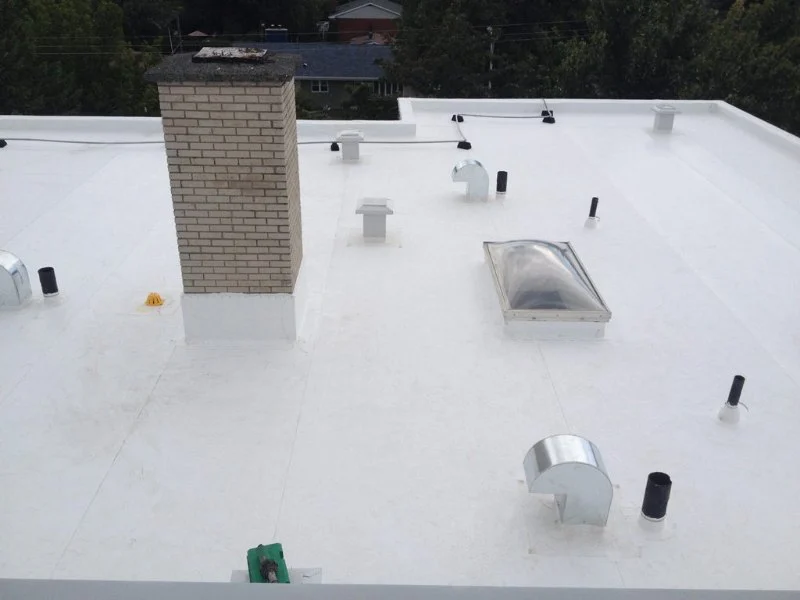
EPDM (Ethylene Propylene Diene Monomer) is a type of synthetic rubber roofing membrane known for its durability and flexibility. It is commonly used in flat roof applications due to its ability to withstand extreme weather conditions. EPDM is resistant to UV rays, ozone, and extreme temperatures, making it an excellent option for both commercial and residential roofs.
Absolute Roofing / absolute roofing
TimoniumBaltimore CountyMaryland
22 W Padonia Rd # B229, Timonium, MD 21093, USA
2. What is TPO Roofing?
TPO (Thermoplastic Olefin) roofing is a single-ply membrane that is known for its energy efficiency and environmental benefits. TPO roofs are highly reflective, helping to reduce cooling costs by reflecting UV rays and sunlight. This makes TPO an excellent choice for homeowners and businesses looking to improve energy efficiency. Additionally, TPO is resistant to heat, UV radiation, and chemical exposure.

JK Contractors / jk roofing
West BendOzaukee CountyWisconsin
3058 County Rd Y, West Bend, WI 53095, USA
3. What is PVC Roofing?
PVC (Polyvinyl Chloride) roofing is a durable, energy-efficient, and waterproof roofing solution. Known for its long lifespan and excellent resistance to weathering, PVC is often used in commercial buildings due to its strength and reliability. PVC membranes are highly resistant to chemical exposure, which makes them ideal for roofs in industrial environments or locations with high chemical exposure.
4. EPDM vs TPO vs PVC: A Comparison
When choosing a roofing membrane, it’s important to consider factors such as cost, energy efficiency, lifespan, and weather resistance. Here’s a quick comparison:
- EPDM is the most affordable option and offers great weather resistance, but it has lower energy efficiency compared to TPO and PVC.
- TPO is known for its energy efficiency and reflective properties, making it a great choice for those looking to lower energy bills, but it can be more expensive than EPDM.
- PVC offers superior resistance to chemicals and weathering, but it is generally the most expensive option of the three.
5. Installation and Maintenance of Roofing Membranes
Installation and maintenance are crucial to the longevity of your roofing membrane. EPDM, TPO, and PVC each have their own installation requirements, but all typically involve a professional installation for the best results. EPDM and TPO are often installed using adhesives or mechanical fastening systems, while PVC can be welded using hot-air techniques. Regular inspections and maintenance can extend the life of your roof, ensuring it continues to perform optimally.
6. Cost Considerations for Roofing Membranes
Cost is an important factor to consider when choosing a roofing membrane. EPDM is the most cost-effective option, with lower initial installation costs compared to TPO and PVC. However, TPO and PVC may offer greater long-term savings due to their energy efficiency and durability. While TPO and PVC may have higher upfront costs, their energy savings and long-term performance may justify the investment for some homeowners and businesses.
Choosing the right roofing membrane is essential for ensuring the longevity and efficiency of your flat roof. Whether you opt for EPDM, TPO, or PVC, each material offers unique benefits that can suit different needs and budgets. By understanding the key differences between these roofing systems, you can make a more informed decision that will protect your building for years to come.
If you’re considering a roofing upgrade or need professional advice, visit Pro Found Roofing for the best products, services, and roofing solutions tailored to your needs.
 Sherriff Goslin Roofing: Benton Harbor4.0 (44 reviews)
 Duranso Roofing5.0 (6 reviews)
 Roof Pros Storm Division, Inc.5.0 (1 reviews)
 Hamilton Bros. Roofing Company4.0 (60 reviews)
 Stevers Roof Side Remodel Ltd4.0 (8 reviews)
 Element Roofing4.0 (42 reviews)
 How to Choose a Roofing Contractor Who is an Authorized Installer for the Brand
 Understanding Green Roofs: Benefits, Installation, and Considerations
 What to Do When Your Roof Fails a Home Inspection – Expert Tips and Solutions
 How Often Should You Replace Your Roof? The Key Factors That Determine Its Lifespan
 How to Choose the Right Gutter System to Protect Your Roof and Foundation
 How to Deal With Water Damage From Roof Ice Dams