
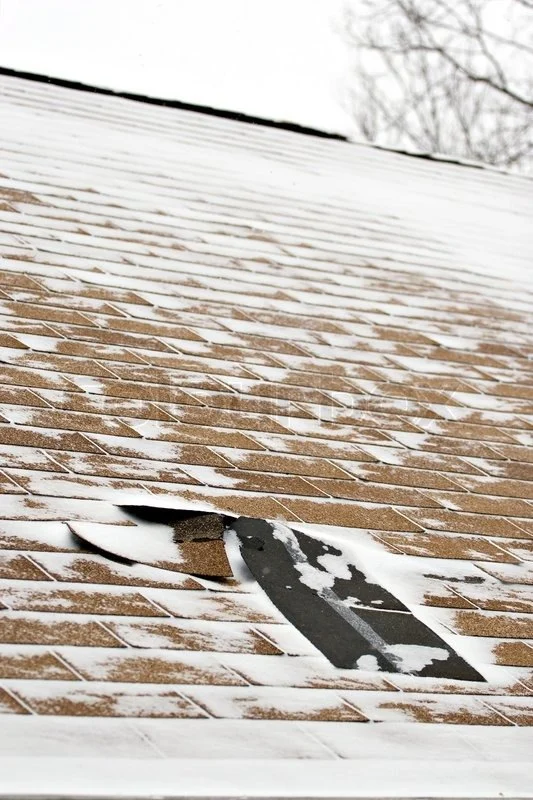
1. Introduction to the Impact of Winter Weather on Roofing Materials
As winter settles in, the weather can have a profound impact on the condition of your roof. Cold temperatures, snow, ice, and strong winds are all factors that can affect various roofing materials in different ways. Understanding how winter weather causes crackling and shrinking of roofing materials is essential for homeowners and property managers, especially in regions that experience harsh winters. This article explores how different roofing materials react to winter conditions and provides helpful tips to prevent damage.

Holden Roofing (Houston Corporate) / holden roofing
RosenbergFort Bend CountyTexas
2128 1st St, Rosenberg, TX 77471, USA
2. Why Winter Weather Causes Roofing Materials to Crackle and Shrink
The most common roofing materials, such as asphalt shingles, metal, and wood, all react differently to the cold, leading to a variety of issues such as cracking, shrinking, and even warping. The primary cause of these issues is the extreme temperature fluctuations and moisture changes that occur during the winter months. Let’s explore the specific factors in detail:
Victors Home Solutions / victors roofing
2722 E Michigan Ave suite 239, Lansing, MI 48912, USA
2.1. Asphalt Shingles
Asphalt shingles are one of the most common roofing materials, but they are particularly susceptible to cracking and shrinking during winter. When temperatures drop, the shingles contract, and as they heat up during the day, they expand again. Over time, this constant expansion and contraction can lead to the shingles becoming brittle and cracking. Additionally, the accumulation of snow and ice can cause the shingles to warp, especially around the edges.
2.2. Metal Roofs
Metal roofing materials, such as steel or aluminum, are generally more resistant to cold weather than asphalt shingles. However, they are not immune to damage. Metal roofs can expand and contract with temperature fluctuations, leading to the development of cracks or loose seams. When ice or snow melts and refreezes, it can seep into any gaps, leading to further damage.
2.3. Wood Shingles and Shakes
Wood roofing materials are particularly vulnerable to moisture damage in winter. The freezing and thawing of snow and rain can cause the wood to swell and shrink, leading to cracking and splitting. Over time, this can compromise the integrity of the roof and require costly repairs or replacements.
3. The Effect of Ice Dams and Snow Accumulation
Another significant problem caused by winter weather is the formation of ice dams. Ice dams form when heat escapes from the attic, causing snow to melt and then refreeze at the edge of the roof. This creates a barrier of ice, preventing proper drainage and causing water to back up under the shingles. The resulting pressure can lead to leaks, cracks, and other structural damage to the roof. Snow accumulation can also add weight to the roof, causing additional stress and potentially leading to the bending or cracking of roofing materials.
4. Preventing Winter Weather Damage to Your Roof
While it’s impossible to fully protect your roof from the harsh effects of winter weather, there are steps you can take to minimize damage:
4.1. Regular Roof Inspections
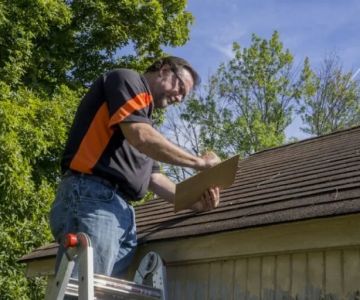
Regular roof inspections are critical for identifying potential problems before they become serious. Look for signs of damage such as cracked shingles, loose metal panels, or areas where water may be pooling. Scheduling an inspection before the winter season can help you address any issues and prevent costly repairs down the road.
4.2. Insulation and Ventilation
Proper insulation and ventilation in your attic can prevent ice dams from forming. Ensure your attic is well-ventilated, which helps maintain a consistent temperature on the roof. Proper insulation also reduces the amount of heat that escapes from your home, keeping your roof cooler and minimizing the risk of ice dams.
4.3. Roof Maintenance and Repairs
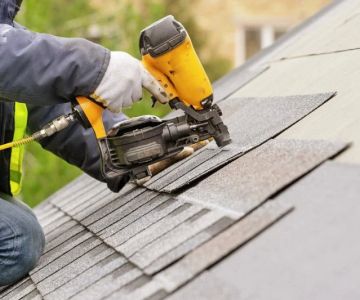
If you notice any signs of damage, such as cracked shingles or metal seams, it’s important to address the issue promptly. Minor repairs can prevent more extensive damage from occurring. You may also want to consider applying a protective coating to your roof to increase its resistance to winter weather.
5. Real-Life Case Study: Winter Roof Damage
Let’s look at an example of a homeowner in Colorado who experienced severe roof damage during the winter season. The homeowner had an asphalt shingle roof that had been installed a few years prior. As the temperature fluctuated drastically throughout the winter, the shingles contracted and expanded, eventually causing cracks and leaks. The homeowner didn’t notice the damage until a water leak began in the attic. After a professional inspection, it was clear that the ice dam buildup combined with the brittle shingles had caused the damage. Thankfully, the homeowner was able to get the roof repaired before the issue worsened. This case highlights the importance of early detection and timely repairs.
6. Conclusion: Protecting Your Roof from Winter's Impact
Winter weather can have a serious impact on the integrity of your roof. Understanding how different materials react to the cold and taking proactive steps can help you prevent damage and costly repairs. Whether you have asphalt shingles, a metal roof, or wood shakes, regular maintenance and timely repairs are key to protecting your home during the colder months. For high-quality roofing materials and services that can withstand the harshest winter conditions, visit Pro Found Roofing today to explore our selection of durable roofing solutions.
 Invictus Roofing and Solar5.0 (159 reviews)
 Star Roofing, LLC5.0 (48 reviews)
 Veteran Owned Roofing4.0 (194 reviews)
 Top Pro Roofing Repair Florham Park4.0 (10 reviews)
 Serrano Contractors LLC5.0 (104 reviews)
 Roof Repair Services of La Porte5.0 (1 reviews)
 What to Do When Your Roof Fails a Home Inspection: Expert Advice
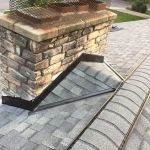 Why You Need a Roofing Cricket Behind a Large Chimney to Prevent Damage
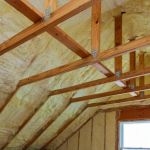 The Best Attic Insulation Types to Work with Your Roofing System for Efficiency
 Roofing Warranties Explained: What’s Covered and What’s Not
 The Average Cost of a Metal Roof for a 2,000 Square Foot Home
 Top Mistakes Homeowners Make During Roof Repairs – How to Avoid Them