- - 1. What are Green Roofs?
- - 2. How Green Roofs Work
- - 3. The Benefits of Green Roofs
- - 4. Installation Considerations for Green Roofs
- - 5. Conclusion: Why You Should Consider a Green Roof
1. What are Green Roofs?
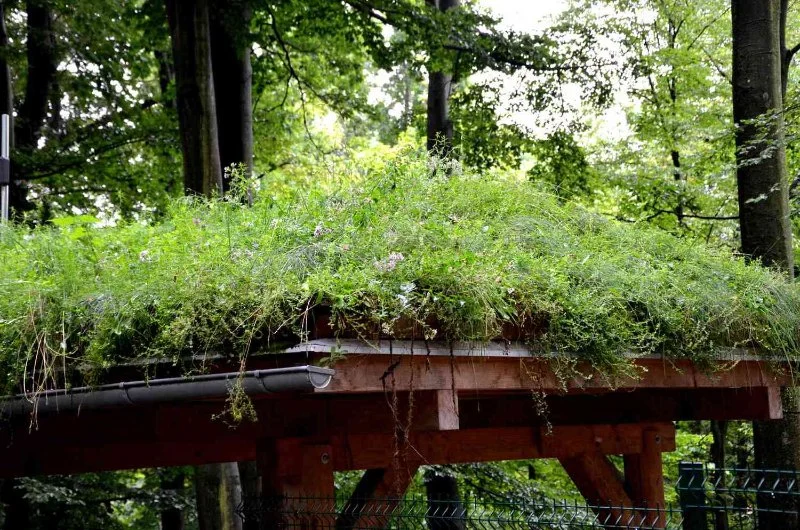
Green roofs, also known as living roofs, are roofing systems that are covered with vegetation. These roofs are a growing trend in sustainable architecture and urban development. They involve planting a variety of plants on a waterproof membrane that is placed over the roof structure. Green roofs offer a natural solution to improving building performance by providing insulation, reducing energy costs, and contributing to environmental sustainability.
Not only do green roofs offer aesthetic value, but they also help manage stormwater, reduce urban heat islands, and enhance biodiversity. These roofs can be installed on both residential and commercial buildings, offering an eco-friendly alternative to traditional roofing methods.
Lance Roofing & Siding Inc. / lance roofing and siding
6903 Dayton Springfield Rd, Enon, OH 45323, USA
2. How Green Roofs Work
Green roofs consist of several layers that work together to provide a functional and sustainable system. The basic components of a green roof include:
- Waterproof Membrane: This layer protects the building from leaks and water damage.
- Root Barrier: Prevents plant roots from penetrating the building’s structure.
- Drainage Layer: Allows excess water to flow off the roof, preventing waterlogging.
- Growing Medium: A lightweight soil substitute that supports plant growth.
- Vegetation: The plants that make up the green cover, such as grasses, herbs, and small shrubs.
The success of a green roof depends on proper installation and the selection of appropriate plants that can thrive in the conditions of the roof. The vegetation helps absorb rainfall, reduces stormwater runoff, and adds insulation to the building, keeping it cooler in the summer and warmer in the winter.

JK Contractors / jk roofing
West BendOzaukee CountyWisconsin
3058 County Rd Y, West Bend, WI 53095, USA
3. The Benefits of Green Roofs
Green roofs provide a wide range of benefits for both homeowners and the environment. Some of the key advantages include:
- Improved Insulation: Green roofs help regulate indoor temperatures by providing an additional layer of insulation, reducing the need for heating and cooling.
- Energy Efficiency: By maintaining a more stable indoor temperature, green roofs can lower energy consumption, helping reduce utility bills.
- Stormwater Management: Green roofs absorb rainwater, reducing runoff and the strain on urban drainage systems during heavy rainfall.
- Air Quality Improvement: Plants on green roofs filter pollutants from the air, improving overall air quality in urban areas.
- Enhanced Biodiversity: Green roofs provide a habitat for birds, insects, and other wildlife, helping to enhance urban biodiversity.
- Extended Roof Lifespan: The protection provided by the green roof layers helps prevent UV damage and extends the life of the roofing material.
4. Installation Considerations for Green Roofs
Before installing a green roof, there are several factors to consider to ensure the system is successful and sustainable:
- Roof Structure: The building’s roof must be strong enough to support the weight of a green roof, which includes the soil, plants, and water. Structural modifications may be necessary.
- Climate and Plant Selection: Choose plants that are suitable for the local climate and weather conditions. Succulents, grasses, and drought-resistant plants are commonly used for green roofs.
- Watering and Maintenance: Green roofs require regular maintenance to ensure the plants stay healthy. This may include watering, weeding, and occasional fertilization.
- Initial Cost and Budget: Green roofs can have higher upfront costs due to materials, labor, and installation. However, the long-term savings on energy bills and the benefits to the environment can offset these costs.
- Professional Installation: It’s important to hire experienced professionals who specialize in green roof systems to ensure proper installation and long-term durability.
5. Conclusion: Why You Should Consider a Green Roof
Green roofs are an innovative and sustainable option for homeowners and businesses looking to improve energy efficiency, enhance the environment, and add aesthetic value to their properties. While there are initial costs and installation considerations, the long-term benefits, such as energy savings, stormwater management, and biodiversity enhancement, make green roofs an attractive choice. If you're interested in installing a green roof, it’s important to consult with roofing professionals who specialize in these systems to ensure a successful and sustainable installation. For more information and expert advice, visit Pro Found Roofing.
 The Quality Roofing Co.4.0 (48 reviews)
 Vegas Storm Solutions5.0 (3 reviews)
 Boelter Window, Siding & Roofing0.0 (0 reviews)
 Rocky Mountain Enterprises4.0 (41 reviews)
 Calvary Remodeling5.0 (1 reviews)
 NEW ROOFING & GC LLC5.0 (4 reviews)
 How to Get a Free Roof Inspection: What’s Included and What’s Not
 Best Roofing Materials for Farmhouses and Country-Style Homes
 How to Install Ridge Shingles and Caps for a Finished and Watertight Roof
 How to Install Ice and Water Shield on Entire Roof Deck for Maximum Protection
 The Difference Between Algae and Moss on Your Roof and How to Treat Each
 How Roofing Affects Home Resale Value: Real Market Impact and Buyer Perception