- 1. Understanding Roof Ventilation
- 2. Signs of Poor Roof Ventilation
- 3. Rusty Nails: A Key Indicator
- 4. Damp Insulation and Its Consequences
- 5. How to Fix Poor Roof Ventilation
1. Understanding Roof Ventilation
Proper ventilation is an essential aspect of maintaining a healthy roof. It ensures that air circulates freely within the attic space, preventing excess moisture buildup and regulating temperature. Without adequate ventilation, your roof is susceptible to a host of problems, including mold growth, reduced lifespan, and energy inefficiency.

Holden Roofing (Houston Corporate) / holden roofing
RosenbergFort Bend CountyTexas
2128 1st St, Rosenberg, TX 77471, USA
1.1 The Role of Attic Ventilation
Attic ventilation allows warm, moist air to escape and cool, dry air to enter. This helps prevent the formation of condensation, which can damage the roof structure and insulation. Without proper airflow, moisture can become trapped, leading to the growth of mold, mildew, and rust.
Victors Home Solutions / victors roofing
2722 E Michigan Ave suite 239, Lansing, MI 48912, USA
2. Signs of Poor Roof Ventilation
Several indicators point to inadequate roof ventilation. Being aware of these signs can help homeowners take preventive action before the issues worsen.
2.1 Increased Energy Bills
If your air conditioning or heating system is running more frequently than usual, this could be a sign of poor roof ventilation. A lack of airflow can cause your home to become hotter in summer and colder in winter, leading to higher energy consumption.
2.2 Ice Dams and Excessive Condensation
In winter, improper ventilation can lead to the formation of ice dams on the roof. This occurs when warm air from the attic melts snow on the roof, which then refreezes at the eaves, causing water to pool. Over time, this can lead to water damage inside your home.
3. Rusty Nails: A Key Indicator
One of the most noticeable signs of poor ventilation is the appearance of rusty nails in the attic or on the roof. Rust occurs when excess moisture condenses on metal nails, causing them to corrode over time.
3.1 Why Rust Forms
Moisture in the attic, which is a direct result of poor ventilation, causes condensation to form on metal surfaces. Over time, this condensation can lead to rust, which weakens the structural integrity of the roof and can cause further damage to the roofing material.
3.2 The Risks of Rusty Nails
Rusty nails may appear to be a minor issue, but they can indicate more severe underlying problems. Rust can cause nails to lose their grip, leading to loose or damaged roofing materials. In some cases, this can even result in leaks or roof collapses if left unchecked.
4. Damp Insulation and Its Consequences
Damp insulation is another clear sign of inadequate roof ventilation. If the attic insulation is consistently damp, it suggests that moisture is being trapped in the attic space.
4.1 The Impact of Damp Insulation
When insulation becomes wet, it loses its effectiveness at regulating temperature. This can lead to heat loss in the winter and excessive heat buildup in the summer, contributing to higher energy costs. Additionally, damp insulation can promote mold growth, which can lead to health issues for those living in the home.
4.2 The Long-Term Effects of Damp Insulation
Over time, damp insulation can also lead to the degradation of the roof structure. The moisture can weaken wooden beams, leading to sagging or warping. In severe cases, this can compromise the safety and stability of the roof.
5. How to Fix Poor Roof Ventilation
Fixing poor roof ventilation involves several steps, including improving attic airflow and addressing any moisture issues. Here's how to resolve ventilation problems:
5.1 Add More Ventilation
One of the first steps to fixing poor roof ventilation is to ensure that your attic has enough intake and exhaust vents. Adding ridge vents, soffit vents, or gable vents can significantly improve airflow and help prevent moisture buildup.
5.2 Insulate Properly
Proper insulation is key to maintaining a healthy attic space. Make sure the insulation is evenly distributed and is not blocking the vents. A professional roofing contractor can help you determine if your insulation needs to be upgraded.
5.3 Regular Inspections
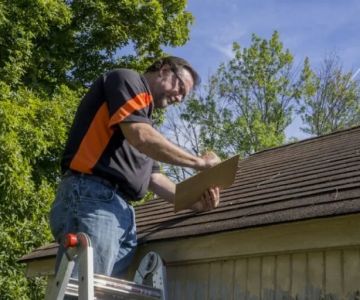
Regular roof inspections are essential to ensuring that your ventilation system is working correctly. Look for signs of moisture, rust, or damaged insulation, and address these issues as soon as they arise to prevent costly repairs in the future.
By understanding the importance of roof ventilation and recognizing the signs of poor airflow, you can prevent serious damage to your home. If you're dealing with rusty nails, damp insulation, or other signs of ventilation issues, contact a professional to assess and fix the problem before it escalates.
For expert roofing services and advice, visit Pro Found Roofing today!
 Invictus Roofing and Solar5.0 (159 reviews)
 Star Roofing, LLC5.0 (48 reviews)
 Veteran Owned Roofing4.0 (194 reviews)
 Top Pro Roofing Repair Florham Park4.0 (10 reviews)
 Serrano Contractors LLC5.0 (104 reviews)
 Roof Repair Services of La Porte5.0 (1 reviews)
 What to Do When Your Roof Fails a Home Inspection: Expert Advice
 Why You Need a Roofing Cricket Behind a Large Chimney to Prevent Damage
 The Best Attic Insulation Types to Work with Your Roofing System for Efficiency
 Roofing Warranties Explained: What’s Covered and What’s Not
 The Average Cost of a Metal Roof for a 2,000 Square Foot Home
 Top Mistakes Homeowners Make During Roof Repairs – How to Avoid Them