- What Is Roof Ventilation?
- Why Roof Ventilation Matters
- Types of Roof Ventilation Systems
- How to Improve Roof Ventilation
- Final Thoughts
What Is Roof Ventilation?
Roof ventilation is the process of allowing air to flow freely through your attic and roof space. The system typically includes intake vents at the eaves (the lowest part of the roof) and exhaust vents at the highest point. This setup helps to regulate the temperature and moisture levels in your attic, which is crucial for both the longevity of your roof and the comfort of your home. Without proper ventilation, the heat and humidity can build up, leading to various problems such as mold growth, wood rot, and even premature roof aging.

Rapid Response Roofing / rapid response roofing
East GreenvilleMontgomery CountyPennsylvania
408 State St, East Greenville, PA 18041, USA
Why Roof Ventilation Matters
Understanding the importance of roof ventilation is essential for homeowners looking to maintain a healthy, long-lasting roof. Here’s why it matters:

Gunner Roofing / gunner roofing
CromwellLower Connecticut River Valley Planning RegionConnecticut
700 Corporate Row, Cromwell, CT 06416, USA
1. Prevents Heat Build-Up
Proper ventilation helps to expel excess heat from your attic, especially in hot climates. If hot air is trapped in your attic, it can increase the temperature of your roof, leading to damage such as curling or cracking shingles. By allowing the hot air to escape, roof ventilation can help protect your roof and extend its lifespan.
2. Reduces Moisture Damage
Moisture is another concern that can arise from poor roof ventilation. Without proper airflow, moisture can accumulate in your attic, especially during the winter when warm air escapes from your home and meets the cold roof. This can result in the formation of ice dams, which can cause water to seep into your roof and lead to mold, mildew, and rot. Roof ventilation helps keep moisture levels in check and prevents these issues from occurring.
3. Improves Energy Efficiency
Roof ventilation contributes to the energy efficiency of your home. By regulating the temperature in your attic, your HVAC system doesn’t have to work as hard to cool or heat your home. This can result in lower energy bills, especially during the summer and winter months when heating and cooling costs tend to rise.
4. Protects Your Roof’s Integrity
Proper roof ventilation can prevent the development of ice dams, improve attic insulation, and keep your roof cooler in the summer, ultimately extending the life of your roofing materials. A well-ventilated roof is less likely to suffer from premature aging, helping you avoid costly repairs and replacements.
Types of Roof Ventilation Systems
There are several types of roof ventilation systems, each with its own benefits. Below are some of the most common options:
1. Ridge Vents
Ridge vents are placed along the ridge (peak) of the roof and act as an exhaust for hot, moist air. These vents are often paired with soffit vents (intake vents) to create a continuous airflow throughout the attic. Ridge vents are highly effective for homes with steep roofs and are one of the most common options for attic ventilation.
2. Soffit Vents
Soffit vents are installed under the eaves (the underside of the roof overhang). They work by allowing cool air to enter the attic while warm air escapes through the ridge vent or other exhaust points. Soffit vents are often combined with ridge vents to create a balanced ventilation system.
3. Gable Vents
Gable vents are installed on the gable ends (the triangular ends of your house's roof). These vents allow air to flow in and out of the attic and can work in tandem with other ventilation systems. Gable vents are often used in combination with soffit vents for improved airflow.
4. Power Vents
Power vents are electrically powered fans that help to remove hot air and moisture from the attic. These vents can be controlled by a thermostat, turning on when the attic temperature gets too high. Power vents are ideal for homes with large attics or those in areas with extreme temperatures.
5. Turbine Vents
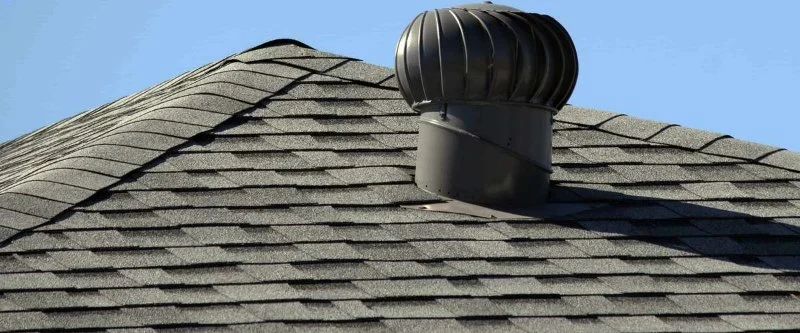
Turbine vents use wind power to create airflow in the attic. These vents are typically installed on the roof and spin as wind blows, helping to expel hot air and moisture. Turbine vents are an energy-efficient option and work well in areas with consistent wind.
How to Improve Roof Ventilation
If you’re concerned about your roof ventilation or think it may need an upgrade, here are some tips to improve it:
1. Check for Obstructions
Ensure that your ventilation system is clear of any obstructions, such as insulation or debris. Blocked vents can prevent proper airflow and make the system less effective. Make sure your soffit vents, ridge vents, and other vents are free from debris that may have accumulated over time.
2. Upgrade Your Ventilation System
If your current ventilation system isn’t sufficient, consider upgrading to a more efficient system. Adding additional soffit vents, ridge vents, or even a power vent can significantly improve airflow in your attic. A professional roofing contractor can help assess your current system and recommend the best options for your home.
3. Improve Attic Insulation
Proper insulation in your attic can help support the efficiency of your roof ventilation. Insulation prevents the warm air inside your home from escaping into the attic, reducing the amount of heat and moisture that needs to be vented. By improving attic insulation, you can help your ventilation system work more efficiently and prevent damage from heat and moisture buildup.
4. Regular Maintenance
Regular maintenance of your roof and ventilation system is essential for long-term performance. Schedule annual inspections to ensure that everything is working properly. Look for signs of damage or wear, such as cracked vents or insulation problems, and address them promptly to prevent costly repairs down the line.
Final Thoughts
Roof ventilation is a critical component of a healthy, long-lasting roof. By ensuring your home has the right ventilation system, you can protect your roof from heat damage, moisture issues, and premature aging. Whether you’re installing a new roof or upgrading your existing system, make sure you consider roof ventilation as an essential part of your home’s overall maintenance strategy.
For expert roofing services and advice on improving your roof ventilation system, visit Pro Found Roofing for the best solutions tailored to your needs.
 Titan Roofing & Decking Inc4.0 (6 reviews)
 Last Call Exteriors4.0 (63 reviews)
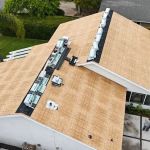 Immaculate Services5.0 (20 reviews)
 TQ Enterprises LLC5.0 (4 reviews)
 Preferred Roofing & Commercial Roof Repair4.0 (10 reviews)
 Best Choice Roofing4.0 (71 reviews)
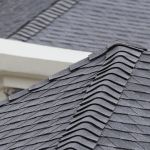 Best Roofing Materials for Homes in Wildfire-Prone Areas: Top Class A Options
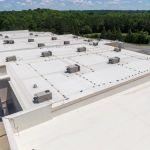 How to Choose Between TPO and PVC Roofing | Expert Roofing Guide
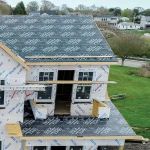 What is a Roofing Underlayment? How Self-Adhered Ice and Water Shield Works | Pro Found Roofing
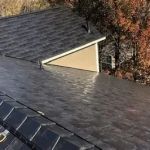 The Average Cost of a Metal Roof for a 2,000 Square Foot Home
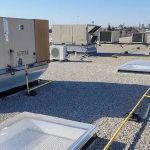 htmlCopy codeThe True Cost of a Built-Up Roof (BUR) with Gravel for a Commercial Building
 DIY Roof Repair Tips: Safely Fix Roof Issues Yourself