
- 1. What is Roofing Underlayment?
- 2. Why Roofing Underlayment is Important
- 3. How Self-Adhered Ice and Water Shield Works
- 4. Benefits of Self-Adhered Ice and Water Shield
- 5. Common Mistakes to Avoid with Roofing Underlayment
- 6. How Pro Found Roofing Can Help You Choose the Right Underlayment
1. What is Roofing Underlayment?
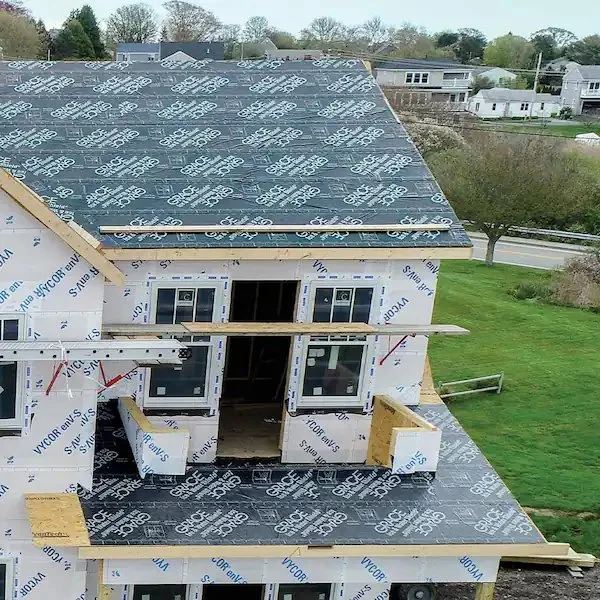
Roofing underlayment is a protective layer installed between the roof deck and the roofing material (such as shingles or tiles). It serves as an additional barrier against water, moisture, and other environmental elements that can damage your roof. The underlayment also helps with temperature regulation by providing an extra layer of insulation.
There are several types of underlayment materials available, each offering different benefits. The most common types include felt paper, synthetic materials, and self-adhered membranes. Among these, self-adhered ice and water shields are especially effective in preventing water damage in vulnerable areas like eaves and valleys.

Rapid Response Roofing / rapid response roofing
East GreenvilleMontgomery CountyPennsylvania
408 State St, East Greenville, PA 18041, USA
2. Why Roofing Underlayment is Important
Roofing underlayment plays a critical role in ensuring the longevity and durability of your roof. Without a proper underlayment, water can seep beneath the roof covering, leading to rot, mold, and leaks. The underlayment creates a secondary layer of protection that prevents water from infiltrating the roof structure, even in the event of damaged or missing shingles.
Additionally, underlayment can help improve energy efficiency. Some types of underlayment reflect heat away from your home, which can keep your attic cooler during hot weather, potentially lowering cooling costs.

Absolute Roofing / absolute roofing
TimoniumBaltimore CountyMaryland
22 W Padonia Rd # B229, Timonium, MD 21093, USA
3. How Self-Adhered Ice and Water Shield Works
Self-adhered ice and water shield is a type of roofing underlayment that adheres directly to the roof deck without the need for nails or fasteners. This type of underlayment is especially beneficial in areas that are prone to ice damming or heavy rain.
The self-adhering feature allows the material to bond with the roof deck, providing a tight seal that prevents water from seeping underneath. It works by forming a waterproof barrier that protects the roof from water infiltration. This is particularly important along eaves, valleys, and in areas prone to ice buildup during cold weather.
Ice and water shields are often used in conjunction with other underlayment materials to provide enhanced protection against water damage. They are typically applied in the most vulnerable areas of the roof, where water is most likely to penetrate.
4. Benefits of Self-Adhered Ice and Water Shield
Self-adhered ice and water shields offer numerous benefits, making them an essential part of many roofing projects:
- Waterproof Protection: The adhesive backing ensures a strong bond with the roof deck, creating a seamless and waterproof layer that prevents water from seeping in.
- Prevents Ice Dams: In colder climates, ice dams can form at the eaves of the roof, causing water to back up under the shingles. Ice and water shield helps prevent this by creating a barrier that stops water from entering the roof system.
- Durable and Long-lasting: Self-adhered ice and water shields are designed to withstand harsh weather conditions, including extreme temperatures, heavy rain, and wind.
- Easy Installation: Unlike traditional felt or synthetic underlayment, which requires nails or staples, self-adhered membranes are easy to install. This can save time and labor costs during the roofing installation process.
- Enhanced Energy Efficiency: The waterproof properties of ice and water shields can also contribute to better insulation, keeping your home more comfortable year-round.
5. Common Mistakes to Avoid with Roofing Underlayment
While roofing underlayment, including self-adhered ice and water shields, provides important protection, it’s essential to install it correctly. Here are some common mistakes to avoid:
- Improper Installation: Incorrect installation can lead to gaps or weak points in the waterproof barrier, reducing the effectiveness of the underlayment.
- Skipping the Ice and Water Shield: In areas with harsh winters or frequent storms, skipping the installation of an ice and water shield can leave your roof vulnerable to water damage and ice dams.
- Using the Wrong Underlayment for Your Climate: Not all underlayment materials are suitable for every climate. Ensure that you select the right type of underlayment for your specific needs based on your location's weather patterns.
6. How Pro Found Roofing Can Help You Choose the Right Underlayment
At Pro Found Roofing, we specialize in providing top-quality roofing materials, including the best self-adhered ice and water shields. Whether you're replacing your roof or installing a new one, our team of experts can help you select the best underlayment to ensure your roof is fully protected from the elements. We also offer professional installation services to ensure everything is done correctly.
Contact Pro Found Roofing today to discuss your roofing needs, and let us help you protect your home with the right underlayment and roofing materials.


 The Roof D LLC5.0 (15 reviews)
 Drew's United Roofing & Siding4.0 (3 reviews)
 Elite Roofing LLC4.0 (626 reviews)
 All Phase Roofing Services Plus4.0 (45 reviews)
 A&Z Prime Services LLC5.0 (35 reviews)
 SG Roofing Inc4.0 (6 reviews)
 How to Choose a Roofing Contractor Who Offers Financing Options
 What is a Roof Ridge? How to Maintain and Repair Ridge Caps and Vents
 Flat Roofs vs. Sloped Roofs: Key Differences and Which One is Best for Your Home
 The Truth About Roofing Warranties: What’s Actually Covered in the US
 How to Choose a Roofing Contractor Who Offers a No-Leak Guarantee
 Comparing Roof Lifespans: Which Material Lasts the Longest? (Asphalt, Metal, Tile, Slate)