
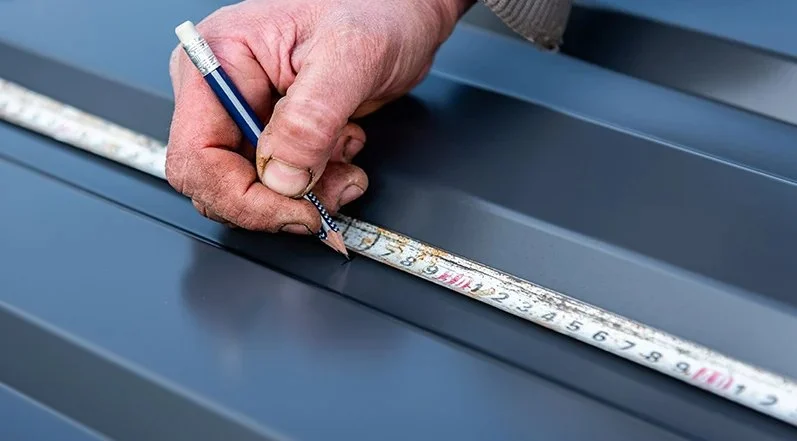
1. What is a Roof Square?
When it comes to roofing, understanding the terminology used by professionals can be crucial, especially when it comes to cost estimation, material calculations, and overall roof design. One key measurement unit that roofers commonly use is the "roof square." While this term may sound unfamiliar to homeowners, it’s an important concept to grasp if you're considering a roof installation or repair. In this article, we’ll explain what a roof square is, why it’s used, and how it relates to roofing projects.

Holden Roofing (Houston Corporate) / holden roofing
RosenbergFort Bend CountyTexas
2128 1st St, Rosenberg, TX 77471, USA
2. Why Roofers Use Roof Squares
Roof squares are used in the roofing industry to simplify the process of estimating roofing materials and labor. This unit of measurement is standard across the industry and allows roofers to quickly calculate how much roofing material (such as shingles, underlayment, and insulation) is required for a given project. By breaking down roof sizes into squares, roofing professionals can streamline the measurement process and ensure that they have the correct amount of materials to complete a job efficiently.
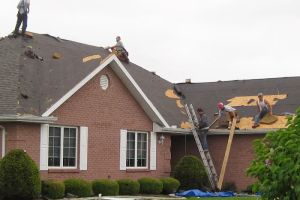
Lance Roofing & Siding Inc. / lance roofing and siding
6903 Dayton Springfield Rd, Enon, OH 45323, USA
2.1 Simplifying Material Calculations
Instead of measuring roofs in feet or inches, which can lead to complicated calculations, roof squares help simplify the process. One roof square equals 100 square feet of roof surface. This makes it easier for roofers to determine how many shingles or other materials are needed to cover a roof, especially for larger homes or commercial properties.
2.2 Cost Estimation
Since roofing material costs are often quoted by the square, understanding roof squares is crucial for homeowners to get an accurate estimate of the total cost of a roofing project. Roofers will multiply the number of squares by the price per square of materials to provide a cost estimate. This makes the cost estimation process more transparent and helps homeowners understand what they're paying for.
3. How to Calculate Roof Squares
Calculating roof squares is relatively simple once you understand the basic principles. Here's how you can calculate roof squares for your home or commercial property:
3.1 Measure Your Roof
Start by measuring the length and width of your roof. You’ll need to measure the surface area of the roof, which typically involves measuring the length and width of each section of the roof and then adding up the areas. For example, if you have a rectangular roof that is 20 feet by 30 feet, the total area would be 600 square feet (20 x 30 = 600). If your roof has multiple sections or slopes, you’ll need to measure each section individually and then add the totals together.
3.2 Divide by 100
Once you have the total square footage of your roof, divide that number by 100. This gives you the number of roof squares. For example, if your roof’s total area is 600 square feet, you would divide that by 100, resulting in 6 roof squares. This means you need enough materials to cover 6 squares of roof.
3.3 Account for Pitch and Slope
It’s important to note that roof pitch and slope can affect the total amount of material needed. A steeper roof will have more surface area than a flat roof, so you may need to adjust your calculations accordingly. Roofers often use a pitch multiplier to account for this, which adjusts the square footage based on the slope of the roof. A typical multiplier ranges from 1.1 to 1.5, depending on the steepness of the roof. For example, if your roof has a 30-degree pitch, the pitch multiplier might be 1.2, meaning you would multiply your total square footage by 1.2 to get the adjusted area.
4. Common Misunderstandings About Roof Squares
While the concept of roof squares is simple, there are a few common misunderstandings that can confuse homeowners. Here are a few things to keep in mind:
4.1 It Does Not Mean Roof Size
It’s important to remember that a roof square does not directly equate to the size of your roof in terms of length and width. It is simply a unit of area, equal to 100 square feet. So while a larger home will require more squares, the term “roof square” doesn’t refer to any specific dimension.
4.2 Roof Squares Do Not Include Other Surface Areas
Roof squares only measure the surface area of the roof itself. They do not account for additional surfaces such as gutters, valleys, or chimneys, which may require additional materials or special treatment. Be sure to discuss all aspects of your roof with your contractor to ensure you're getting a complete estimate.
5. Where to Find Professional Roofing Services
If you’re unsure about how to measure your roof or calculate roof squares, it’s always best to consult a professional roofer. They will not only provide accurate measurements but also help you choose the best materials for your roof’s needs. Whether you’re building a new home or replacing your roof, a professional contractor can provide the expertise you need to make sure your roofing project goes smoothly.
For reliable and professional roofing services, consider visiting Pro Found Roofing. They offer expert roofing services, including roof inspections, installations, and repairs. Their team of experienced roofers can help you understand your roof's needs and provide accurate estimates based on roof squares.
 Keller Roof Co0.0 (0 reviews)
 Crowther Roofing & Sheet Metal Inc3.0 (4 reviews)
 Wayne Johnson & Sons Inc4.0 (27 reviews)
 Pro Services 1 LLC4.0 (17 reviews)
 Milwaukee Ice Dam Removal4.0 (4 reviews)
 Right Way Roofing Texas5.0 (4 reviews)
 What Roof Color Is Best for Energy Efficiency?
 Top-Rated Roofing Brands You Can Trust in 2026
 Best Roofing Brands of 2026: Reliable, Durable, and Affordable
 Choosing Between Residential and Commercial Roofing Solutions
 The Pros and Cons of Installing a Roof Overlay Instead of Full Replacement
 Top Mistakes Homeowners Make During Roof Repairs | Expert Roofing Tips