- Importance of Roof Color in Energy Efficiency
- How Dark and Light Roofs Affect Energy Use
- Benefits of Cool Roofs for Energy Savings
- Choosing the Right Roof Color for Your Climate
- Roofing Materials for Energy Efficiency
- Real-Life Examples of Energy-Efficient Roofs
1. Importance of Roof Color in Energy Efficiency
When it comes to improving the energy efficiency of your home, one factor that often goes overlooked is your roof color. Your roof plays a crucial role in regulating the temperature inside your home by either absorbing or reflecting sunlight. By choosing the right roof color, you can significantly lower your energy bills, enhance comfort, and even contribute to environmental sustainability.
The color of your roof affects the amount of heat your home retains. Lighter-colored roofs reflect more sunlight, keeping your home cooler, while darker roofs absorb more heat, which can increase the temperature inside your home during hot months. Understanding how this works is key to making the right choice for both energy savings and long-term comfort.

Rapid Response Roofing / rapid response roofing
East GreenvilleMontgomery CountyPennsylvania
408 State St, East Greenville, PA 18041, USA
2. How Dark and Light Roofs Affect Energy Use
The color of your roof impacts the heat absorbed by your home, which in turn affects your heating and cooling costs. Here’s how dark and light roof colors differ in terms of energy use:
- Dark Roofs: Dark-colored roofs, such as black, brown, or dark grey, absorb more sunlight. This can be beneficial in colder climates where heat retention is needed to keep the home warm in winter. However, in warmer climates, dark roofs can lead to higher cooling costs as they trap heat inside the home.
- Light Roofs: Lighter-colored roofs, such as white, light grey, or beige, reflect sunlight, which can help keep your home cooler during hot summer months. This is particularly important in areas with hot climates, where air conditioning costs can skyrocket. A light roof can reduce the amount of heat that enters your home, thus lowering cooling costs.
3. Benefits of Cool Roofs for Energy Savings
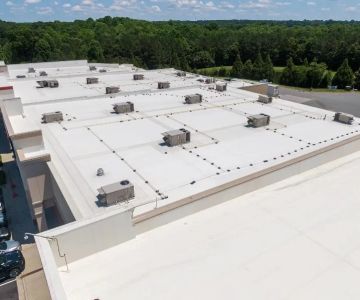
Cool roofs are designed to reflect more sunlight and absorb less heat compared to traditional roofs. These roofs are typically light-colored or made from reflective materials, which help reduce the amount of heat transferred into your home. Some key benefits of cool roofs include:
- Reduced Cooling Costs: By reflecting more sunlight, cool roofs can reduce the need for air conditioning, lowering energy bills significantly during hot months.
- Improved Comfort: Cool roofs help maintain a more consistent temperature inside your home, making it more comfortable for you and your family.
- Environmental Impact: Cool roofs help mitigate the urban heat island effect, which can contribute to higher city temperatures. By reducing the demand for cooling, they also lower the overall carbon footprint of your home.
4. Choosing the Right Roof Color for Your Climate
To maximize energy efficiency, it’s essential to choose a roof color that complements the climate in which you live. Here are some guidelines for selecting the best roof color based on your local climate:
- Warm Climates: In hot climates where cooling is a priority, lighter-colored roofs are the best choice. White, light grey, or beige roofs reflect a significant amount of sunlight, helping to keep your home cooler. This can lead to lower energy bills and greater comfort indoors.
- Cold Climates: In colder climates where heating is a concern, darker roof colors are often more effective. A dark roof will absorb heat from the sun, keeping your home warmer during the winter months. Dark roof colors, such as dark brown or charcoal, help retain the heat needed for comfort.
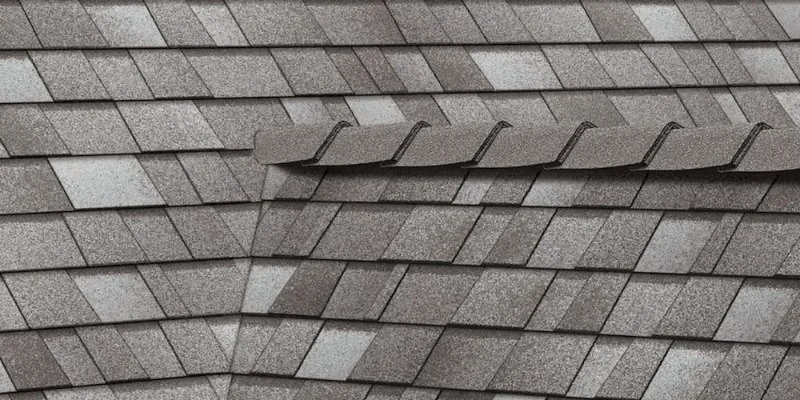
- Moderate Climates: For regions with moderate temperatures, a medium-colored roof such as light grey or taupe can provide a good balance of heat reflection and absorption, keeping your home comfortable year-round.
5. Roofing Materials for Energy Efficiency
In addition to color, the material of your roof plays a critical role in its energy efficiency. Some roofing materials are better suited for energy conservation than others. Here are some popular materials that contribute to energy efficiency:
- Reflective Metal Roofs: Metal roofs with reflective coatings are highly energy-efficient. They reflect most of the sun’s heat, making them ideal for hot climates. They are durable and can last for many years, providing long-term energy savings.
- Clay or Concrete Tiles: These materials naturally absorb and reflect heat, providing a good balance for both warm and cold climates. They are also highly durable and can enhance the aesthetic of your home.
- Asphalt Shingles: Asphalt shingles with reflective coatings are an affordable option for energy-efficient roofing. They are available in various colors and can provide some heat reflection to help reduce cooling costs.
6. Real-Life Examples of Energy-Efficient Roofs
Many homeowners have successfully made the switch to energy-efficient roofs to save on energy bills and enhance their home’s sustainability. For example:
- Case Study: A Florida Homeowner: In a warm Florida climate, a homeowner switched from a dark asphalt roof to a cool white metal roof. As a result, they reported a 30% decrease in cooling costs during the summer months.
- Case Study: A Minnesota Family: A Minnesota family opted for dark grey shingles in combination with reflective insulation beneath their roof. This helped retain heat in the winter while preventing excessive heat buildup in the summer, keeping energy costs down year-round.
By choosing the right roof color and material, homeowners can make a significant impact on their energy consumption and comfort levels. If you're unsure about the best options for your home, consider consulting with a professional roofing company like Pro Found Roofing to find the best roof color and material for energy efficiency.
 New York Roofing5.0 (40 reviews)
 Moore Quality Exteriors LLC4.0 (22 reviews)
 King Roofing4.0 (6 reviews)
 Murphy Roofing & Siding LLC4.0 (55 reviews)
 Two States Exteriors4.0 (42 reviews)
 Mark Roofing Contractors0.0 (0 reviews)
 Gutter Maintenance 101: How Clogged Gutters Can Destroy Your Roof and Foundation
 How to Safely Remove Moss and Algae from Your Roof
 The Pros and Cons of a M-Shaped Roof Design for Larger Homes
 How to Deal with Roofing Scams and Avoid Contractor Fraud
 How to Get a Roofing Warranty Transferred to a New Homeowner Successfully
 How to Finance a New Roof Without Breaking the Bank in 2025