
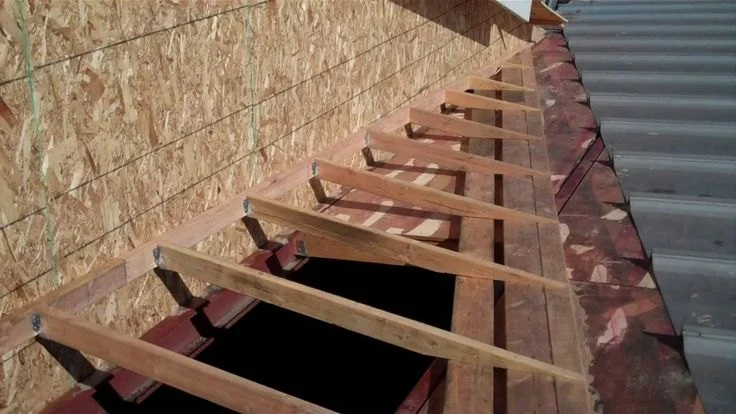
- 1. What is a Roofing Cricket?
- 2. Importance of a Roofing Cricket
- 3. How to Frame a Cricket for a Skylight
- 4. Common Mistakes When Installing Roof Crickets
- 5. Roof Cricket Maintenance and Best Practices
1. What is a Roofing Cricket?
A roofing cricket, also known as a roof saddle, is a structure that is commonly used on sloped roofs. It is a small, sloped area designed to redirect water away from obstacles like chimneys, skylights, or vents. Essentially, a roofing cricket serves as a diversion to help ensure that water doesn’t accumulate around critical areas, preventing leaks and damage to the roof.
While it might seem like a minor feature, a roofing cricket is essential for ensuring that rainwater flows smoothly off the roof, especially in areas where water might otherwise pool. This is particularly important in climates with heavy rain or snow, where water runoff is a concern. By adding a roofing cricket, you can prolong the life of your roof and protect the integrity of the structure beneath it.

Rapid Response Roofing / rapid response roofing
East GreenvilleMontgomery CountyPennsylvania
408 State St, East Greenville, PA 18041, USA
2. Importance of a Roofing Cricket
The main function of a roofing cricket is to prevent water from gathering around areas of the roof that could otherwise become vulnerable to leaks. Without a proper cricket, water could pool around chimneys, skylights, or other protrusions, leading to several potential problems:
- Water Damage: Water that accumulates around roof penetrations can seep into the roofing material, causing deterioration, rotting, and leaks inside the home.
- Mold and Mildew Growth: Moisture trapped around vents or skylights can encourage mold and mildew growth, which can affect indoor air quality and lead to health issues.
- Roof Leaks: Without a cricket, water runoff may not flow freely, increasing the chances of roof leaks that could damage the roof deck and structure.
In short, a roofing cricket is an important component that ensures water is channeled properly and doesn’t create long-term damage to your home. It acts as a barrier, safeguarding your roof from costly repairs and unexpected damage.

JK Contractors / jk roofing
West BendOzaukee CountyWisconsin
3058 County Rd Y, West Bend, WI 53095, USA
3. How to Frame a Cricket for a Skylight
Framing a cricket for a skylight is an essential step in roof construction, especially for areas where the skylight might create water drainage issues. Here’s a step-by-step guide on how to properly frame a cricket around a skylight:
- Step 1: Measure the Skylight – Start by determining the size and location of the skylight. Measure the distance between the skylight and the edge of the roof, ensuring you have enough space for the cricket to be framed around it.
- Step 2: Determine the Slope – The cricket needs to have the correct slope to divert water away from the skylight. Typically, the slope should match the pitch of the roof. You’ll want to ensure that water flows in the right direction, especially if the skylight is placed in a low-slope area.
- Step 3: Cut the Framing Lumber – Using your measurements, cut the framing lumber to the required dimensions. You’ll need a triangular frame, with one side sloping down towards the edge of the roof to create the diversion.
- Step 4: Install the Framing – Place the framing around the skylight, ensuring that it is secure and level. Use nails or screws to attach the frame to the roof deck, making sure that the edges are sealed to prevent water from seeping under the framing.
- Step 5: Install Flashing – Apply roofing tar or sealant where the cricket meets the roofing material to ensure a watertight seal. Install flashing along the cricket edges and around the skylight to further prevent water infiltration.
Framing a cricket correctly is vital for the durability and functionality of the roof. If done incorrectly, it can lead to water pooling, leaks, and damage. If you're unsure of your skills, it’s best to consult a professional roofing contractor to ensure the cricket is properly framed and sealed.
4. Common Mistakes When Installing Roof Crickets
Installing a roof cricket might seem straightforward, but it’s easy to make mistakes that could lead to future issues. Here are some common errors to avoid when installing a roof cricket:
- Incorrect Slope: The slope of the cricket should match the roof pitch. An inadequate slope can cause water to pool instead of draining away, which defeats the purpose of the cricket.
- Insufficient Flashing: Failing to install proper flashing around the cricket can result in leaks. Flashing helps ensure water flows away from the skylight or chimney, so make sure it’s properly installed and sealed.
- Improper Material Choices: Using the wrong materials for the cricket framing or flashing can lead to premature wear and tear. Make sure to use durable, weather-resistant materials that can handle the elements.
By paying close attention to detail and ensuring that the cricket is framed correctly, you can avoid costly mistakes and ensure that your roof remains leak-free for years to come.
5. Roof Cricket Maintenance and Best Practices
Once a roof cricket is installed, it's essential to maintain it properly to ensure it continues to function effectively. Regular maintenance will help prevent blockages, water buildup, and other issues that could compromise the integrity of the roof.
Here are some best practices for maintaining a roof cricket:
- Inspect Regularly: Regularly inspect the cricket and its flashing to ensure that it’s free of debris, such as leaves, dirt, and twigs. Blockages can cause water to accumulate, which could lead to leaks.
- Check for Cracks: Look for any cracks or signs of wear in the framing or flashing. If any damage is found, it’s important to repair it immediately to avoid water infiltration.
- Clean the Area: Periodically clean the area around the cricket to ensure that water can flow freely. Cleaning the flashing and surrounding roofing material will help avoid clogs and keep the roof functioning properly.
By staying on top of roof cricket maintenance, you can avoid costly repairs and ensure that your roof remains in excellent condition, effectively directing water away from vulnerable areas.
For more information about roof construction, including tips on framing and installation, visit Pro Found Roofing for expert services and guidance tailored to your needs.

 H- corona construction llc3.0 (2 reviews)
 Toro Exteriors4.0 (30 reviews)
 McNulty Construction LLC3.0 (22 reviews)
 4EGO LLC5.0 (4 reviews)
 Keystone Premier Roofing5.0 (2 reviews)
 Anthracite Roofing Systems5.0 (1 reviews)
 Best Tips to Avoid Common Roof Repair Mistakes | Pro Found Roofing
 How to Fix a Leak in a Roof Valley with Specialized Valley Lining
 What is a Roofing Warranty? What 'Prorated' and 'Non-Prorated' Means for You
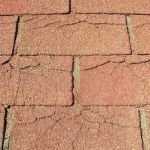 The Signs of UV Damage on an Asphalt Shingle Roof: Cracking and Curling
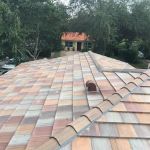 The Average Cost of a Roof in California vs. Florida: Regional Price Differences
 How to Tell If Your Roof Was Installed Properly | Expert Roofing Tips