
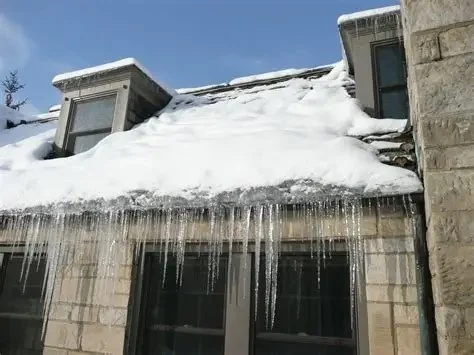
What is a Roofing Ice Dam? How Heat Loss from Your Home Creates This Problem
- 1. Introduction to Ice Dams
- 2. How Do Ice Dams Form?
- 3. Causes of Heat Loss That Lead to Ice Dams
- 4. The Dangers of Ice Dams and How They Affect Your Roof
- 5. How to Prevent Ice Dams from Forming on Your Roof
1. Introduction to Ice Dams
Ice dams are a common roofing problem in areas with cold winters, especially in homes with attics that lack adequate insulation. They form when snow melts off the roof due to heat escaping from the home, only to refreeze at the eaves and gutters, creating a buildup of ice. This buildup can lead to significant damage if not addressed promptly. In this article, we'll explore how these ice dams form, the causes of heat loss from your home, and the best strategies for preventing ice dams from forming on your roof.

Rapid Response Roofing / rapid response roofing
East GreenvilleMontgomery CountyPennsylvania
408 State St, East Greenville, PA 18041, USA
2. How Do Ice Dams Form?
Ice dams form when there is a temperature difference between the roof and the eaves of a home. Here's a breakdown of the process:
- Snow accumulation: When it snows, the snow accumulates on the roof. The snow traps heat from the home’s interior, causing the snow on the roof to melt.
- Melting snow: The melted snow runs down the roof and reaches the colder eaves, where it refreezes, forming a dam of ice.
- Water backup: As more snow melts and the ice dam grows, water can get backed up under the shingles, potentially leaking into the home’s interior and causing water damage to the roof, walls, and insulation.
3. Causes of Heat Loss That Lead to Ice Dams
Heat loss is the primary factor behind the formation of ice dams. Several factors contribute to heat loss in your home:
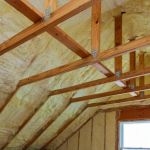
- Poor attic insulation: Insufficient insulation allows heat to escape from the living spaces into the attic. This heat causes the snow on the roof to melt.
- Air leaks: Gaps around vents, chimneys, or windows allow warm air to leak into the attic, contributing to the melting of the snow on the roof.
- Improper ventilation: Without proper attic ventilation, warm air gets trapped in the attic, raising the temperature of the roof and melting the snow.
All of these factors allow the heat from inside the home to melt the snow on the roof, which then refreezes at the eaves, forming an ice dam. To prevent this, it's important to address heat loss issues in your home, such as improving attic insulation and sealing air leaks.

Absolute Roofing / absolute roofing
TimoniumBaltimore CountyMaryland
22 W Padonia Rd # B229, Timonium, MD 21093, USA
4. The Dangers of Ice Dams and How They Affect Your Roof
Ice dams may seem harmless at first, but they can cause extensive damage to your home if left unchecked:
- Water damage: As the ice dam grows, water can seep under shingles and into your home, leading to water damage on ceilings, walls, and insulation.
- Roof damage: The weight of the ice can cause the roof structure to weaken, potentially leading to leaks or even roof collapse in extreme cases.
- Mold growth: Moisture from the water that enters your home can lead to mold growth in walls, ceilings, and insulation, which can compromise the air quality and structural integrity of your home.
For these reasons, it's crucial to prevent ice dams from forming in the first place, or to address them quickly if they do occur.
5. How to Prevent Ice Dams from Forming on Your Roof
There are several strategies to prevent ice dams from forming, and many of them focus on improving the insulation and ventilation in your home:
- Insulate your attic: Adding insulation to your attic can help keep heat from escaping into the space, ensuring that the temperature of the roof stays uniform and preventing snow from melting.
- Seal air leaks: Use weatherstripping or foam to seal gaps around windows, vents, and chimneys, reducing the amount of warm air that escapes into the attic.
- Improve attic ventilation: Proper ventilation helps to maintain a consistent temperature in the attic, preventing heat buildup. Consider adding ridge vents, soffit vents, or a ventilation fan to improve airflow.
- Use heated cables: Installing heat cables along the roofline can help prevent ice from forming in the first place by keeping the roof at a consistent temperature.
By addressing these factors, you can reduce the likelihood of ice dams forming and protect your home from the potential damage they cause. Regular roof inspections can also help you spot early signs of ice dams before they become a serious problem.
For more information on roof maintenance and solutions to prevent ice dams, visit Pro Found Roofing for expert advice and services.
 Four Brothers Roofing, Siding & Gutter Contractor Inc.5.0 (11 reviews)
 Ebenezer Roofing LLC - Roof Replacement Experts in DMV4.0 (105 reviews)
 Grady Cross Roofing, LLC3.0 (7 reviews)
 Wow! What A Roof!5.0 (22 reviews)
 Blue Truss5.0 (167 reviews)
 Modern Roofing5.0 (69 reviews)
 The Best Attic Insulation Types to Work with Your Roofing System for Efficiency
 What is a Roofing Boot? How to Repair and Replace Pipe Vent Flashings
 How to Decide Whether to Repair or Replace Your Roof – Complete Guide
 How to Inspect Your Roof for Damage After a Hailstorm – A Step-by-Step Guide
 DIY Roof Repair Tips: How to Safely Fix Your Roof
 DIY Roof Repair Tips: What U.S. Homeowners Can Safely Handle Themselves