- Understanding-What-a-Roofing-Nail-Is
- Different-Types-of-Roofing-Nails-and-Their-Uses
- Choosing-the-Right-Size-and-Length-for-Your-Roofing-Nails
- How-Many-Roofing-Nails-Are-Needed-for-a-Secure-Roof
- Common-Mistakes-to-Avoid-When-Using-Roofing-Nails
- Why-Choosing-Quality-Nails-Matters-and-How-Pro-Found-Roofing-Can-Help
1. Understanding What a Roofing Nail Is
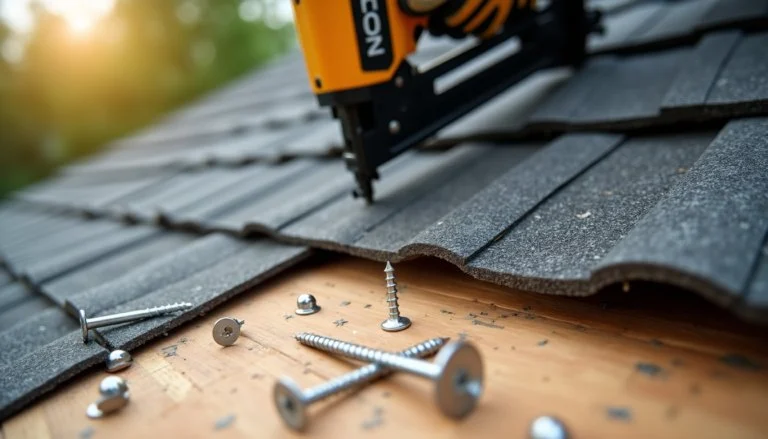
Roofing nails might seem like simple fasteners, but they play a crucial role in ensuring your roof’s durability and performance. They secure shingles, underlayment, and other roofing materials to your roof deck, helping the entire system withstand wind, rain, and time.
In essence, roofing nails are designed specifically for roof applications. Their length, head size, and shank design make them different from standard nails. Using the wrong type can lead to leaks, loose shingles, or even full roof failure after severe weather events.
That’s why understanding the right type, size, and number of roofing nails is key to building a secure, long-lasting roof.

JK Contractors / jk roofing
West BendOzaukee CountyWisconsin
3058 County Rd Y, West Bend, WI 53095, USA
2. Different Types of Roofing Nails and Their Uses
2.1 Galvanized Steel Nails
Galvanized steel nails are the most common type used in residential roofing. Coated with zinc to resist corrosion, they’re perfect for asphalt shingles and standard roof decks. They offer a great balance between cost, strength, and longevity.

SB Pro Roofing / sb pro roofing
Pinellas ParkPinellas CountyFlorida
6358 49th St N, Pinellas Park, FL 33781, USA
2.2 Aluminum Roofing Nails
Aluminum nails are lightweight and naturally resistant to rust, making them ideal for coastal or humid environments. However, they’re softer than steel, so they may not be the best choice for areas prone to high winds or heavy storms.
2.3 Copper Roofing Nails
For premium or historical roofing materials like slate or tile, copper nails are preferred. They provide excellent durability and won’t corrode over time. Their cost is higher, but their lifespan matches high-end roofing systems, making them worth the investment.
2.4 Stainless Steel Nails
Stainless steel nails are another top-tier option for roofs in areas with high moisture exposure, such as along coastlines. They’re resistant to rust and maintain their strength for decades, ensuring long-term performance.
3. Choosing the Right Size and Length for Your Roofing Nails
3.1 Nail Length
The ideal roofing nail length depends on the roofing material and the thickness of the sheathing. Generally, a nail should penetrate the roof deck at least ¾ inch or completely through it. For asphalt shingles, 1¼-inch nails are typically sufficient, while thicker materials may require longer nails.
3.2 Nail Gauge and Head Size
Most roofing nails have a shank diameter of 11 or 12 gauge and a flat head about ⅜ inch wide. This wide head helps hold shingles securely in place while preventing tear-through under stress.
3.3 Specialty Sizes
If you’re installing architectural shingles or metal roofing, always consult the manufacturer’s recommendations for exact nail sizes. Using nails that are too short or too long can compromise your roof’s integrity and void warranties.
4. How Many Roofing Nails Are Needed for a Secure Roof
4.1 Standard Nailing Guidelines
The number of nails required depends on the type of shingles and the roof’s pitch. As a rule of thumb, each standard shingle requires four nails, meaning about 320 nails per square (100 square feet). For high-wind zones, six nails per shingle are recommended.
4.2 The Importance of Consistency
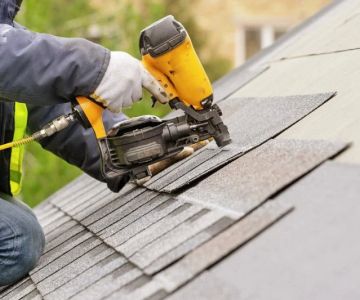
Even spacing and consistent nail placement are vital for a secure roof. Misplaced nails—too high or too low—can cause leaks, shingle blow-offs, or buckling. Using pneumatic nailers can help ensure even distribution and secure fastening.
4.3 Real-World Impact
Roof failures after storms often trace back to incorrect nailing patterns or insufficient nails. In one case from Kansas City, a roof installed with only three nails per shingle suffered severe wind uplift damage, while neighboring roofs using the full six-nail pattern remained intact.
5. Common Mistakes to Avoid When Using Roofing Nails
Roofing installation errors are often small but costly. Here are the top mistakes to watch for:
- Using nails that are too short or long for the roofing material
- Failing to drive nails flush with the shingle surface (either under-driven or over-driven)
- Using non-galvanized nails that rust over time
- Incorrect nail placement outside the shingle’s nailing zone
Even a single bad row of nails can lead to leaks or roof failure. Professional installers understand how to maintain consistent nailing depth and spacing for the most secure attachment possible.
6. Why Choosing Quality Nails Matters and How Pro Found Roofing Can Help
At Pro Found Roofing, we understand that every detail—down to the smallest nail—matters in protecting your home. Using the right type, size, and quantity of roofing nails is critical for ensuring a secure and weatherproof roof.
Our roofing experts guide homeowners through material selection, installation techniques, and long-term maintenance strategies. Whether you’re starting a new project or repairing an older roof, Pro Found Roofing connects you with trusted contractors and top-quality materials to ensure lasting protection.
Remember, a roof’s strength lies not just in the shingles but in what holds them together. The right roofing nail makes all the difference.

 Dunn Construction5.0 (4 reviews)
 David Haywood Roofing Co5.0 (2 reviews)
 ID Flat Roof4.0 (40 reviews)
 Mallard Exteriors5.0 (9 reviews)
 MJ's Roofing & Remodeling4.0 (55 reviews)
 Barba Roofing Louisville4.0 (55 reviews)
 How to Choose a Roof Color That Will Help Your Home Blend into Nature
 How to Clean Your Gutters to Protect Your Roof and Prevent Water Damage
 How Roofing Affects Home Resale Value: Key Insights for Homeowners
 Understanding Roof Flashing: What It Is and Why It Matters
 How to Install Roofing Underlayment on a Roof with Existing Snow Guards
 A Homeowner's Guide to Filing an Insurance Claim for Roof Damage Successfully