Understanding Why Animals Target Roofs and Attics
Many US homeowners are surprised to discover that squirrels, raccoons, and birds see their homes very differently than people do. To these animals, a roof and attic are not just parts of a house, they are safe shelters. Warmth, protection from predators, and easy access make attics especially attractive during colder months or nesting seasons.
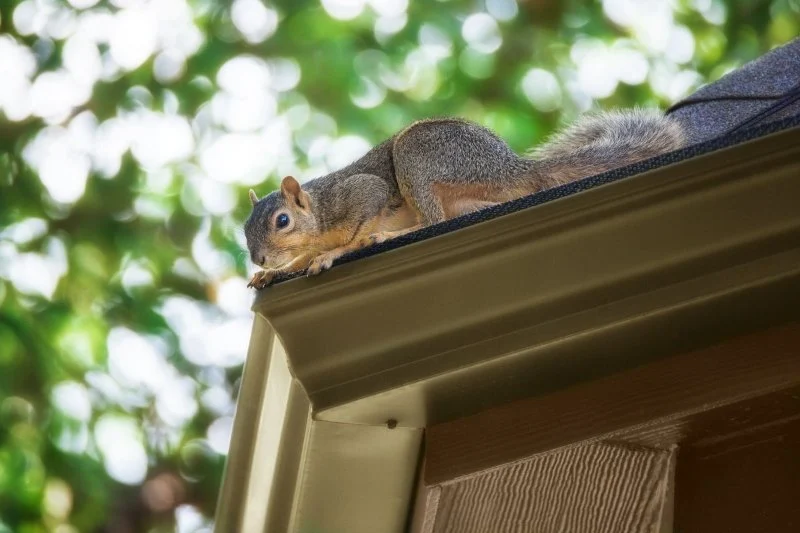
Squirrels often chew their way through weak roof edges to create hidden nests. Raccoons, being stronger and more determined, can pry open loose shingles or fascia boards. Birds look for small gaps near vents or eaves where they can build nests without disturbance.
Once animals settle in, the damage can escalate quickly. Chewed wood, torn insulation, blocked ventilation, and moisture buildup are common results, all of which can shorten the life of a roof system.
Victors Home Solutions / victors roofing
2722 E Michigan Ave suite 239, Lansing, MI 48912, USA
Common Entry Points Most Homeowners Miss
Keeping wildlife out of your attic starts with understanding how they get in. Many entry points are subtle and easy to overlook during routine maintenance.
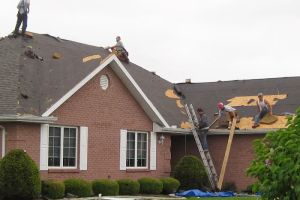
Lance Roofing & Siding Inc. / lance roofing and siding
6903 Dayton Springfield Rd, Enon, OH 45323, USA
1. Roof Edges and Fascia Boards
The line where the roof meets the exterior wall is a frequent weak spot. Over time, weather exposure can soften wood, making it easier for squirrels to chew through. Even a gap that looks insignificant to a homeowner can be enough for an animal to squeeze inside.
2. Roof Vents and Exhaust Openings
Birds are especially drawn to uncovered or poorly protected vents. Once nesting material builds up, airflow can be restricted, leading to higher energy costs and potential moisture issues inside the attic.
3. Damaged or Lifted Shingles
After storms or high winds, shingles may lift slightly without falling off. Raccoons are known to exploit these weak spots, peeling back roofing materials to gain access.
Long-Term Prevention Strategies That Actually Work
True prevention goes beyond quick fixes. It requires a combination of inspection, reinforcement, and ongoing awareness.
1. Reinforcing Vulnerable Areas
Upgrading fascia boards, sealing small gaps, and installing proper vent covers can dramatically reduce the risk of animal intrusion. Materials designed for durability are harder for wildlife to damage.
2. Routine Roof and Attic Inspections
Seasonal inspections help catch early signs of animal activity such as scratching noises, droppings, or disturbed insulation. Addressing these signs early prevents small problems from becoming costly repairs.
3. Landscaping Awareness
Tree branches that hang over the roof act like highways for squirrels and raccoons. Trimming branches back creates a physical barrier that discourages animals from reaching your roof in the first place.
Real Homeowner Stories and Lessons Learned
A homeowner in Colorado shared online how a family of raccoons caused thousands of dollars in damage after entering through a loose roof edge. What started as faint noises at night turned into torn insulation and water damage after heavy snow.
Another homeowner in Oregon noticed birds repeatedly nesting near a bathroom vent. By the time the issue was addressed, airflow was restricted and moisture had begun to affect nearby roof decking.
Both cases underline the same lesson: ignoring early signs almost always leads to higher repair costs later.
When Roofing Expertise Makes the Difference
Animal prevention is closely tied to roof condition. A well-maintained roof leaves fewer opportunities for wildlife to move in. Professional roofers understand how roofing systems, ventilation, and structural components work together.
Homeowners often turn to Pro Found Roofing when they want guidance on reinforcing vulnerable roof areas and choosing solutions that fit both their climate and home design. Professional insight helps ensure that prevention efforts are effective without compromising roof performance.
Knowing how to keep squirrels, raccoons, and birds out of your roof and attic is about awareness, preparation, and smart maintenance. With the right approach, homeowners can protect their property, reduce stress, and maintain a healthier living environment year-round.
 Tadco Roofing3.0 (6 reviews)
 RDM Contracting5.0 (48 reviews)
 Tatum Flat Roofing0.0 (0 reviews)
 Advanced Roofing & Construction LLC4.0 (56 reviews)
 Liberty Roofworks5.0 (94 reviews)
 CNM Roofing4.0 (4 reviews)
 What to Do When Your Roof Fails a Home Inspection: Smart Next Steps
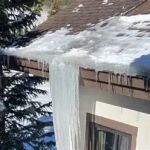 Understanding Ice Dams and How to Prevent Them on Your Roof
 Does a New Roof Increase Your Home's Resale Value? A Look at the ROI | Pro Found Roofing
 A Homeowner's Guide to Filing an Insurance Claim for Roof Damage Successfully
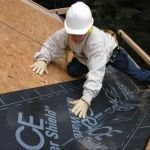 How to Install Ice and Water Shield on a Roof with Many Valleys and Penetrations
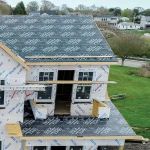 What is a Roofing Underlayment? How Self-Adhered Ice and Water Shield Works | Pro Found Roofing