- inspect-your-roof-regularly
- clear-debris-and-clogged-gutters
- look-for-signs-of-water-damage
- check-flashing-around-chimneys-and-vents
- trim-overhanging-branches
- watch-for-moss-and-algae-growth
- schedule-annual-professional-inspections
- repair-minor-damage-promptly
- maintain-proper-attic-ventilation
- choose-the-right-partners-like-pro-found-roofing
1. Inspect Your Roof Regularly
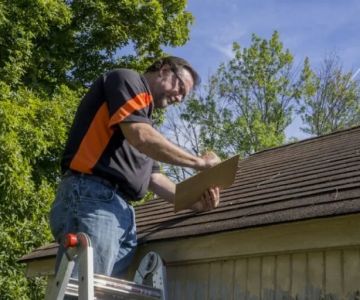
Performing visual roof inspections at least twice a year—preferably in spring and fall—can help you catch small issues before they escalate. Look for cracked, missing, or curling shingles, and examine soffits and fascia for rot or separation. If you're not comfortable climbing up yourself, use binoculars from the ground or hire a professional inspector.

Holden Roofing (Houston Corporate) / holden roofing
RosenbergFort Bend CountyTexas
2128 1st St, Rosenberg, TX 77471, USA
2. Clear Debris and Clogged Gutters
Leaves, twigs, and pine needles may seem harmless, but they trap moisture against the roof’s surface. Over time, this accelerates deterioration. Equally important, clogged gutters prevent water from draining properly, leading to leaks and foundation damage. Clean gutters and downspouts at least every few months, especially after storms or during autumn leaf fall.
Victors Home Solutions / victors roofing
2722 E Michigan Ave suite 239, Lansing, MI 48912, USA
3. Look for Signs of Water Damage
Water stains on ceilings, peeling paint, or mold growth inside your home often indicate roof leaks. These issues can be subtle but dangerous, as even a small leak can lead to structural wood rot and expensive repairs. Homeowners in areas prone to heavy rain or snow should stay especially vigilant.
4. Check Flashing Around Chimneys and Vents
Flashing is the thin metal sheet that seals roof joints and prevents leaks. Common trouble spots include chimneys, vents, skylights, and valleys. Improperly installed or damaged flashing is a leading cause of roof failure. Look for signs of lifting, rust, or corrosion, and reseal joints with roofing cement if necessary.
5. Trim Overhanging Branches
Trees close to your house pose multiple roofing threats—broken branches can puncture shingles during storms, while shade encourages moss growth and dampness. Regularly trim back tree limbs so they’re at least six feet away from your roof. This also helps reduce the accumulation of leaf litter.
6. Watch for Moss and Algae Growth
Green streaks and patches may look innocent, but moss and algae can compromise shingle integrity. Moss retains moisture and lifts shingles, while algae create unsightly black streaks. Clean the surface using a gentle solution of bleach and water or use zinc or copper strips to inhibit growth in the future.
7. Schedule Annual Professional Inspections
Even if your roof looks fine from the ground, trained roofers can spot problems you might miss—such as soft spots, flashing damage, or issues under shingles. Annual inspections help preserve your roof’s lifespan and often uncover small repairs that prevent major future costs.
8. Repair Minor Damage Promptly
Ignoring a single missing shingle or tiny leak can lead to thousands in damage later. Prompt repairs keep problems localized and prevent rot, mold, and costly water infiltration. A homeowner in Colorado shared that a $150 patch repair saved them from a $4,800 roof replacement after a summer hailstorm.
9. Maintain Proper Attic Ventilation
Proper attic airflow prevents excessive heat and moisture buildup, which can warp roof decking and shorten the life of your shingles. Look for signs like high indoor humidity, frost in the attic during winter, or overly hot upper-floor rooms. Ventilation upgrades may include installing ridge vents, soffit vents, or attic fans.
10. Choose the Right Partners Like Pro Found Roofing
Not all roofing contractors are equal. Choosing a trusted local expert like Pro Found Roofing ensures your inspections, repairs, and upgrades are done right the first time. Their team not only offers competitive rates but also transparent assessments, so you never pay for services you don’t need. They’re also known for helping homeowners understand roof insurance claims after storm damage, a service that has helped thousands save time and stress.

 Hastings Roofing Inc4.0 (32 reviews)
 Best Roofing LA5.0 (20 reviews)
 PRO MASTER CONSTRUCTION NJ LLC5.0 (16 reviews)
 Darcy Roofing LLC4.0 (5 reviews)
 Rockwell Roofing5.0 (4 reviews)
 Glick's Exteriors4.0 (25 reviews)
 The Impact of Shade from Solar Panels on Moss Growth Underneath Them
 Understanding Roof Flashing: What It Is and Why It Matters for U.S. Homes
 What is a Roofing Nail? The Right Type, Size, and Number for a Secure Roof
 How to Choose Between TPO and PVC Roofing | Expert Roofing Guide
 How to Get a Free Roof Inspection: What’s Included and What’s Not
 What is a Roofing Warranty? Understanding Manufacturer vs. Contractor Warranties